






Lawn Seat
These lawn seat options bring sturdy metal and weathered wood together to shape a proper garden resting place.
Lawn Seat
A lawn seat serves as a practical garden bench or chair, designed to weather the elements while offering a sturdy place to sit outdoors. These pieces draw from periods including the Regency era, the nineteenth century, and the nineteen-thirties.
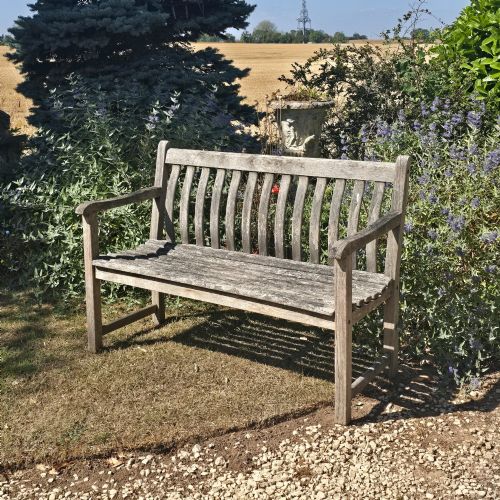
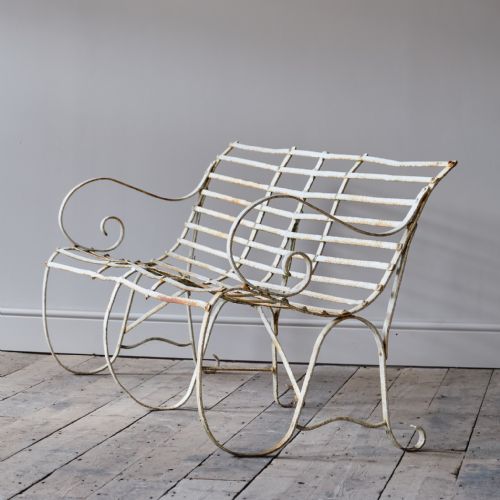
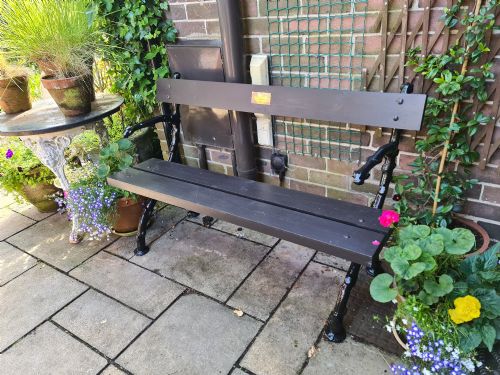
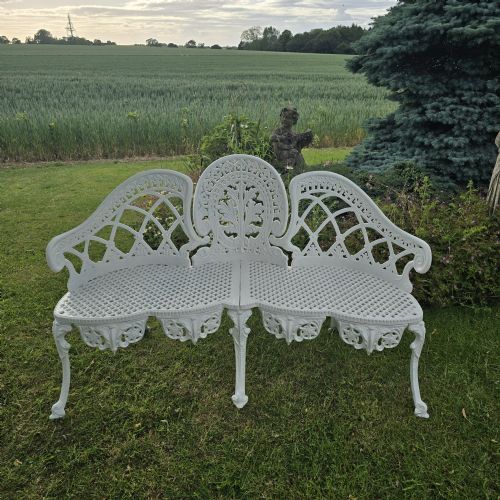
The selections available on this page lean heavily toward garden benches built from teak wood or heavy metals like wrought iron and cast iron. One frequently encounters classic strapwork patterns alongside pieces inspired by Coalbrookdale designs.
Beyond standard wooden and iron benches, buyers will find folding iron garden chairs and decorative sets originating from French and English traditions. Each object provides a functional resting spot shaped by historical garden aesthetics.
How they were made
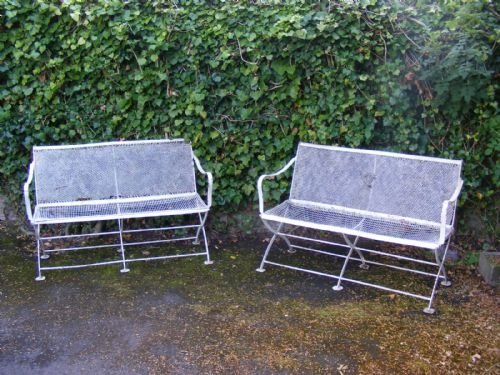
Makers shaped these lawn seat forms using cast iron, wrought iron, and cast metal, frequently employing strapwork techniques to create supportive and decorative frameworks. Iron components were often painted or left to develop natural patinas over decades of outdoor exposure.
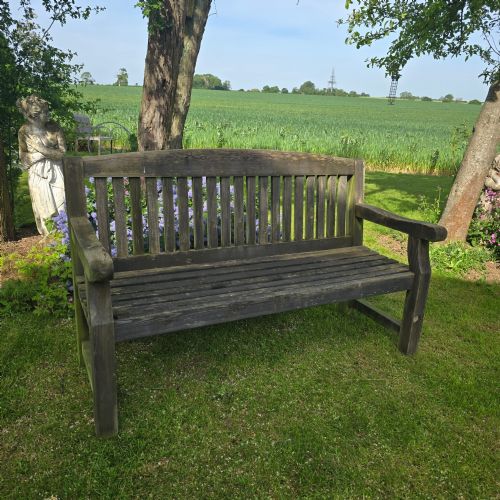
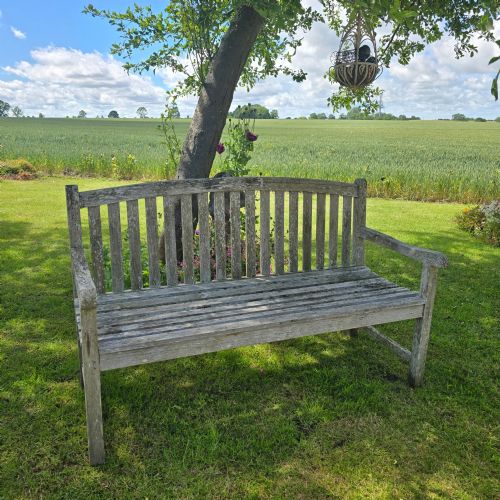
Teak and teak wood served as the primary timber choices, selected for their natural resistance to moisture and decay in open gardens. Carpenters joined these dense woods to form durable slats and frames designed to silver gracefully under good weather.
Lawn Seat Retail Price Guide 2026
Typical asking prices for lawn seat among the pieces listed under this phrase on Sellingantiques today, from the lower quarter to the upper quarter. They describe what is for sale here now, not the wider market.
Listings for lawn seat span the nineteenth century through the nineteen-fifties, featuring materials from cast aluminium to teak wood.
What varies in quality
Quality in a lawn seat rests on the integrity of the original casting or the soundness of the timber. Heavier ironwork and dense, well-silvered teak indicate superior structural resilience against outdoor wear.
The finesse of the strapwork and the clarity of decorative flourishes distinguish standard utilitarian seating from finer artistic examples. Pieces bearing specific design lineages, such as Coalbrookdale patterns, often display sharper detailing in their metalwork.
The Lawn Seat Glossary
- Wrought iron
- Iron that has been heated and worked with tools rather than cast in a mould. This material yields tough, fibrous structural elements seen in strapwork benches.
- Cast iron
- Molten iron poured into a mould to form intricate shapes and rigid frames. It provides the heavy, decorative structure found in nineteenth-century garden seats.
- Strapwork
- Flat bands of metal arranged in geometric or interlaced patterns. This technique forms the supportive backrests and seats of many period iron benches.
- Teak
- A durable, oil-rich tropical timber used for outdoor furniture. It weathers to a silver-grey tone when exposed to sunlight and rain.
- Coalbrookdale
- A famous nineteenth-century foundry style known for ornate cast-iron garden furniture. Pieces in this tradition feature elaborate naturalistic or architectural motifs.
Lawn Seat: Frequently Asked Questions
How do I maintain a wooden lawn seat?
Teak wood lawn seats require very little intervention because the natural oils protect the timber from rotting outdoors. Letting the wood weather naturally results in a characteristic silver-grey patina.
Cleaning the surface gently with water removes accumulated dirt without stripping the protective grain. Avoiding harsh chemical sealants preserves the historic character of older garden timber.
Are iron lawn seats too heavy to move?
Cast iron and wrought iron garden benches possess considerable weight to keep them stable on grass and uneven ground. This heaviness prevents them from tipping easily in strong winds.
Two people are usually required to relocate larger cast-iron or metal benches safely across a garden. Folding iron chairs, however, offer a lighter and more portable alternative.
How can I tell a nineteenth-century bench from a later revival?
Nineteenth-century metal seats often display the deeper casting marks and heavier hand-hammered joints characteristic of period production methods. Examining the fasteners and the consistency of the iron provides clues to the manufacturing era.
Revival pieces from later decades frequently replicate these earlier forms using slightly different metallurgical compositions or standardised machine production. Comparing the weight and detail crispness against known period examples helps clarify the date.
Can these garden seats stay outside all winter?
Both teak wood and heavy iron garden seats are built to withstand seasonal moisture, frost, and outdoor exposure. Wrought iron and cast iron handle freezing temperatures well, provided any painted surfaces remain reasonably intact.
Lighter folding iron chairs benefit from being stored under cover during severe winter storms to prevent unnecessary corrosion. Wooden benches simply stand up to the elements year-round.