




Laundry
When you search for laundry antique, you uncover utilitarian objects from past centuries shaped by the honest work of washing and pressing.
Laundry
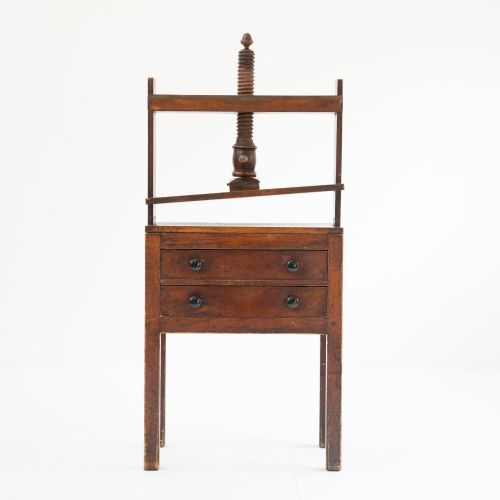
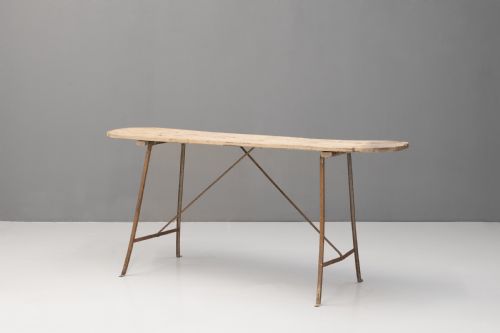
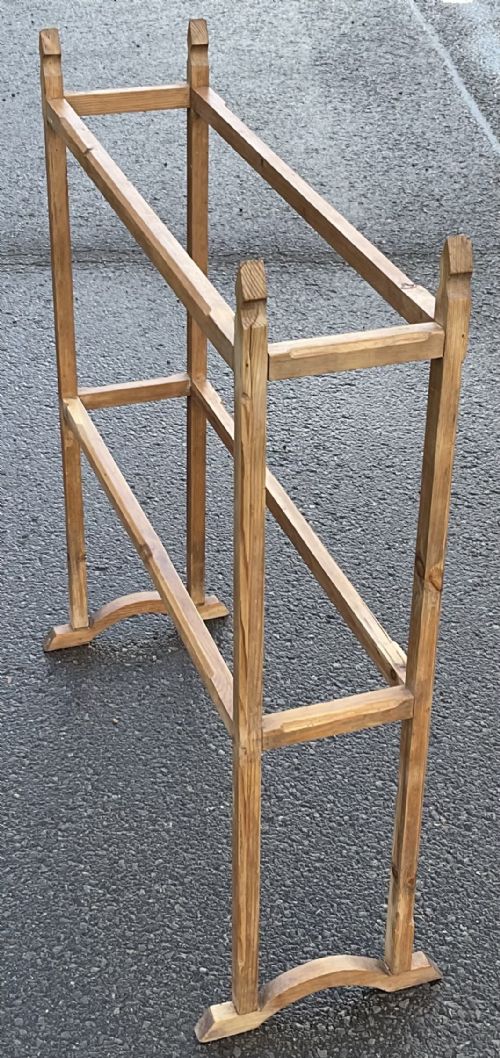
A laundry antique encompasses domestic and industrial equipment designed for washing, drying, and pressing textiles across past centuries. Pieces range from large furniture forms such as linen presses and wash tables to smaller implements including goffering irons and mangles.
The objects present on this page originate from periods spanning the seventeenth century through to the early twentieth century. Common stylistic expressions include rustic farmhouse, Scandinavian country, and Edwardian industrial designs.
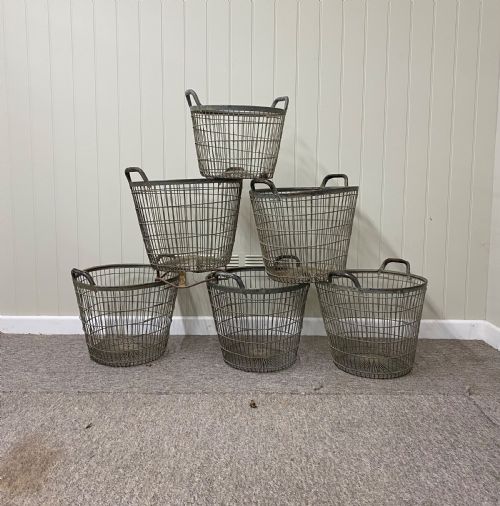
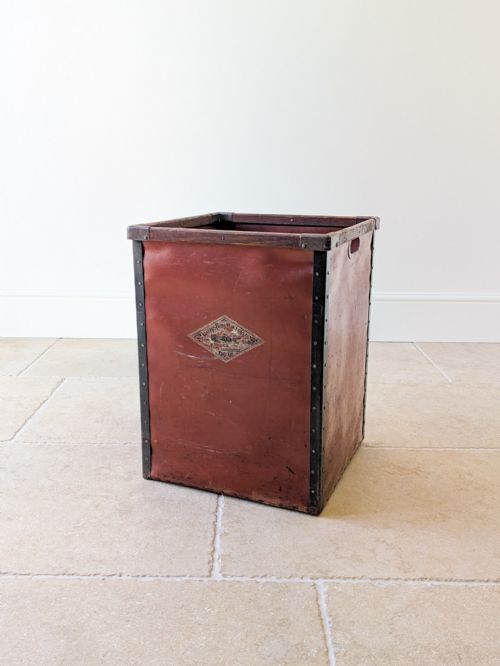
Buyers frequently encounter robust storage baskets, wicker mill bins, and cast-iron laundry equipment intended for heavy household labour. These forms reflect the physical realities of domestic management before modern mechanisation took hold.
Materials and construction
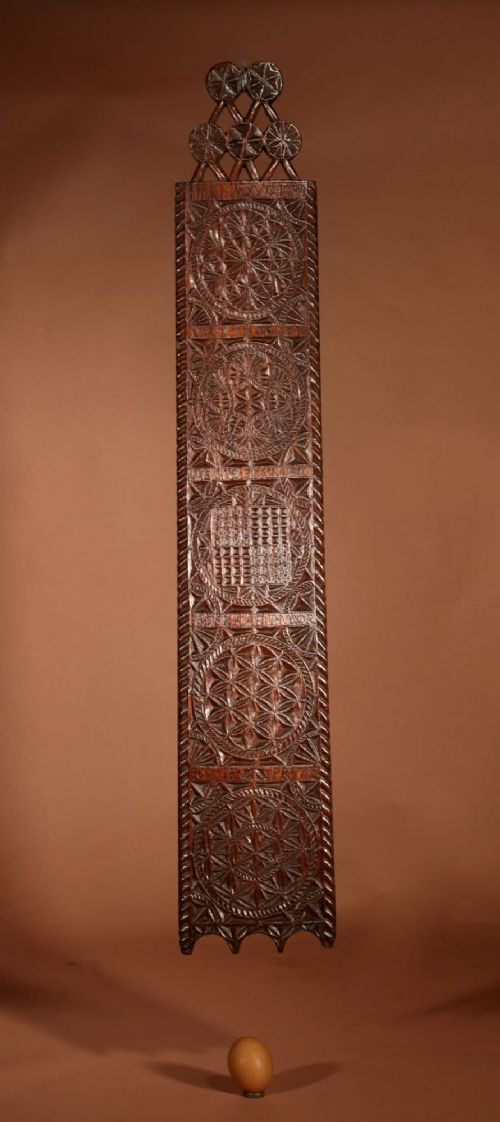
Makers utilised solid timbers such as oak, pine, and mahogany to construct sturdy furniture and chip-carved mangle boards. Joinery techniques relied on traditional framing methods to withstand the heavy loads associated with damp linen and wet textiles.
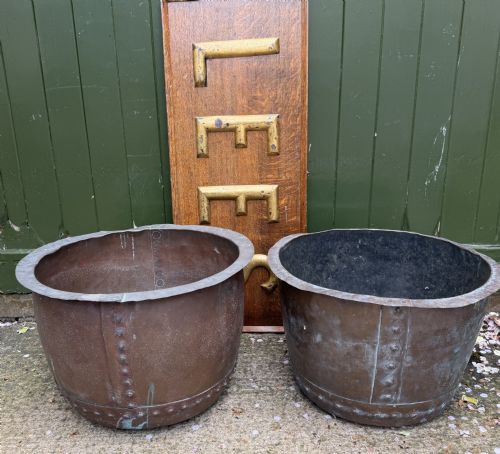
Metals including cast iron, wrought iron, brass, and copper provided the necessary strength for mechanical mangles, goffering irons, and washing coppers. Willow, cane, and woven plant fibres formed flexible, durable storage baskets designed for carrying heavy loads of laundry.
Laundry Retail Price Guide 2026
Typical asking prices for laundry among the pieces listed under this phrase on Sellingantiques today, from the lower quarter to the upper quarter. They describe what is for sale here now, not the wider market.
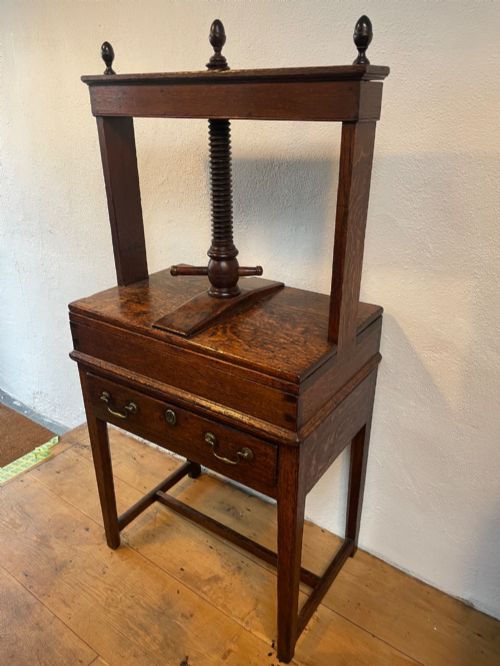
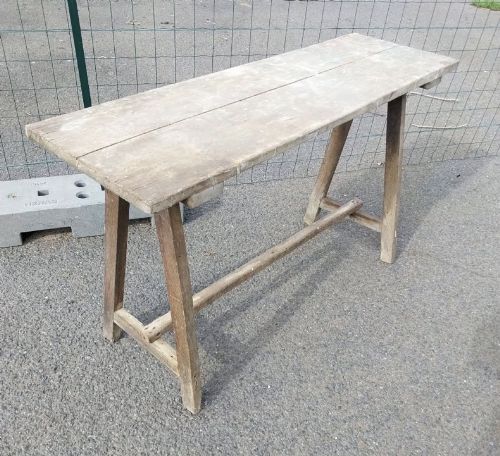
Listings feature eighteenth-century oak linen presses alongside nineteenth-century French laundry tables and twentieth-century wicker mill bins.
Assessing quality
Quality in these pieces rests upon the integrity of the original construction and the degree of honest wear accumulated through service. Hand-carved details on wooden mangle boards or maker marks on cast-iron equipment elevate the historical interest of an object.
The survival of original surfaces, such as weathered copper patina, verdigris, and untouched timber finishes, determines the visual distinction of each piece. Later alterations or replacement hardware diminish the authentic character expected from period laundry equipment.
Johnston’s of London·Burgess Brothers of Weaverham
The Laundry Glossary
- Mangle board
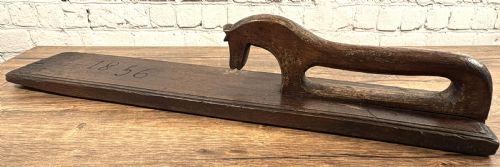
- A carved wooden board used in Scandinavia and the Netherlands to smooth linen by wrapping fabric around a roller. These boards often feature intricate chip carving, initials, and dates.
- Goffering iron
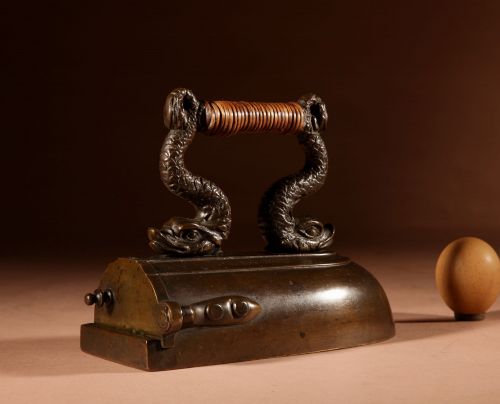
- A heated metal tool used in past centuries to press frills, ruffs, and lace caps. The device typically consists of a metal cylinder heated by a red-hot iron slug inserted inside.
- Linen press
- A large wooden piece of furniture featuring sliding trays or shelves enclosed by doors, originally designed for storing freshly pressed household linens flat.
- Dolly tub
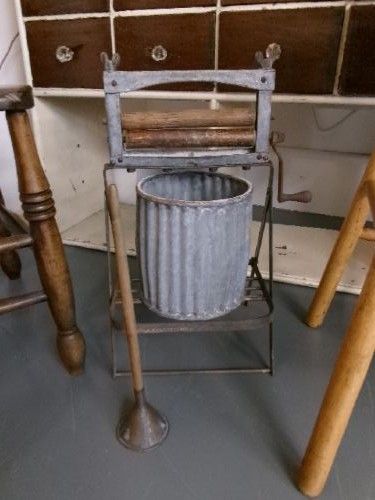
- A galvanised metal or zinc vessel used for soaking and washing clothes by hand with a stirring implement known as a dolly.
- Mill bin
- A deep industrial container woven from willow or wicker, repurposed from textile mills for heavy storage duties.
Laundry: Frequently Asked Questions
What is a mangle board used for?
A mangle board functioned alongside a wooden roller to press and smooth woven linen without the aid of electricity. Users wrapped cloth around a cylinder and rolled the carved board back and forth across the fabric.
These boards served as domestic utilities and frequently carried sentimental value, often marked with dates, initials, and decorative carvings given as betrothal gifts.
How do you use a goffering iron?
A goffering iron heated metal cylinders to crisp the pleats and ruffs of historical collars and caps. A heated iron slug placed inside the metal tube brought the exterior surface to the correct temperature.
Operators pressed the damp lace or fabric against the hot cylinder to set the fashionable curved folds of past centuries.
What are vintage dolly tubs made from?
Vintage dolly tubs consist primarily of galvanised iron or zinc, selected for their resistance to rust in wet environments. These sturdy vessels held water and washing solutions during manual laundering before modern plumbing.
Today, collectors frequently repurpose these weather-resistant metal containers as planters or rustic storage bins for logs and household items.