



Late Victorian Writing Cabinet
A late victorian writing cabinet brings functional elegance to a room, offering clever storage for correspondence crafted during an era of superb cabinet-making.
Late Victorian Writing Cabinet
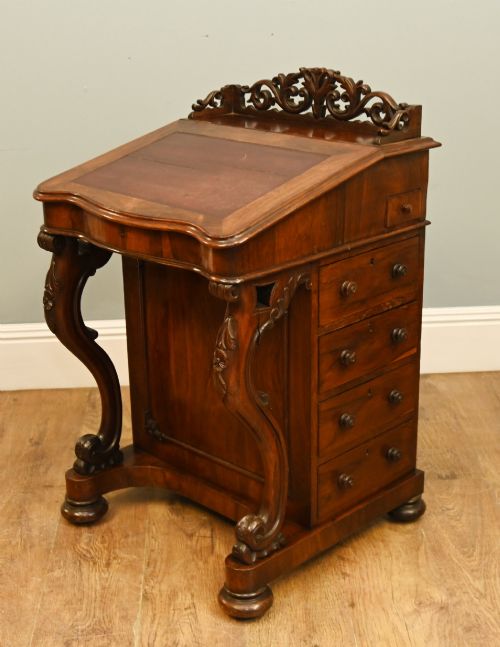
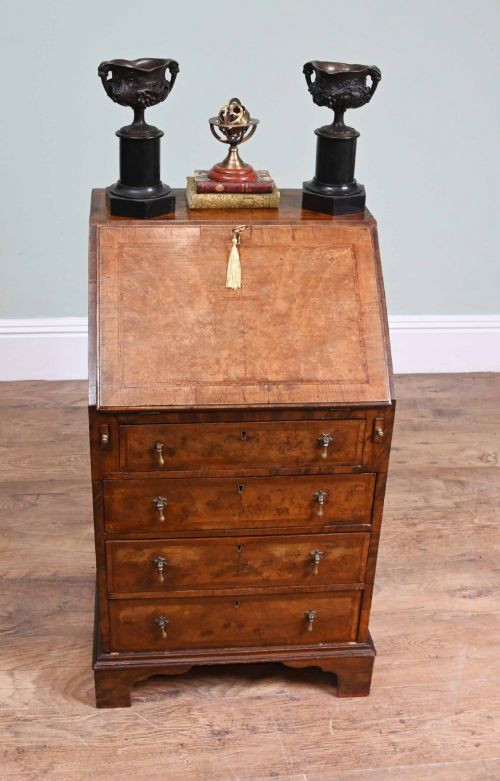
When you search for a late victorian writing cabinet, you encounter a specialised form of antique furniture designed for correspondence and organisation. These pieces combine desk space with enclosed shelving or small drawers, reflecting the domestic habits of the late nineteenth century.
The selections on this page span several decades, originating primarily from the late nineteenth century through to around nineteen hundred. They appear in diverse styles ranging from standard Victorian interpretations to Arts and Crafts, French Rococo Revival, and Victorian Chinoiserie.
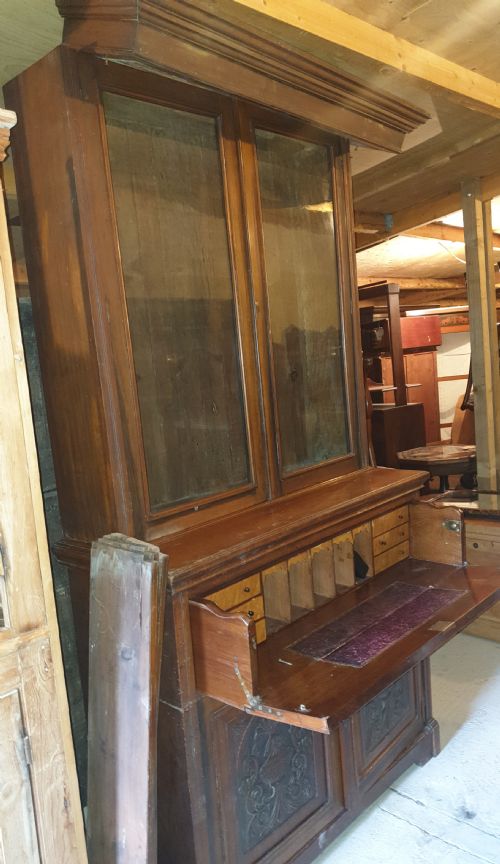
Forms vary significantly among the items listed, encompassing bureau bookcases, secretaire abattants, stationery cabinets, and smaller tabletop writing desks. Oak, walnut, and mahogany dominate the structural woods, frequently accompanied by specialised veneers and fitted interiors.
How they were made
Cabinet-makers relied on sturdy timbers such as oak, walnut, and mahogany for the primary carcass construction, often applying decorative veneers like amboyna or olivewood to the exterior surfaces. These woods were selected for grain pattern and durability, then polished to a deep lustre.
Metal components played a crucial functional and decorative role, with brass handles, hinges, and lock escutplements securing the drop-fronts and cabinet doors. Leather inserts frequently lined the writing surfaces, providing a smooth texture for penmanship.
Intricate ornamentation involved carving, inlay work, and hand-painted lacquer techniques seen in Chinoiserie and Arts and Crafts examples. Structural joinery ensured that drop-front desks and internal pigeonholes withstood daily use.
Late Victorian Writing Cabinet Retail Price Guide 2026
Typical asking prices for late victorian writing cabinet among the pieces listed under this phrase on Sellingantiques today, from the lower quarter to the upper quarter. They describe what is for sale here now, not the wider market.
Listings feature structural timbers including oak, walnut, mahogany, and exotic veneers like amboyna and olivewood.
What varies in quality
The distinction between standard pieces and exceptional examples often lies in the choice of timber and the complexity of the internal configuration. Elaborate amboyna veneers, intricate marquetry inlay, and superior carving distinguish the finest cabinets from simpler oak or mahogany variations.
Hardware integrity and the precision of the joinery also dictate value. Original brass fittings, smooth-operating drop-front mechanisms, and intact leather writing surfaces indicate a higher grade of original craftsmanship.
Liberty of London·Shoolbred
The Late Victorian Writing Cabinet Glossary
- Secretaire abattant
- A tall cabinet featuring a hinged drop-front writing surface that conceals a fitted interior of small drawers and pigeonholes when closed.
- Bureau bookcase
- A dual-purpose piece combining a lower desk section with an upper bookcase enclosed by glass or wooden doors.
- Amboyna veneer
- A highly prized decorative wood overlay derived from the burl of the amboyna tree, known for its rich golden-brown colouring and complex swirling grain.
- Chinoiserie
- A decorative style reflecting European interpretations of Chinese artistic traditions, frequently utilising lacquer and hand-painted motifs on bamboo or wooden frames.
- Escritoire
- A small writing cabinet or desk, often fitted with multiple small compartments for stationery and letters.
Late Victorian Writing Cabinet: Frequently Asked Questions
How do I use a writing cabinet today?
These cabinets function effectively in modern homes as compact desks or decorative storage units for stationery, laptops, and paperwork. The enclosed compartments keep clutter hidden while providing a designated workspace that occupies minimal floor area.
Placing one in a study, living room, or hallway introduces period character alongside practical surface area. The drop-front designs allow you to conceal ongoing projects simply by closing the panel.
How can I tell the style of a cabinet?
Identifying the style involves examining the decorative motifs, wood selection, and structural lines of the piece. Arts and Crafts examples display simpler construction with honest material expression, whereas Rococo Revival pieces feature ornate carving and curved contours.
Chinoiserie cabinets are distinguished by lacquerwork and oriental motifs, often utilising bamboo framing. Comparing these details against the recorded design categories helps clarify the specific aesthetic movement of the item.
Are these cabinets made of solid wood?
Many cabinets combine solid structural timbers with decorative veneers applied to visible exterior surfaces. Woods like oak and mahogany frequently form the main carcass, while expensive timbers such as amboyna or walnut appear as decorative veneers.
This technique allowed nineteenth-century cabinet-makers to display striking grain patterns without wasting scarce materials. Examining the edges and interior surfaces reveals how the timber construction was achieved.