




Late Victorian Side Cabinet
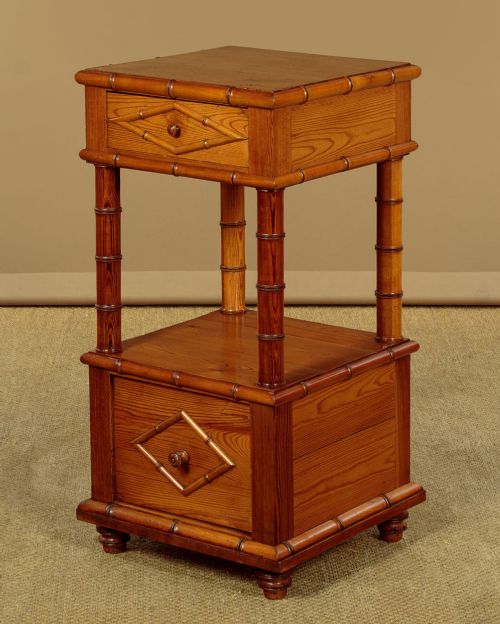
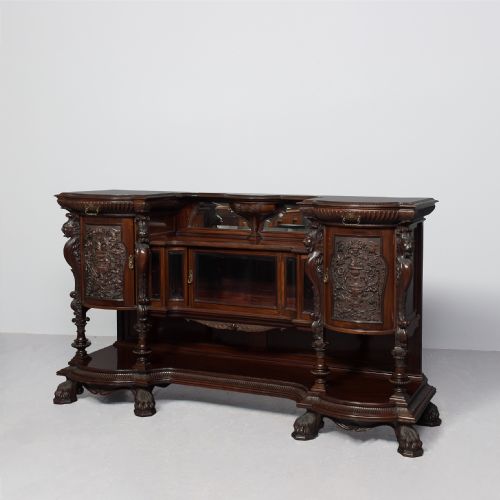
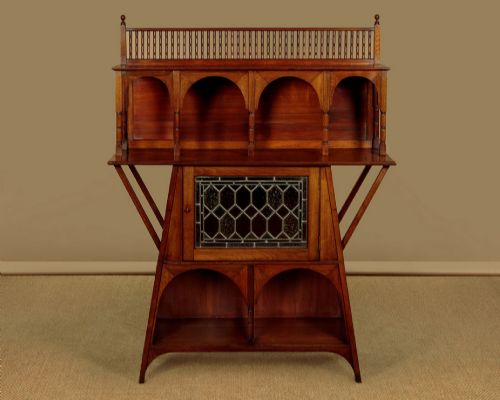
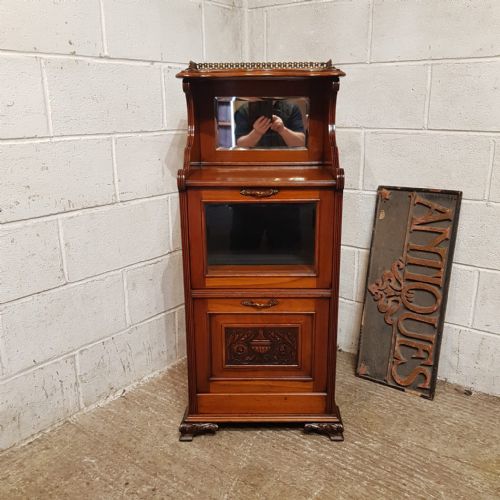
A late victorian side cabinet offers practical storage and refined display, bringing period character and timber grain to a room.
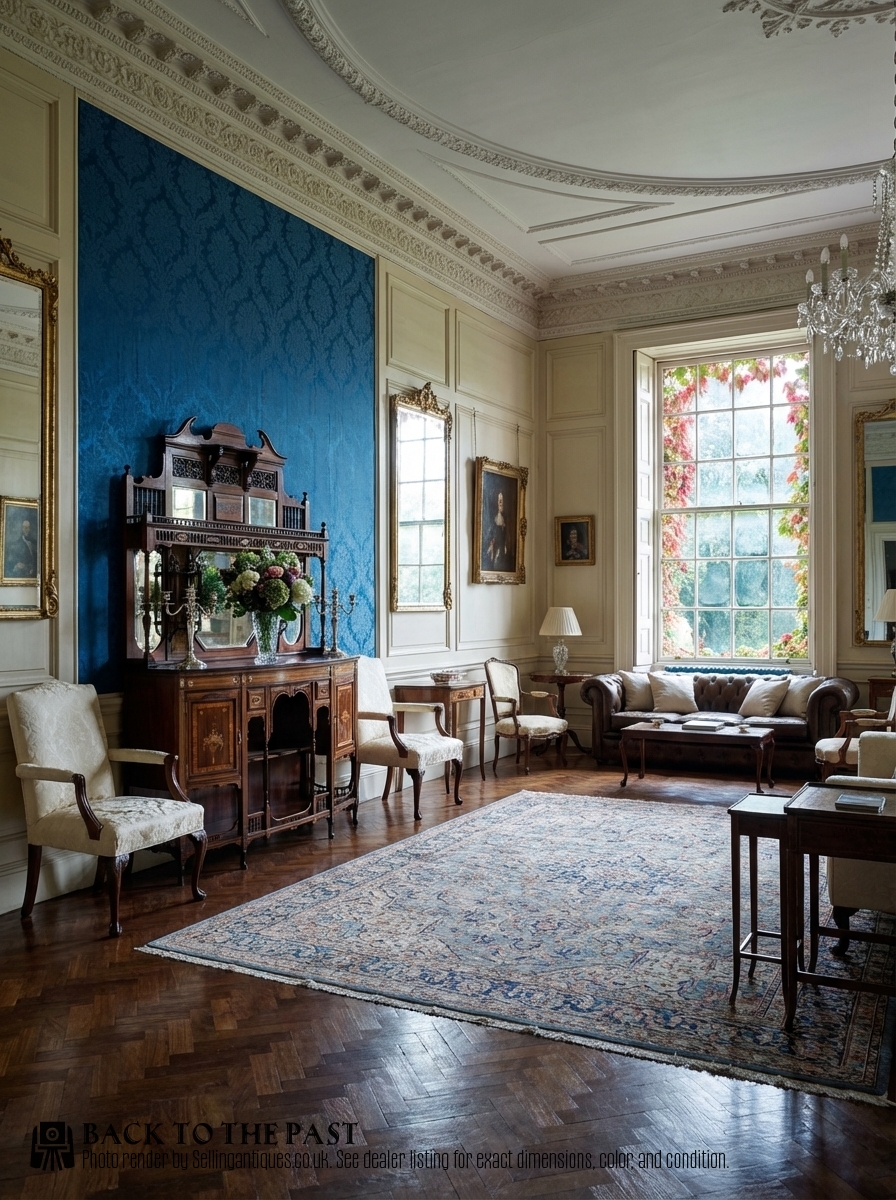
Late Victorian Side Cabinet
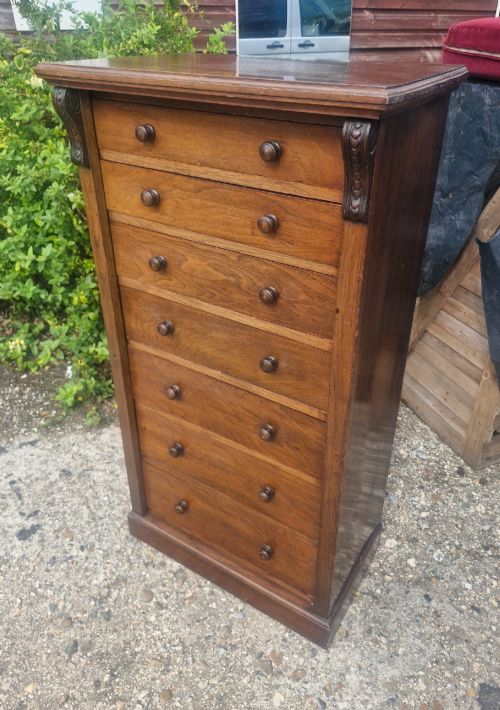
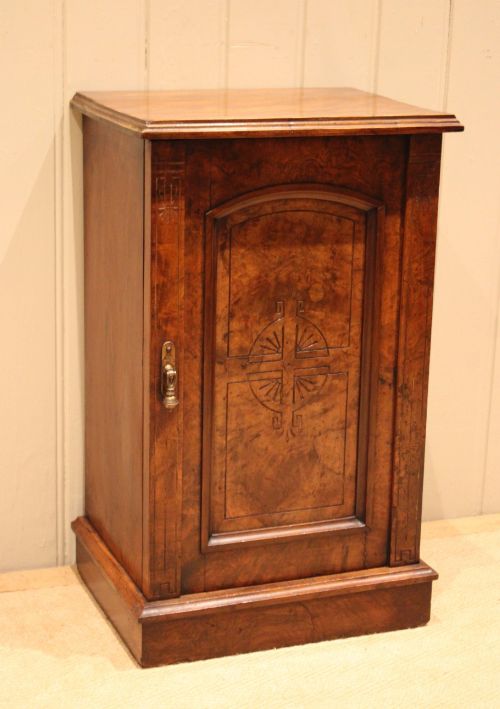
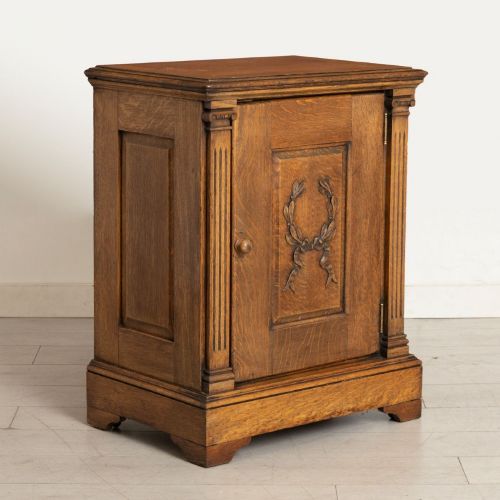
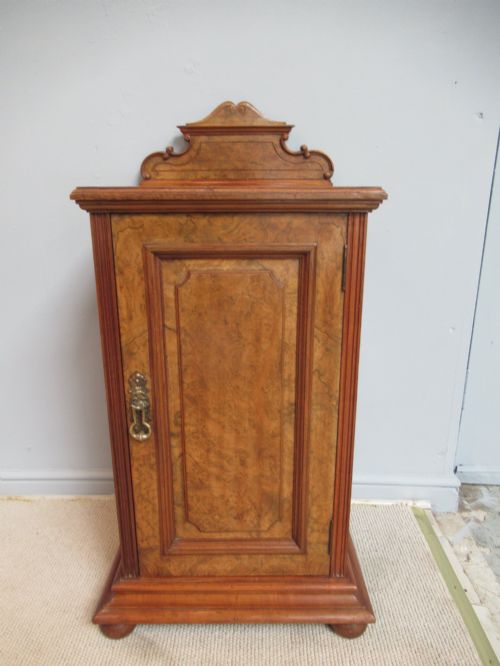
A late victorian side cabinet encompasses a range of freestanding cupboards and display pieces designed for living spaces and bedrooms during the nineteenth century and around nineteen hundred. You will encounter pieces spanning utilitarian bedside cabinets in walnut and oak alongside grander display furniture in rosewood and mahogany.
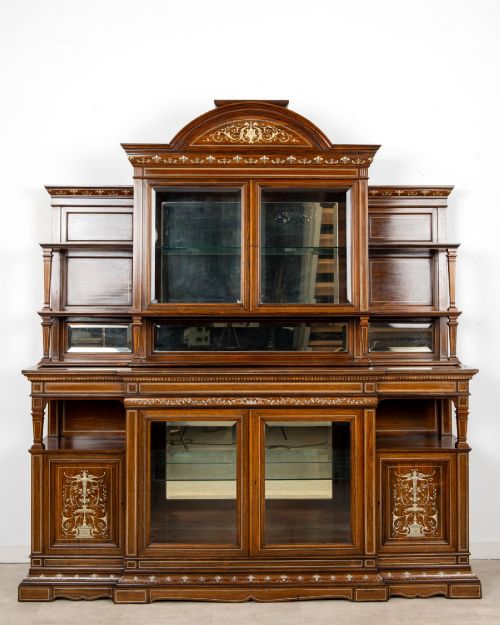
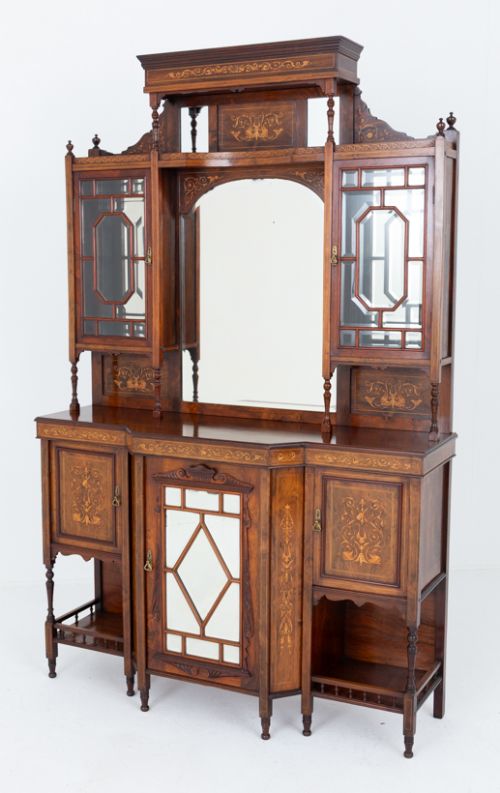
The styles recorded on this page cross traditional Victorian designs with Aesthetic Movement and Sheraton Revival aesthetics. Pieces frequently incorporate mirror backs, glazed doors, and drop centre arrangements to balance display utility with enclosed storage.
Makers and retailers of the period, including firms such as Collinson and Lock, James Plunckett, Shoolbred, and Trapnell and Gane, produced these cabinets in various timbers. Rosewood, mahogany, walnut, satinwood, and ash form the primary bodies of these pieces.
How They Were Made
Cabinet makers utilised solid timbers alongside veneers, applying marquetry, satinwood inlay, and painted panels to enrich surfaces. Carved details appear on oak frames, while glass and mirror plates are integrated into doors and back panels.
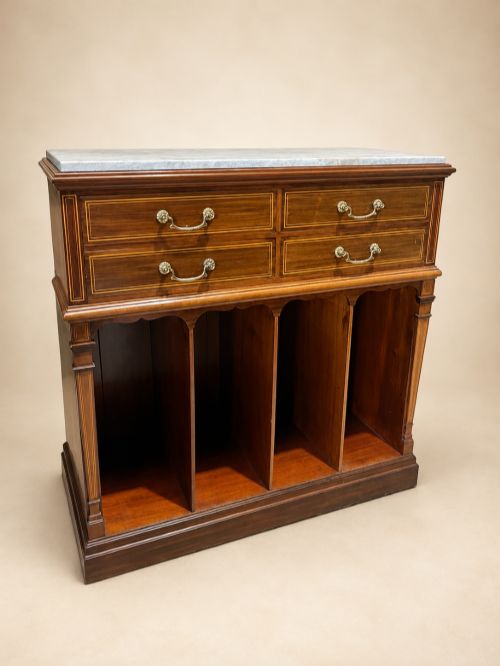
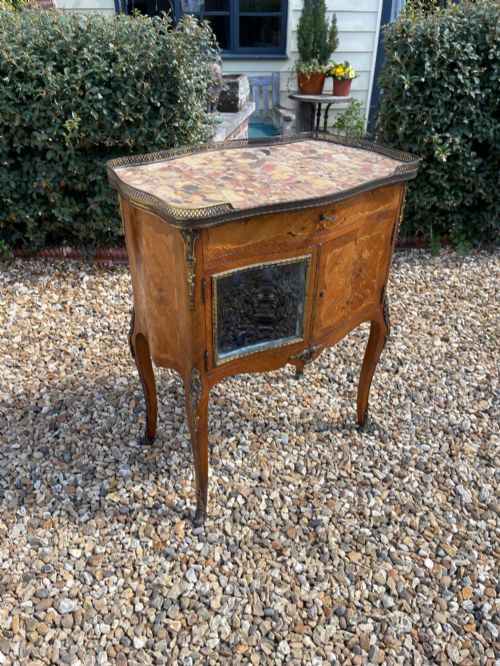
Construction techniques include timber carcases fitted with shelves, drawers, and lockable doors. Marble tops and ebony accents also appear on specific forms within the inventory.
Late Victorian Side Cabinet Retail Price Guide 2026
Typical asking prices for late victorian side cabinet among the pieces listed under this phrase on Sellingantiques today, from the lower quarter to the upper quarter. They describe what is for sale here now, not the wider market.
Listings include rosewood, mahogany, walnut, satinwood, oak, and ash, combined with glass, mirror plates, and marble.
What Varies in Quality
Quality rests upon the choice of timber, the precision of inlay and marquetry work, and the integration of decorative elements such as painted panels or carved Greenman motifs. Selected pieces display attribution to noted makers and art furniture workshops.
Construction integrity, from the matching of wood grain to the execution of glazed display sections and mirror backs, dictates the distinction between standard utility cupboards and bespoke artistic cabinetwork.
Collinson and Lock·James Plunckett·Shoolbred·Trapnell and Gane
The Late Victorian Side Cabinet Glossary
- Marquetry
- Inlaid patterns formed by fitting together small pieces of wood veneer onto a carcase. It creates pictorial or geometric surface designs.
- Demi-Lune
- A half-moon shape used for the footprint of certain tables and cabinets. This curved form accommodates tight spaces.
- Drop Centre
- A furniture configuration where the middle section sits lower than the flanking wings or shelving tiers. It provides visual variation in mirror backs and sideboards.
- Credenza
- A sideboard or cabinet used for serving and display, often featuring cupboards and glass doors. The term spans several continental and British decorative styles.
- Aesthetic Movement
- A late nineteenth century design style emphasising visual and material beauty over narrative content. It drew inspiration from Japanese art and simplicity.
Late Victorian Side Cabinet: Frequently Asked Questions
What is a late victorian side cabinet used for?
These cabinets served multiple domestic functions, from bedside storage to displaying porcelain and glassware in a salon or dining room.
Enclosed cupboards held personal items or tableware, while glazed sections and mirror backs showcased decorative objects.
How do I identify a side cabinet style?
Look to the decorative vocabulary and timber choice to determine whether a piece leans toward Sheraton Revival inlay or Aesthetic Movement simplicity.
Details like carved oak Greenman motifs or painted satinwood panels point to specific aesthetic preferences within the period.
Where should I place a side cabinet at home?
Bedside variants fit smaller domestic sleeping quarters, while rosewood and mahogany display cabinets suit living spaces and reception rooms.
Consider the depth of the piece and whether it incorporates a mirror back when selecting a wall placement.
Are these cabinets made of solid wood?
Makers employed a combination of solid timbers like oak, ash, and mahogany alongside veneered carcases in walnut and rosewood.
Inlay work and marquetry were applied to these surfaces using specialised cabinet-making techniques of the era.