

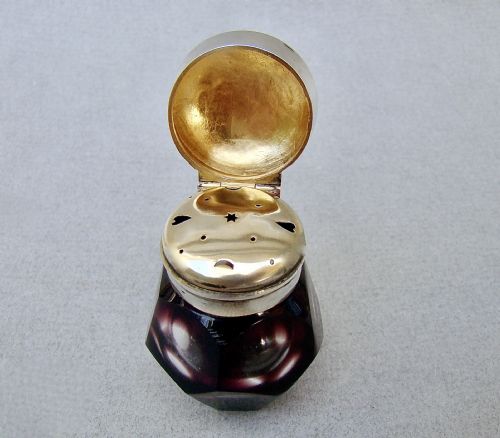
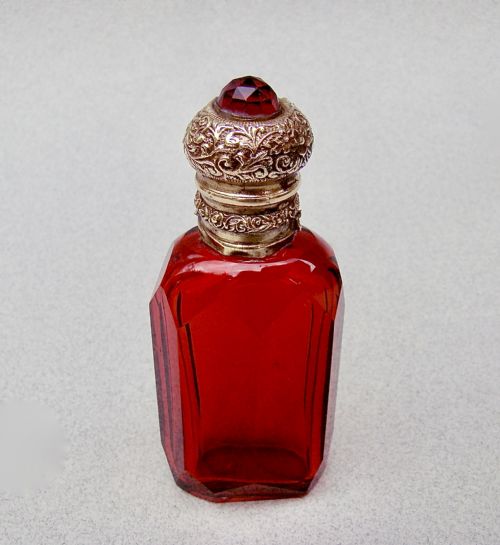


Late Victorian Scent Flask
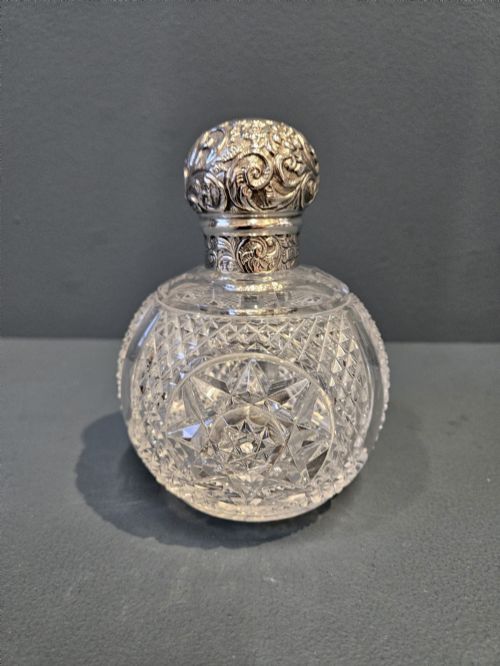
These late victorian scent flask pieces are portable Victorian glass and silver containers made for carrying perfume or salts.
Late Victorian Scent Flask
A late victorian scent flask is a portable pocket or chatelaine container designed for carrying perfume or smelling salts during the nineteenth century. These vessels combine functional glass bodies with decorative metal mounts, reflecting the social habits of the period between eighteen eighty and eighteen ninety-nine.
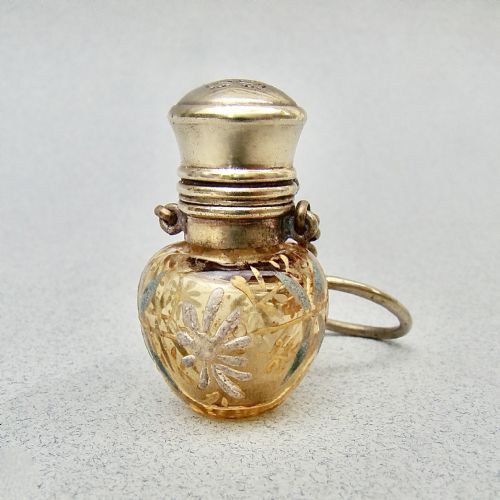
The pieces listed on this page appear in forms such as scent bottles, perfume bottles, and vinaigrettes, alongside related glass vessels. Visitors will encounter various coloured glass bodies paired with sterling silver or gilded metal hardware.
Origins span English and French workshops of the late Victorian era, with notable examples showing specific regional glass-making traditions. The common thread is the combination of moulded or cut glass with precious metal caps and collars.
Materials and construction
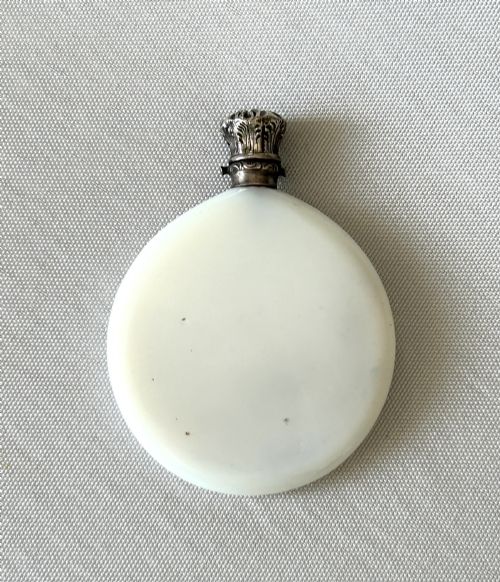
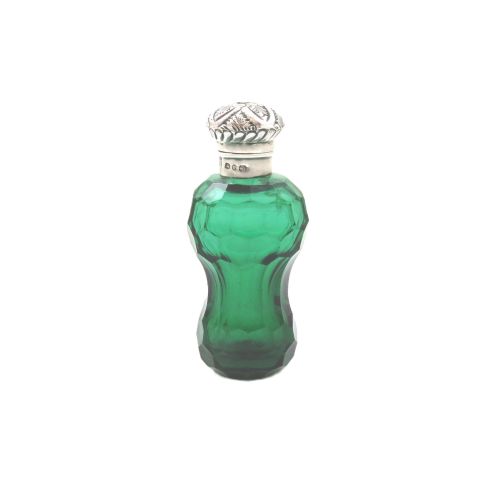
Glass bodies form the foundation of these vessels, utilising clear cut glass alongside coloured varieties such as opaline, amethyst, ruby, and green glass. Some pieces incorporate specialist techniques like aventurine inclusions within black glass or intricate enamel decoration.
Sterling silver and ormolu provide the structural mounts, hinged caps, and collars that seal the bottles securely. Silversmiths often embellished these metal components with chased or embossed ornamentation, including cherub or angel motifs.
Late Victorian Scent Flask Retail Price Guide 2026
Typical asking prices for late victorian scent flask among the pieces listed under this phrase on Sellingantiques today, from the lower quarter to the upper quarter. They describe what is for sale here now, not the wider market.
Victorian ladies relied on these tiny silver-capped flasks to survive stuffy drawing rooms and sudden vapours with elegance.
Assessing quality in late nineteenth-century bottles
Quality rests in the weight and clarity of the glass, whether deeply cut or uniformly coloured, and the substance of the accompanying silver mounts. Heavier gauge metalwork and crisper chasing on the caps distinguish finer workshop output.
The integration between the glass body and the metal collar reveals the maker's precision, ensuring a secure closure for volatile perfumes and salts. Finer examples display harmonious proportions between the decorative metalwork and the coloured glass.
Moser
The Late Victorian Scent Flask Glossary
- Sterling silver
- A silver alloy containing ninety-two point five percent pure silver by mass, standard for quality British wares of the Victorian period. It provides durability for hinged bottle caps and decorative mounts.
- Opaline glass
- An opaque or translucent pale glass popular in nineteenth-century decorative objects. It provides a milky pastel ground often paired with silver mounts.
- Chatelaine
- A decorative belt hook worn with suspended chains carrying everyday accessories such as scent bottles. This fashion kept personal items close at hand.
- Vinaigrette
- A small ornamental box or bottle containing a perforated grille saturated with aromatic vinegar. These fulfilled a similar purpose to scent bottles during the Victorian era.
- Ormolu
- A gilded metal technique applied to bronze or other base metals to imitate solid gold mounts. It adds warmth to nineteenth-century French glass pieces.
Late Victorian Scent Flask: Frequently Asked Questions
What is a late victorian scent flask?
A late victorian scent flask is a small personal container used to hold perfume or smelling salts during the late nineteenth century. These objects combined decorative glass bodies with secure metal caps for daily pocket or handbag use.
Craftsmen produced them in various glass colours and silver mounts, often attaching them to chatelaines for convenient carriage during social outings.
How were these bottles used?
Owners filled these vessels with liquid perfume or vinegar-soaked sponges to combat unpleasant odours in public spaces. The secure hinged lids prevented leakage while allowing quick access to the fragrance.
They served as both practical accessories and fashionable items that displayed the owner's taste through precious metals and coloured glass.
What materials are common?
Sterling silver and various coloured glass bodies dominate these pieces, including opaline, amethyst, ruby, and green glass. Metal mounts often feature embossed decorations such as cherubs or floral motifs.
French pieces frequently incorporate gilded metal or ormolu alongside specialised glass types like aventurine inclusions.
How do I date a scent bottle?
Dating relies on hallmarks stamped onto the sterling silver mounts, which indicate the assay office and year of production within the Victorian era. Stylistic markers such as cut glass patterns and French or English manufacturing traits also provide chronological clues.
Reference to specific decades between eighteen eighty and eighteen ninety-nine helps place these items within the late Victorian period.