

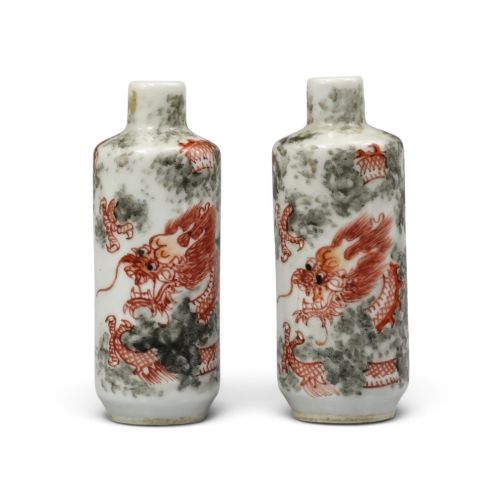


19th Century Snuff Bottle
A 19th century snuff bottle is a diminutive vessel of jade, porcelain, or glass designed to hold powdered tobacco, offering tactile intimacy and miniature artistry.
19th Century Snuff Bottle
A 19th century snuff bottle represents a portable vessel created during the Qing dynasty, typically designed to contain powdered tobacco for personal use. These miniature containers reflect the refined tastes of the period, executed in materials ranging from carved minerals to painted ceramics.
The version most commonly met on this page is the Chinese porcelain or jade snuff bottle, often associated with the Guangxu or Daoguang periods. Alongside traditional forms, occasional European or alternative pieces appear, including Venetian glass and horn items.
How they were made
Makers utilised carved hardstones such as spinach jade, nephrite jade, and rock crystal, shaping dense minerals through abrasive drilling and wheel-cutting. Openwork techniques, such as the Linglong style, required precise excision to create intricate exterior layers.
Ceramic examples relied on porcelain bodies painted with iron-red or famille rose enamels before high-temperature firing. Glass vessels incorporated internal inclusions like aventurine, demonstrating diverse pyrotechnic and sculptural competencies across workshops.
19th Century Snuff Bottle Retail Price Guide 2026
Typical asking prices for 19th century snuff bottle among the pieces listed under this phrase on Sellingantiques today, from the lower quarter to the upper quarter. They describe what is for sale here now, not the wider market.
Certain bottles depict erotic spring palace scenes, concealing intimate artwork behind respectable exteriors.
What varies in quality
The distinction between tiers rests upon the discipline of the carving and the precision of the enamel painting. Master-carved rock crystal and delicately rendered figural scenes display a sharpness of line and depth of relief that elevate the object.
Material selection dictates foundational value, with unblemished nephrite jade and well-matched pairs achieving greater cohesion. Secondary elements, such as the integration of mother-of-pearl or precise glass inclusions, separate standard production from superior cabinet pieces.
The 19th Century Snuff Bottle Glossary
- Famille rose
- A palette of opaque enamel colours introduced in the Qing dynasty, dominated by pink or rose hues derived from colloidal gold. This technique allowed for nuanced shading on porcelain snuff bottles.
- Nephrite jade
- A dense, tough amphibole mineral utilised for carving solid vessels. Its fibrous crystal structure permits intricate relief work without fracturing.
- Aventurine
- A form of glass containing shimmering metallic inclusions, often copper or pyrites. It creates a spangled optical effect within dark glass bodies.
- Iron-red
- A reddish-orange iron oxide pigment used for ceramic decoration. It was typically applied in underglaze or overglaze brushwork on porcelain surfaces.
19th Century Snuff Bottle: Frequently Asked Questions
What is a 19th century snuff bottle?
A 19th century snuff bottle is a small, portable container made to hold powdered tobacco during the Qing dynasty and Victorian eras. These vessels combined practical storage with miniature artistic expression.
Craftsmen produced them in materials like porcelain, jade, rock crystal, and glass, often decorating them with figural scenes or carved openwork.
How were snuff bottles used?
Users carried these bottles in pockets or pouches as personal accessories and items of status. The finely sealed stoppers kept the tobacco dry and fresh for consumption.
Opening a bottle and sharing the contents formed part of social etiquette and hospitality customs during the period.
How do I display a snuff bottle?
These miniature pieces suit small display cabinets or tabletops where their fine details can be appreciated at close range. Proper lighting helps reveal the translucency of jade and rock crystal.
Handling them requires care, particularly with delicate openwork or painted porcelain surfaces.
How do I date a snuff bottle?
Dating relies on stylistic markers, reign marks, and material characteristics associated with specific periods like the Guangxu or Daoguang eras. Examination of the foot, mouth, and interior hollowing provides further clues.
Comparing the workmanship to documented examples helps establish the likely decade of production.