



Late Victorian Porcelain Ornaments
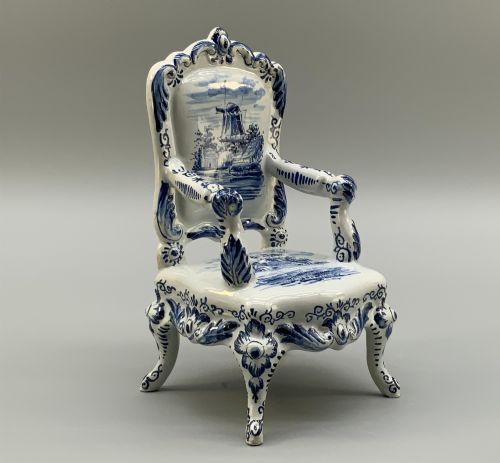
Late victorian porcelain ornaments bring cabinet-scale narrative and colour to a room, ranging from figures to miniature chairs.
Late Victorian Porcelain Ornaments
When you search for late victorian porcelain ornaments, you encounter a distinct mix of cabinet figures, vases, and miniature furniture spanning the nineteenth century. The selection includes Continental factories and British potteries producing decorative statuettes and jardinieres.
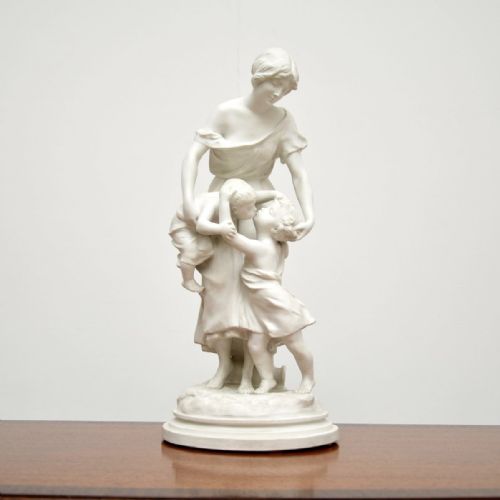
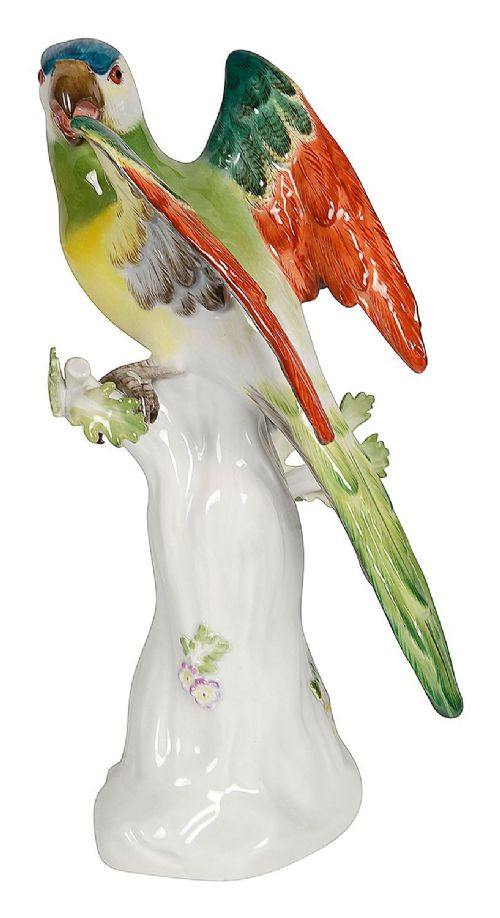
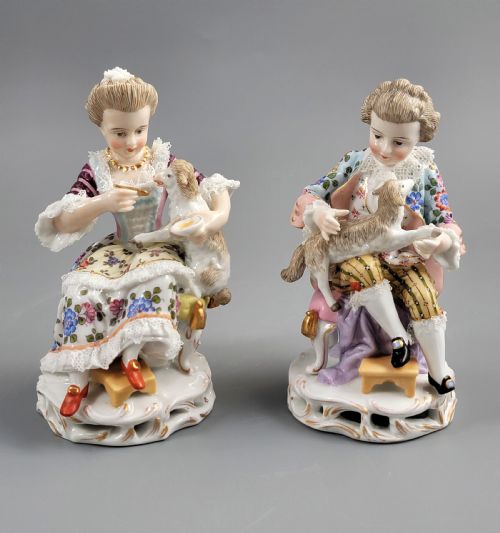
Figurines dominate the offerings, often depicting children, animals, and historical or exotic characters modelled with careful detail. Pieces such as the Meissen parrots and the Sitzendorf children with lambs show the period's fondness for figurative subjects.
British makers are well represented by Worcester works, including pieces modelled by James Hadley and decorated with techniques like pâte-sur-pâte. These items range from small cabinet figures to larger decorative jars and jardinieres.
How they were made
The physical objects combine hard-paste porcelain or bisque bodies with painted enamel glazes and applied gold leaf or gilt highlights. Potters shaped these materials into detailed figures and vessels, often utilising blush ivory grounds and blue and white Delft designs.
Specialised techniques such as pâte-sur-pâte involved building up layers of slip on a contrasting coloured body to create low-relief cameos. Gilding and hand-painted enamel finished the surfaces, requiring multiple kiln firings to set the colours and metallic accents.
Periods represented on this page span the nineteenth century, specifically noting the years 1870, 1887, 1888, 1890, 1891, 1898, and 1900.
What varies in quality
Quality rests upon the crispness of the modelling and the precision of the hand-painting across the porcelain surface. Finer examples display delicate facial expressions and cleanly rendered textures in hair, drapery, and feathers.
The application of gilt and enamel glazes distinguishes standard production from superior output, where colours remain vibrant and evenly fired. Maker attribution also influences standing, with named factories and artists like James Hadley commanding closer attention.
Meissen·Royal Worcester·Sitzendorf·Grainger's Worcester·James Hadley·Kate Locke
The Late Victorian Porcelain Ornaments Glossary
- Bisque
- Unglazed ceramic porcelain that presents a matte, marble-like surface texture. This finish highlights fine sculptural details in figures.
- Pâte-sur-pâte
- A ceramic technique where wet white slip is built up layer by layer on a darker background to form a low-relief design. It translates as paste on paste.
- Jardiniere
- An ornamental ceramic pot or stand designed to hold plants or flowers. These items sit on surfaces as decorative centrepieces.
Late Victorian Porcelain Ornaments: Frequently Asked Questions
What subjects do these porcelain ornaments usually depict?
The pieces frequently portray human figures, including children, musicians, and exotic characters, alongside animals such as parrots and lambs. Miniature furniture and floral jardinieres also appear.
These subjects reflect the Victorian appetite for narrative and decorative objects that could be displayed on mantelpieces and in glass cabinets.
How do I identify a Royal Worcester piece from this era?
Look for factory marks on the underside and characteristic finishes like blush ivory grounds or pâte-sur-pâte decoration. Named modellers such as James Hadley often point to specific Worcester origins.
The style of the painting and the delicacy of the modelling also help distinguish these British works from Continental equivalents.
How should I care for late nineteenth-century porcelain ornaments?
Keep them out of direct sunlight to prevent fading on hand-painted enamel surfaces and gilt highlights. Dust them gently with a soft brush rather than using wet cloths.
Because these items are delicate and often include fine projections like fingers or feathers, handle them infrequently and support the base.