


Late Victorian Pine Drawers
Late victorian pine drawers are utilitarian survivors of the nineteenth century, valued for their honest timber construction and practical storage capacity.
Late Victorian Pine Drawers
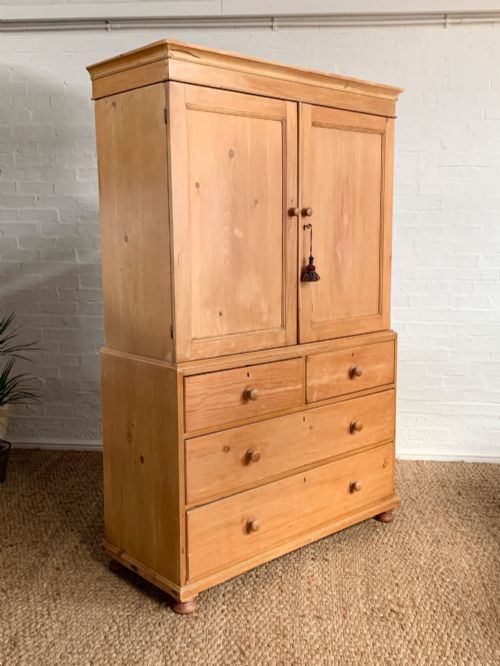
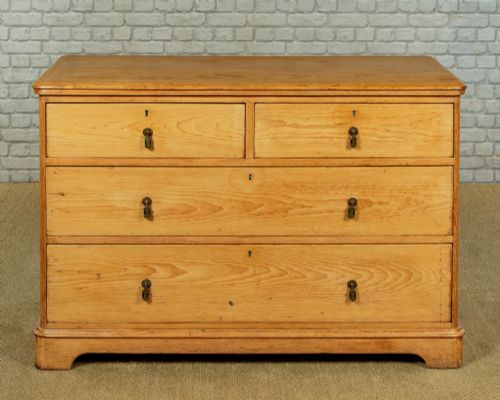
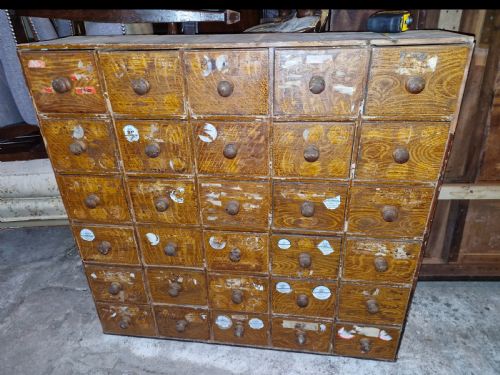
Late victorian pine drawers form a sturdy category of domestic storage originating from the later decades of the nineteenth century. These pieces encompass chest of drawers configurations, including two over three arrangements, alongside bedside cabinets, banks of drawers, and dressers. Most examples adhere to straightforward forms designed for everyday utility in bedrooms, kitchens, and farmhouse interiors.
The chests span the Victorian period with dates clustering around eighteen eighty and eighteen ninety. Buyers frequently encounter standard upright chests of four long drawers or smaller scaled variations alongside specialised items like collectors drawers and miniature units. Pitch pine variants also appear, offering a denser and more heavily grained timber than standard white pine.
Construction and materials
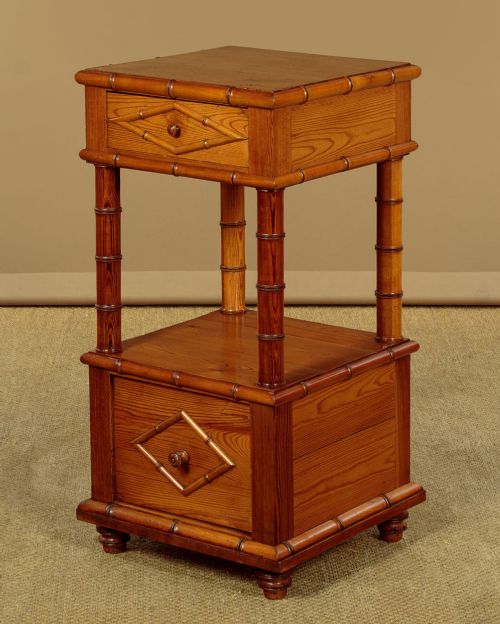
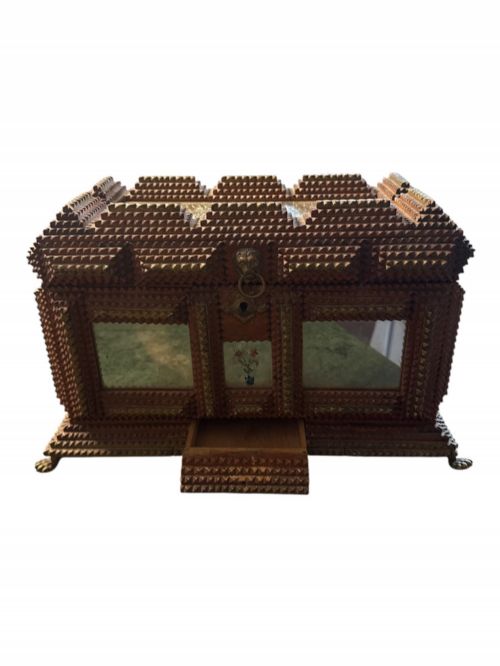
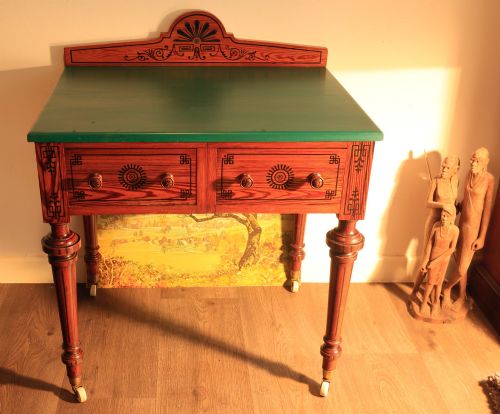
Makers built these pieces primarily from solid pine and pitch pine, occasionally incorporating brass for handles, glass for glazed doors, and iron or ebonised wood details. Surfaces appear in various finishes including stripped natural timber, traditional paint, stained coats, or decorative faux bamboo and tramp art treatments. Drawers typically rely on pegged or dovetailed joints to withstand heavy daily use.
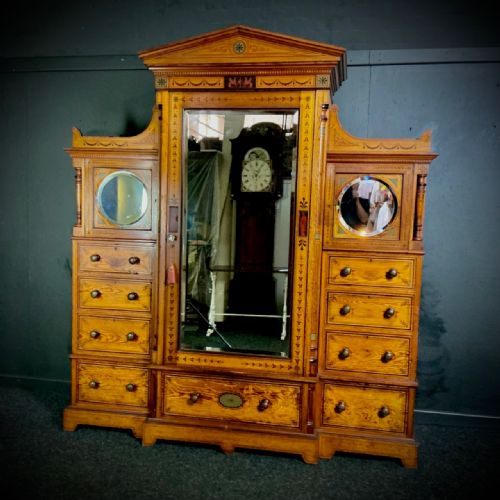
Alternative stylistic expressions within the evidence include Aesthetic Period designs and rustic farmhouse or folk art influences. Cabinetmakers utilised local softwoods and applied surface treatments ranging from simple painted layers to more intricate decorative accents depending on the intended domestic setting.
The recorded material palette spans standard pine, pitch pine, glass, marble, iron, and ebonised wood within Aesthetic and rustic farmhouse styles.
Judging the range
Quality separates through the selection of timber and the complexity of the cabinetwork rather than surface decoration alone. Dense pitch pine construction and heavy framing indicate sturdier builds compared to lighter domestic softwood carcasses. The presence of secondary woods inside drawer linings and the integrity of the original joints determine overall durability.
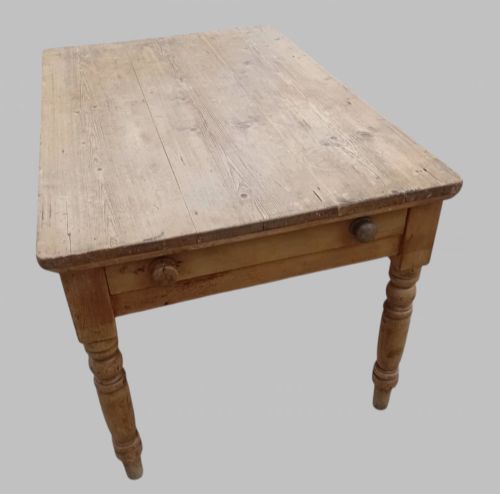
Decorative ambition also distinguishes the pieces, ranging from plain utilitarian kitchen tables with single drawers to elaborate dressers with sliding glazed doors and ebonised or faux bamboo mouldings. Pieces retaining original painted finishes or specialised configurations like collectors cabinets represent higher tiers of craftsmanship.
The Late Victorian Pine Drawers Glossary
- Pitch pine
- A dense and resinous variety of pine timber often showing prominent grain patterns. It was frequently selected for heavy duty furniture and desks during the nineteenth century.
- Faux bamboo
- A decorative technique where softwoods are carved and painted to imitate real bamboo stems. This finish appears on late nineteenth century bedroom furniture influenced by exotic design trends.
- Tramp art
- A style of woodwork created by carving chip reliefs from scrap timber and box packaging. Pieces utilising this technique often display layered geometric patterns.
- Aesthetic movement
- A late nineteenth century design style that emphasised visual beauty over narrative subject matter. Furniture from this period utilised clean lines and contrasting ebonised details.
- Dovetail
- A traditional wood joint formed by interlocking wedge shaped fingers. This construction method secures drawer corners against pulling forces.
Late Victorian Pine Drawers: Frequently Asked Questions
How do I date late victorian pine drawers?
Dating relies on construction methods, hardware styles, and recorded periods within the late nineteenth century. Pieces often feature machine-sawn timber combined with hand-cut dovetails typical of the eighteen eighties and nineties.
Stamped registration marks or retailer labels occasionally provide more precise timelines, though many vernacular items survive without documentation.
What is the difference between pine and pitch pine?
Pitch pine comes from specific coniferous trees containing higher resin content, resulting in a heavier, harder wood with strong grain contrast. Standard pine is generally lighter in weight and softer, with a more subdued grain pattern.
Both materials were widely utilised in late nineteenth century cabinetmaking depending on the desired strength and appearance of the furniture.
Did these pieces always have painted finishes?
Original finishes varied significantly, encompassing stripped natural timber, layered paint, dark stains, and ebonised treatments. Many utilitarian chests and dressers received coats of paint for protection or to match domestic interiors.
Later stripping has exposed the bare softwood on numerous surviving examples that were originally coated.
Where were these drawer units used in the home?
Domestic spaces such as bedrooms, kitchens, and sculleries housed these storage pieces for linen, clothing, and dry goods. Chests of drawers served sleeping quarters while smaller cabinets functioned as bedside storage.
Larger configurations like dressers and banks of drawers belonged in working areas of the house where heavy utility was required.