



Late Victorian Library Shelving
Late victorian library shelving offers sturdy open storage and timeless timber character for a traditional room.
Late Victorian Library Shelving
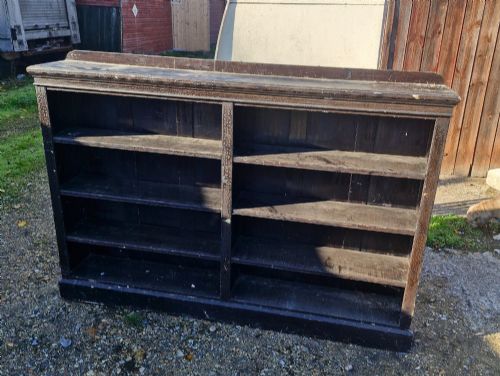
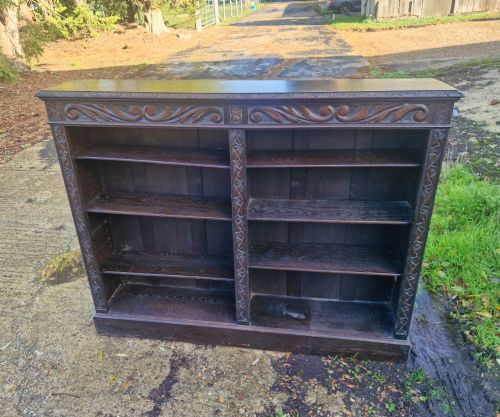
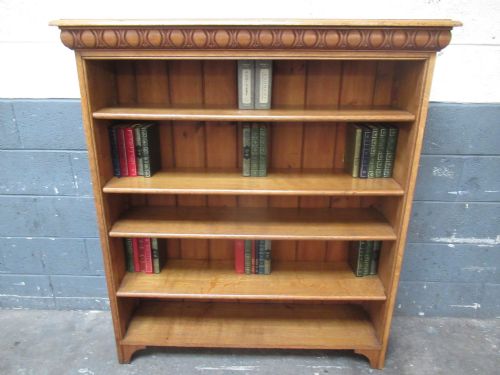
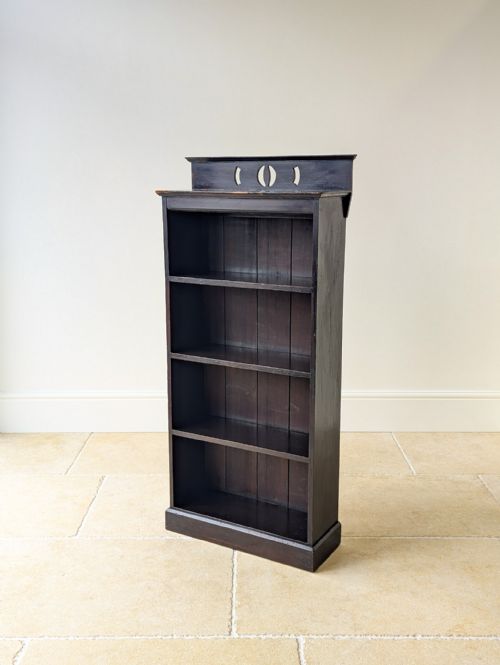
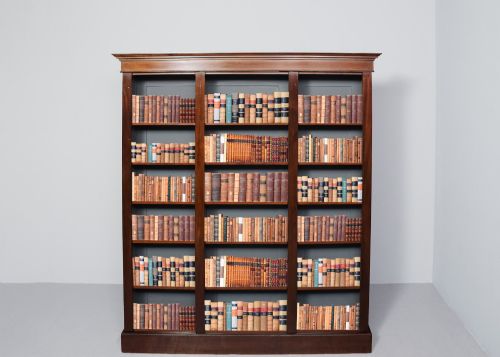
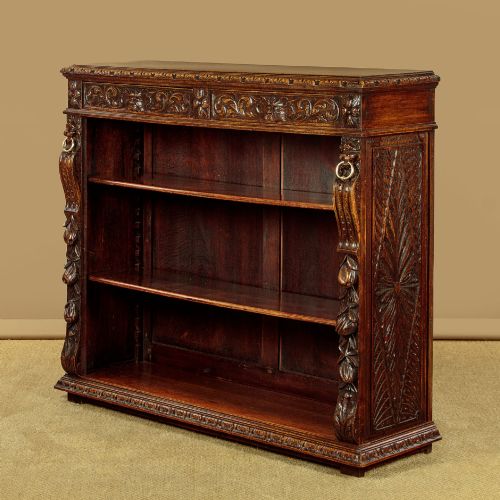
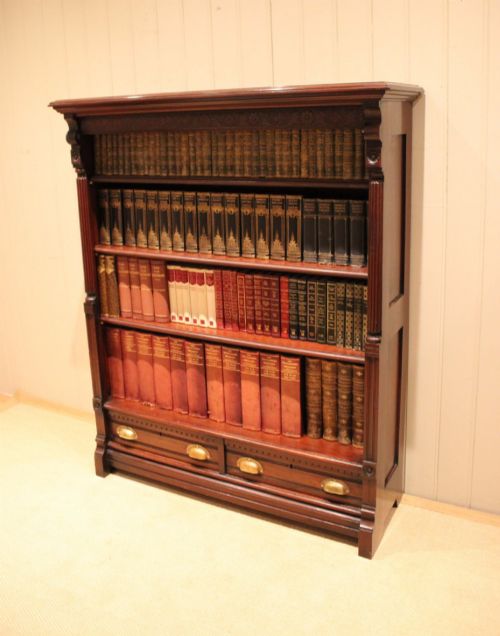
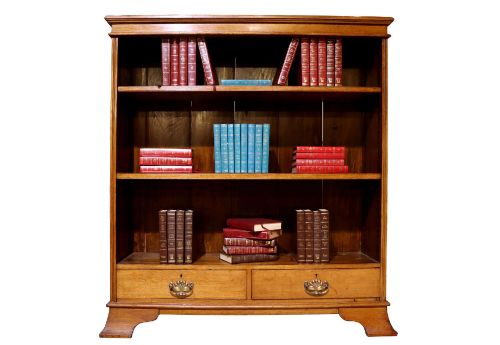
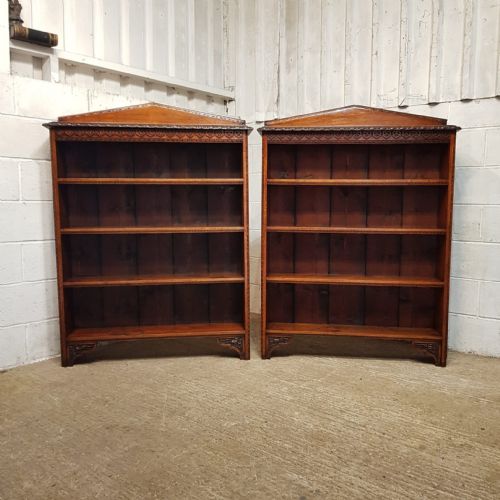
Late victorian library shelving comprises open bookcases and freestanding wooden tiers designed to hold volumes within a domestic or institutional study. These pieces typically date from the late nineteenth century, spanning oak, mahogany, and walnut structures.
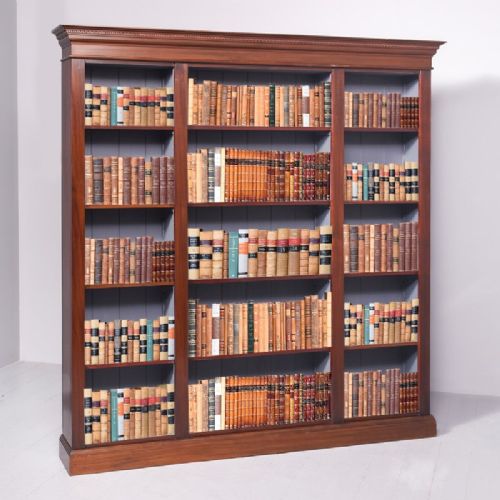
Buyers encountering this category will most frequently find open bookcases featuring adjustable shelves for practical book storage. Many examples incorporate classical revival styles, including Georgian and Renaissance influences, alongside simpler utilitarian forms.
Originating largely from the late nineteenth century and occasionally touching the early twentieth century, these shelves bring period proportions to modern spaces. The selection relies heavily on mahogany and oak constructions finished with period details.
Construction and materials
Makers built these bookcases using dense hardwoods like oak, mahogany, and walnut, often paired with softer secondary timbers for internal partitions. Timber selection dictated the weight and visual gravity of the shelving unit.
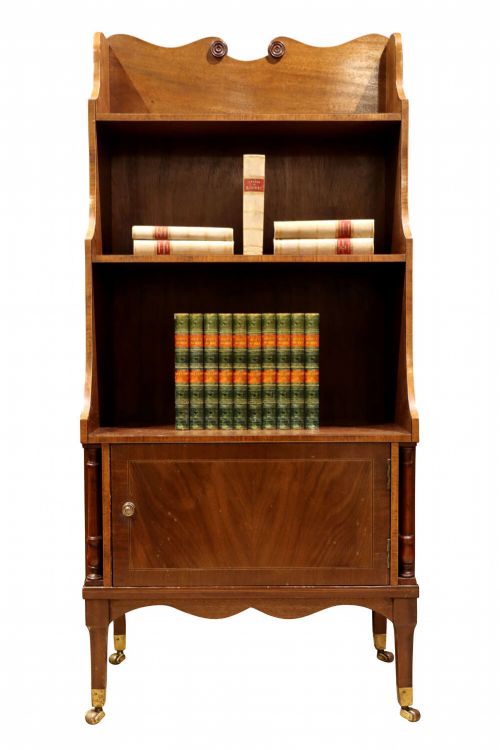
Surface decoration relied on subtle craftsmanship, including satinwood inlay, carved oak relief, and brass castors for mobility. Adjustable shelving mechanisms allowed owners to alter shelf heights to accommodate varying book sizes.
Late Victorian Library Shelving Retail Price Guide 2026
Typical asking prices for late victorian library shelving among the pieces listed under this phrase on Sellingantiques today, from the lower quarter to the upper quarter. They describe what is for sale here now, not the wider market.
Listings feature woods such as mahogany, oak, walnut, and satinwood inlay across various revival styles.
Assessing quality and craftsmanship
Quality separates simple utility furniture from pieces finished with refined stylistic flourishes like satinwood inlay or elaborate carved panels. The execution of the woodwork and the crispness of any revival detailing mark the better examples.
Timber selection and grain figure heavily influence the overall presence of the piece, with richly figured mahogany or quartersawn oak standing apart from plain softwood carcasses. The integration of functional hardware, such as solid brass castors, also indicates the original tier of production.
The Late Victorian Library Shelving Glossary
- Open bookcase
- A piece of furniture designed for book storage featuring exposed shelves without front doors. It allows for quick access and display of a book collection.
- Adjustable shelves
- Internal boards that can be moved up or down to accommodate books of different heights. This system uses fixed side supports or peg holes.
- Satinwood inlay
- Decorative woodwork where contrasting light satinwood is fitted into recesses in a darker primary timber. It creates geometric or floral patterns.
- Waterfall bookcase
- A tiered shelving unit where each lower shelf steps forward from the one above it. This form creates a descending profile.
Late Victorian Library Shelving: Frequently Asked Questions
How do I adjust the shelves?
Most period bookcases use a system of vertical wooden slots or metal pins that allow you to lift and reposition each shelf by hand.
Ensure you support the shelf evenly on both sides when shifting its height to protect the interior lining.
Are these shelves sturdy enough for heavy books?
Solid hardwoods like oak and mahogany provide robust support for dense volumes, though you should check the thickness of individual boards.
Distribute heavier encyclopaedias and reference sets across the lower tiers to maintain overall stability.
How do I clean mahogany shelving?
Dust the timber regularly with a dry, soft cloth to prevent particulate buildup in the carved details and grain.
Apply a microcrystalline wax periodically to nourish the wood surface without creating a heavy buildup.
Can I place these bookcases on carpet?
Freestanding bookcases stand securely on most flat floor surfaces, though tall units benefit from wall anchoring for safety.
Models fitted with brass castors will roll more easily on hard flooring than on thick pile carpets.