


Late Victorian Desk Accessory
A late victorian desk accessory brings the serious craftsmanship of the writing table into your study.

Late Victorian Desk Accessory
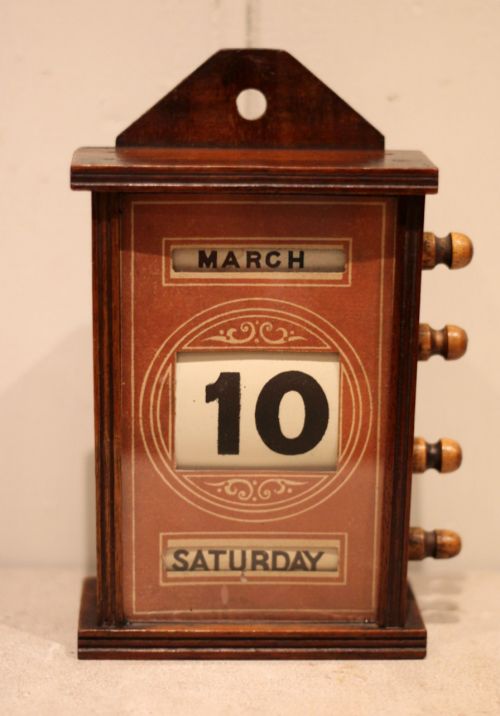
A late victorian desk accessory encompasses inkstands, inkwells, calendars, and page turners originating from the late nineteenth century. These objects served the practical writing needs of the period while often incorporating decorative elements such as animal forms or architectural motifs.
The pieces listed here showcase forms ranging from large oak standishes fitted with brass trim to novelty silver items shaped like crocodiles and owls. Buyers encounter everything from utilitarian stationery holders to elaborate double inkstands complete with chambersticks.
Originating predominantly within the Victorian period around eighteen eighty to nineteen hundred, these desk items reflect the material culture of nineteenth-century writing desks. They bridge the gap between functional office equipment and ornate decorative art.
Materials and construction
Makers utilised a combination of sterling silver, solid oak, cut glass, and cast brass to build these durable desk pieces. Silver components often bear hallmarks from Birmingham, Sheffield, or London, indicating the specific assay office and year of production.
Wood elements like mahogany and oak were frequently joined with brass hinges, clips, and mounts. Glass and cut glass served primarily for inkwell inserts and string jars, while specialised items incorporated horn, gilded bronze, and blue and white faience.
Cats playing, owls staring through glass eyes, and ostriches concealing inkwells prove that nineteenth-century writers took their correspondence with a heavy dose of amusement.
Distinctions in quality
Quality reveals itself in the weight of the metal and the precision of the joinery on wooden pieces like standishes and book slides. Superior examples display crisp chasing on silver novelties and well-fitted glass liners within heavy brass or ceramic bases.
Artistic ambition also sets items apart, distinguishing standard utilitarian inkwells from whimsical figural novelties featuring glass eyes or detailed animal skins. The presence of clear hallmarks and intact original components elevates the standing of any desk accessory.
Sampson Mordan
The Late Victorian Desk Accessory Glossary
- Standish
- A desk stand or tray designed to hold inkwells, pens, and other writing implements. These often incorporate a drawer or specific recesses for sanders and wafers.
- Hallmark
- An official stamp applied to precious metals indicating the standard of purity, the assay office, and the date letter. British silver pieces from this era typically display these reassuring marks.
- Faience
- Tin-glazed earthenware, seen here in Dutch Delft desktop pieces imported or emulated during the period. This ceramic material provides a contrasting blue and white surface against metal fittings.
Late Victorian Desk Accessory: Frequently Asked Questions
How were these inkwells used?
These inkwells held liquid ink for use with dip pens before the widespread adoption of the fountain pen. Writers dipped their nibs directly into the glass inserts housed within the stands.
Many designs included hinged lids to prevent the ink from evaporating or collecting dust on the desktop during daily correspondence.
What materials are most common?
Sterling silver, brass, cut glass, and solid oak appear frequently across these desk items. Makers often combined multiple materials, such as oak mounts fitted with brass hinges and glass ink inserts.
Silver plate and horn also feature in smaller writing accessories like page turners and match holders.
How do I date these items?
Silver pieces carry hallmarks that allow precise dating down to the exact assay year through stamped maker marks and date letters. Items made from wood, brass, or glass rely on stylistic cues and construction methods typical of the late nineteenth century.
Design movements like Art Nouveau and Aesthetic Movement also provide clear chronological markers for specific pieces.
Are novelty desk accessories authentic?
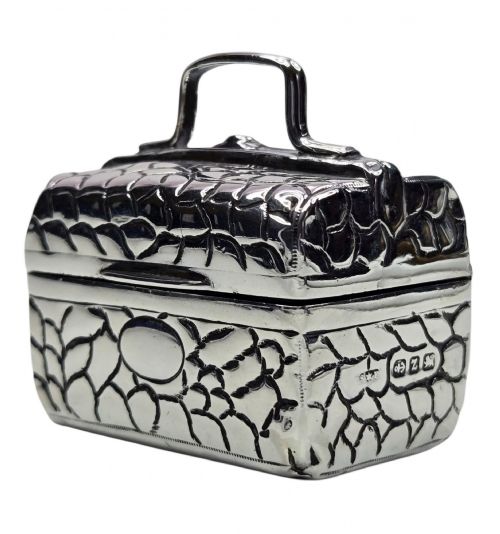
Novelty pieces shaped as animals or everyday objects reflect a strong Victorian taste for amusing and imaginative desk ornaments. Makers produced whimsical designs depicting owls, ostriches, and crocodile skin trunks using cast metals and glass.
These figural items were functional writing tools disguised as decorative sculptures for the study.