


Late Victorian Bookshelf
A late victorian bookshelf offers sturdy shelving and rich timber tones, making it a practical anchor for any study.
Late Victorian Bookshelf
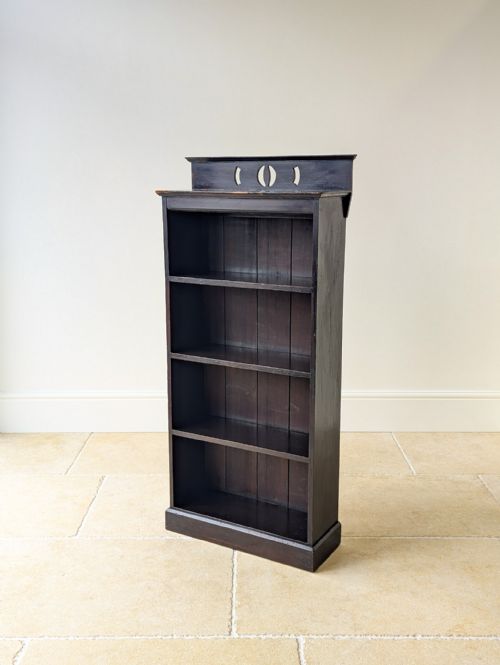
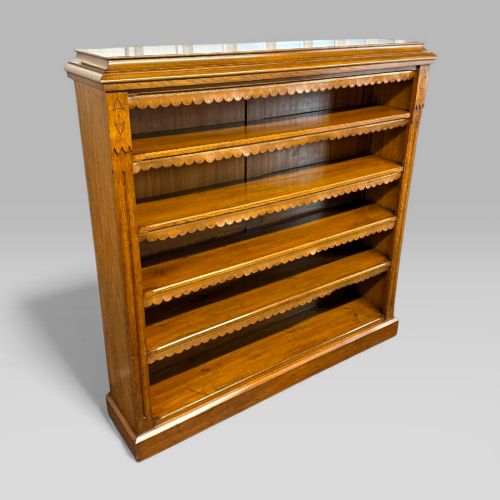
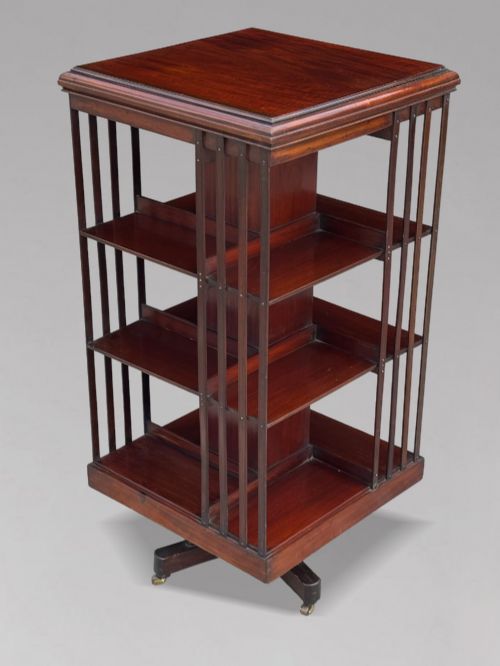
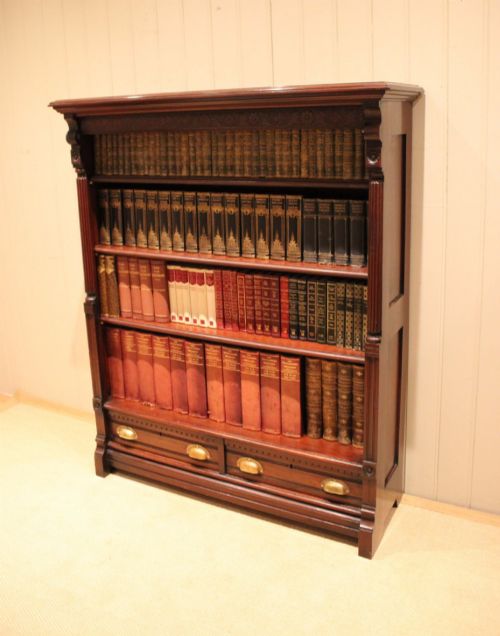
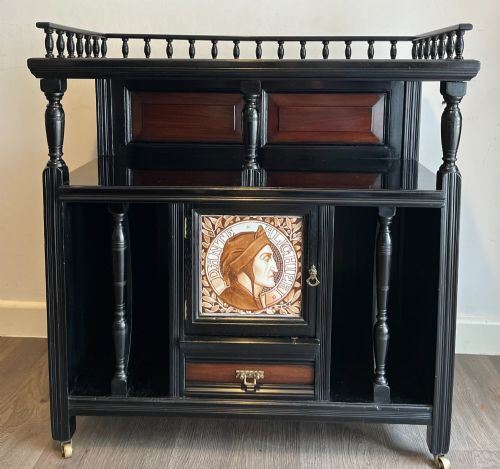
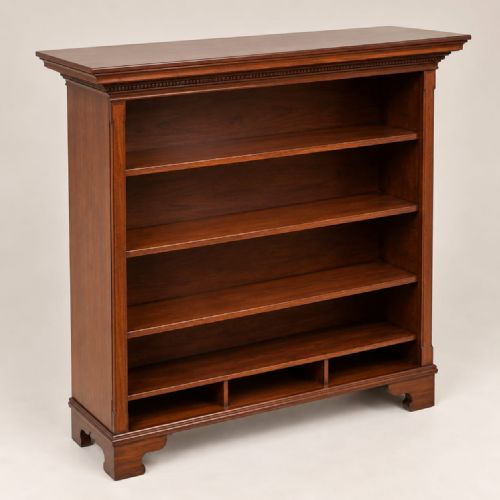
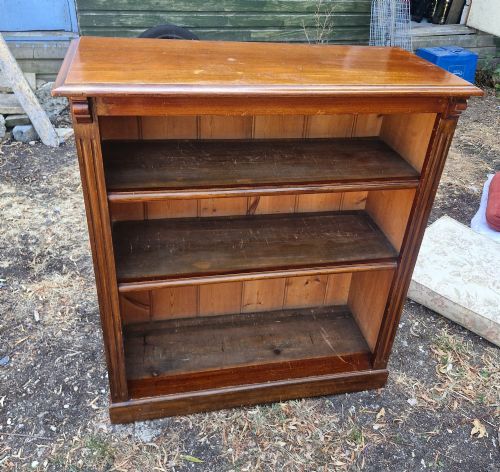
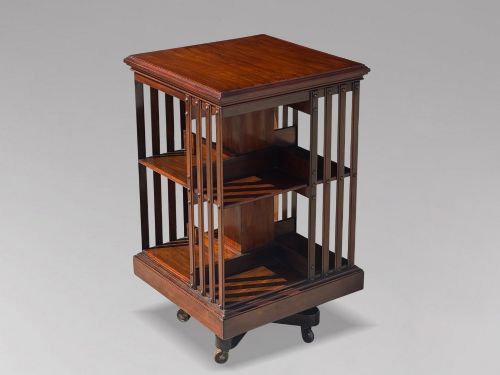
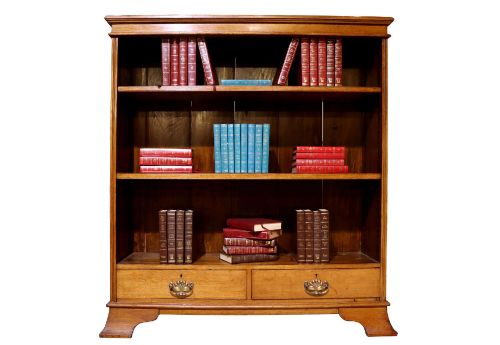
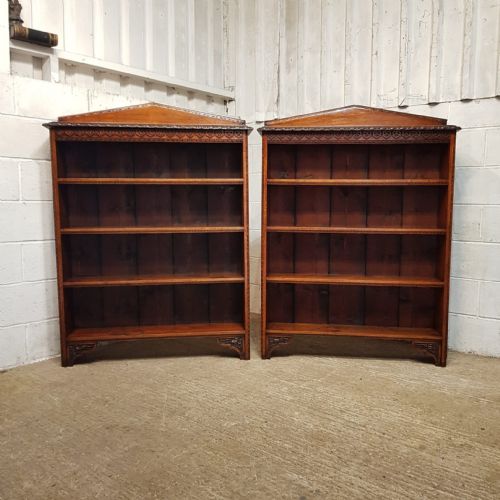
A late victorian bookshelf bridges practical home storage and the decorative ambitions of the late nineteenth century, spanning open fronts, revolving designs and glazed cabinets. You will frequently encounter mahogany and oak open bookcases featuring adjustable shelves, alongside revolving models that turn on central pivots.
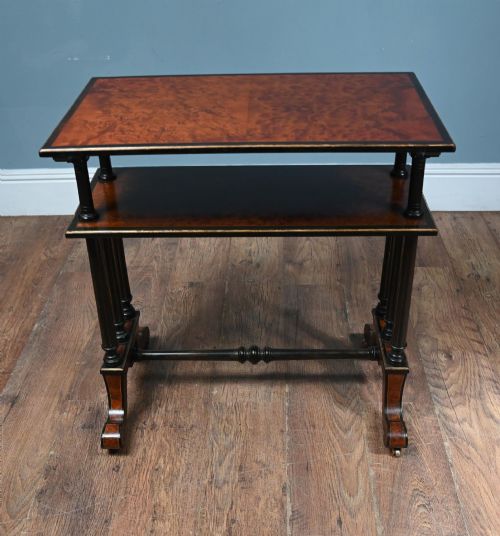
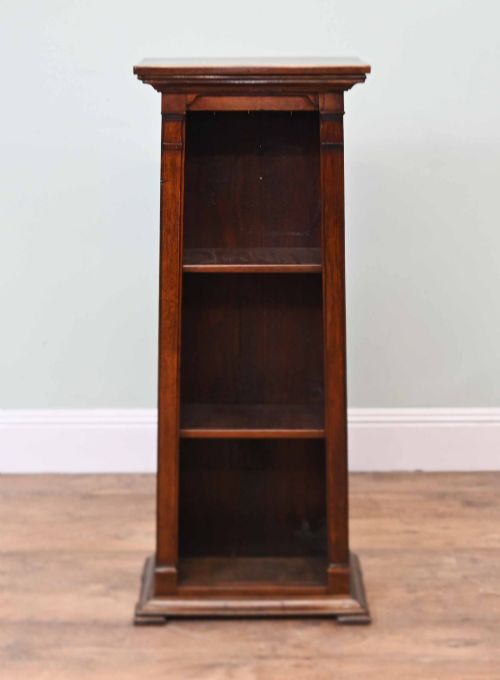
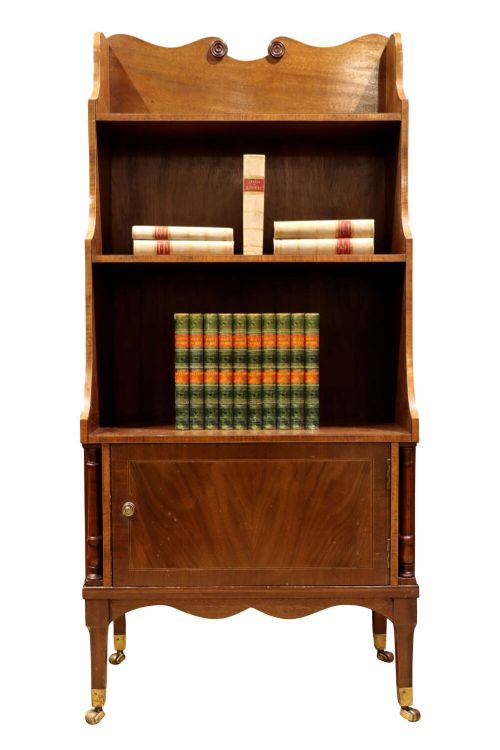
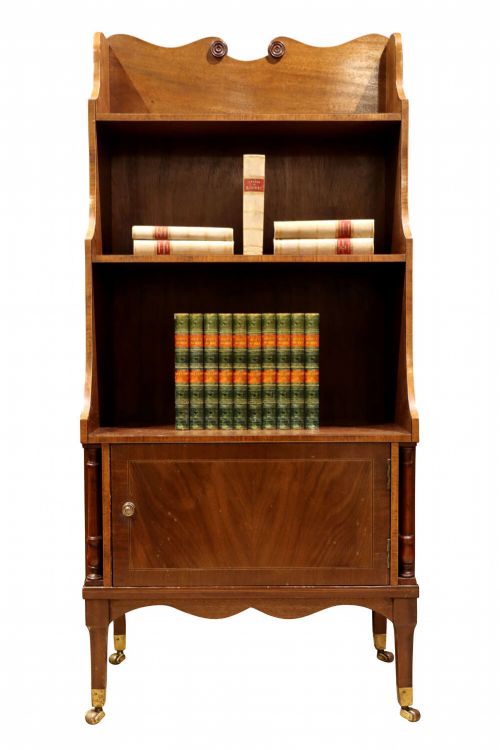
The selection here encompasses diverse forms such as dwarf bookcases, tall two-part units, waterfall tiers and occasional whatnots. These pieces draw on various stylistic revivals, including the Aesthetic Movement and Renaissance Revival, reflecting the eclectic tastes of the period.
Materials and construction methods
Cabinet makers relied heavily on solid timbers like mahogany, oak, walnut and satinwood, often accentuating the grain with polished finishes or delicate inlay work. Structural elements frequently incorporated brass castors for mobility, particularly on revolving bookcases and heavy cabinets.
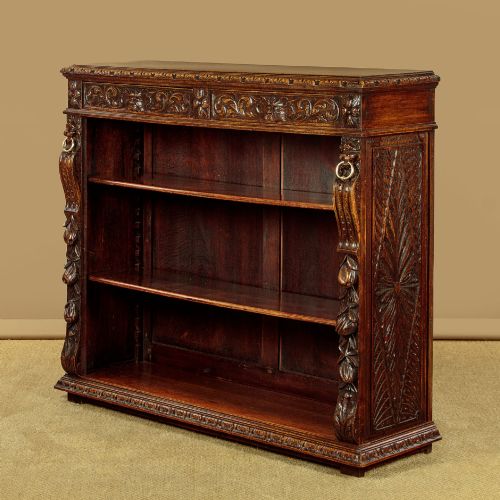
Carved details appear across several revival styles, using hand-chiselled ornamentation on oak and giltwood surfaces. Joints were typically pegged or dovetailed to ensure longevity under the weight of heavy volumes.
Late Victorian Bookshelf Retail Price Guide 2026
Typical asking prices for late victorian bookshelf among the pieces listed under this phrase on Sellingantiques today, from the lower quarter to the upper quarter. They describe what is for sale here now, not the wider market.
The listings show diverse woods including mahogany, oak, walnut, satinwood, pine and cast iron.
Distinguishing quality in construction
Quality depends upon the choice of timber and the precision of the joinery, especially in the smoothness of adjustable shelf mechanisms and revolving pivots. Superior pieces exhibit carefully selected mahogany or figured walnut veneer paired with robust secondary woods.
Refined surface finishing and restrained carving separate standard utility pieces from exceptional examples bearing maker details or specialised inlay. The inclusion of original brass hardware and well-fitted drawers further elevates the standing of an individual piece.
Shoolbred & Co
The Late Victorian Bookshelf Glossary
- Revolving bookcase
- A compact, rotating shelving unit designed to sit on a floor or tabletop for easy book selection. These units balance stability with accessibility.
- Waterfall bookcase
- A tiered shelving format where each shelf steps back from the one below it. This creates a cascading profile often accented with fine inlay.
- Aesthetic Movement
- A late nineteenth century design style emphasising visual beauty and artistic craftsmanship over heavy historicism. It often incorporates lighter woods and subtle geometric motifs.
- Whatnot
- A multi-tiered piece of freestanding furniture used for displaying books or ornaments. They frequently include small drawers or mirrors.
- Dwarf bookcase
- A low-standing shelving unit built to sit beneath picture rail height. These items keep rooms feeling open while providing adequate storage.
Late Victorian Bookshelf: Frequently Asked Questions
How do I adjust the shelves?
Many of these pieces utilise traditional wooden support battens or metal pins inserted into vertical rows of holes inside the cabinet walls. Simply lift each shelf slightly to clear the supports and reposition them at the desired height.
Care should be taken with older timber runners to avoid splitting the internal lining boards when sliding shelves into new positions.
Where should I place a revolving bookcase?
A revolving bookcase functions well beside an armchair or freestanding in the centre of a room where users can access volumes from all sides. Ensure there is adequate clearance around the base so the revolving mechanism turns freely without striking surrounding furniture.
Keep these items away from direct heat sources to prevent the timber from drying out and warping the pivot mechanism.
Are these bookcases suitable for heavy books?
Solid mahogany and oak examples with thick, adjustable shelves easily accommodate standard library volumes and heavy reference books. The structural integrity of late nineteenth century framing provides reliable load-bearing capacity for everyday use.
Distributed weight across the centre of longer shelves prevents sagging over extended periods.
What is the difference between an open bookcase and a cabinet?
An open bookcase provides direct, unobstructed access to shelved volumes without doors or glazing. Cabinets incorporate doors, sometimes with glass panes or enclosed lower cupboards, offering protection against dust.
Open formats were favoured for frequently read collections, while enclosed units protected more valuable bindings.