

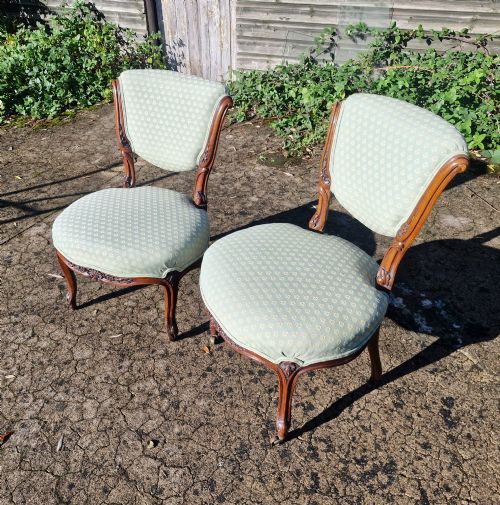
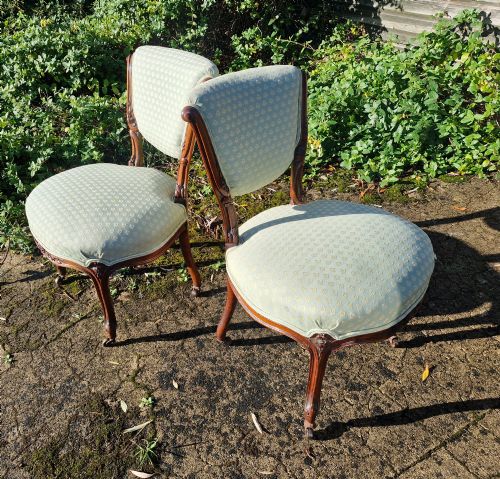
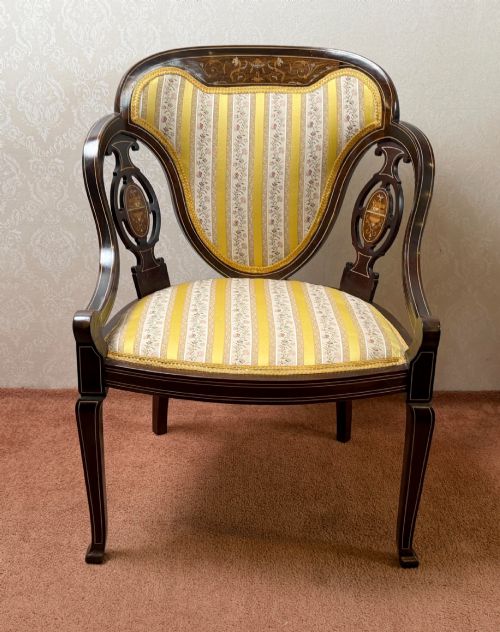
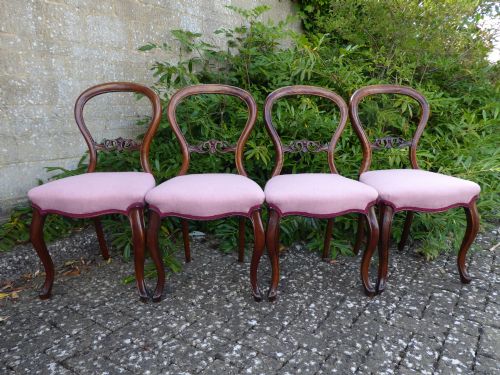
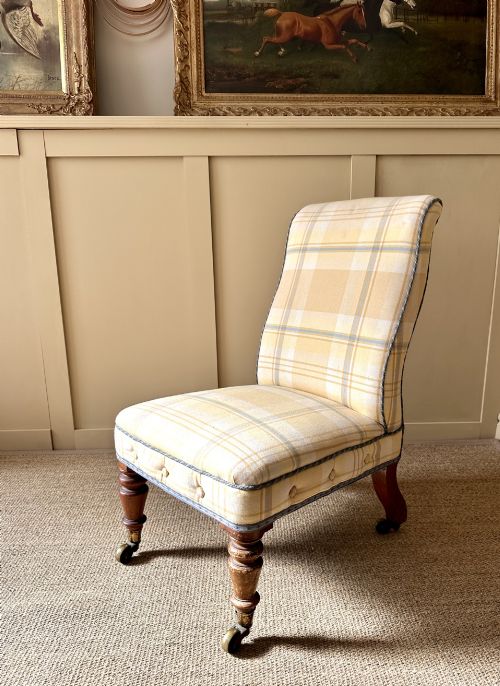

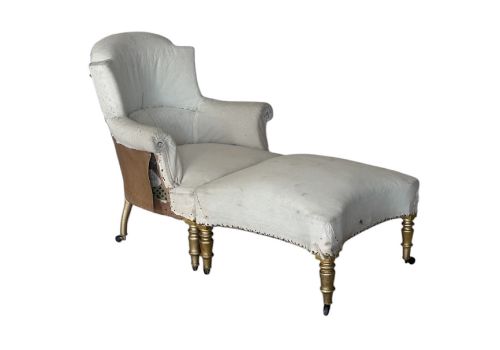
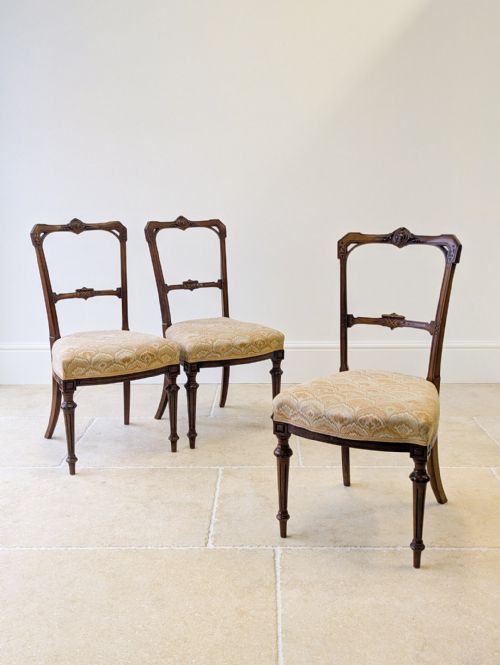
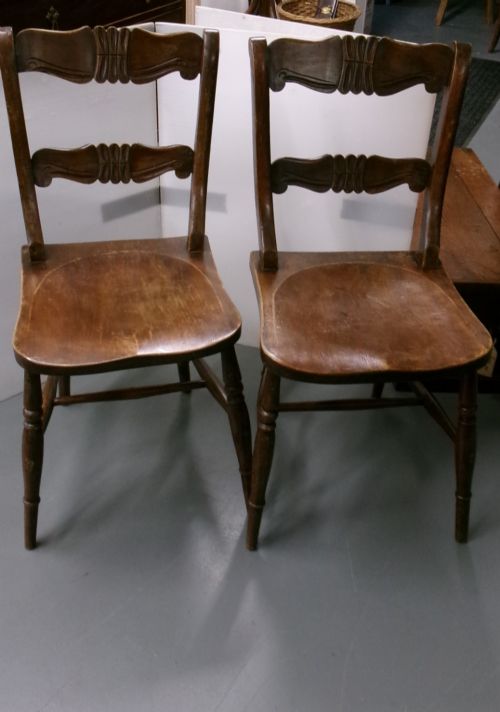


Late Victorian Bedroom Chair
A late victorian bedroom chair brings compact comfort and decorative timberwork to smaller rooms, typically standing lower than standard seating.
Late Victorian Bedroom Chair
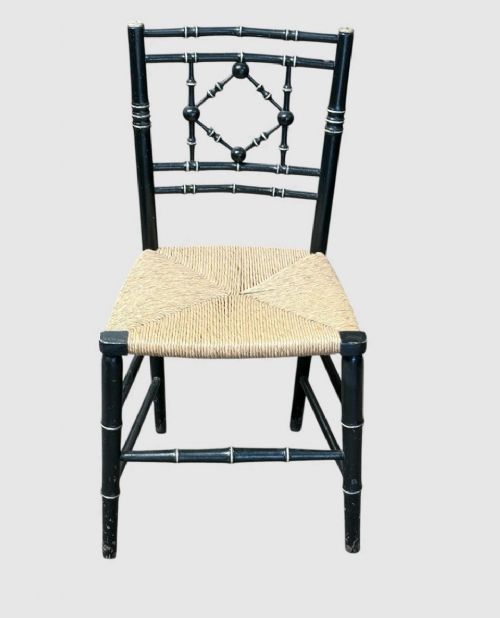
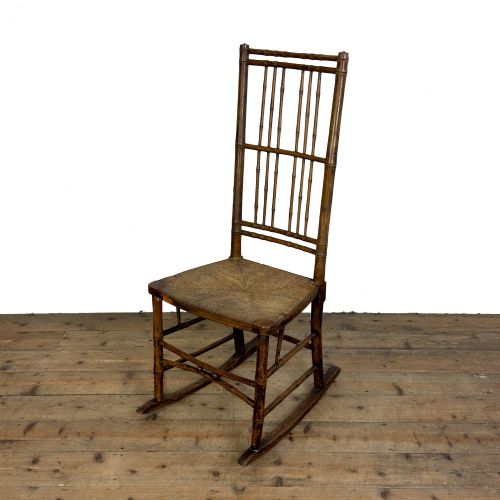
A late victorian bedroom chair is a low-slung, highly decorative seat designed for nineteenth-century chambers and dressing rooms. You will frequently encounter upholstered nursing chairs, low armchairs, and side chairs spanning the Victorian and Edwardian periods.
Makers adapted these pieces into various regional and revival styles, including Aesthetic Movement designs, French influences, and Rococo Revival forms. The core purpose remains practical and ornamental, offering an intimate seat scaled appropriately for domestic sleeping quarters.
How they were made
Cabinet makers utilised dense hardwoods such as mahogany, walnut, oak, and ebonised wood for structural frames, frequently turning or hand-carving the timber components. Frames often incorporated brass hardware, cane seating panels, or intricate piercing along the splat backs.
Upholstery completed the construction, utilising fabrics, velvet, and needlework covers over sprung or padded foundations. Decorative treatments extended to hand-painted details, gilt highlights, and simulated rosewood finishes.
Late Victorian Bedroom Chair Retail Price Guide 2026
Typical asking prices for late victorian bedroom chair among the pieces listed under this phrase on Sellingantiques today, from the lower quarter to the upper quarter. They describe what is for sale here now, not the wider market.
Listings feature mahogany, walnut, oak, and ebonised wood framed across Victorian, Edwardian, and nineteenth-century periods.
What varies in quality
Quality rests upon the crispness of hand-carved details, the selection and grain of timbers like walnut and mahogany, and the structural integrity of the frame joints. Superior examples display thoughtful proportions, refined turnings, and well-executed decorative treatments such as hand-painting or ebonising.
The sophistication of the upholstery work and the original condition of materials like cane or needlework further separate standard production pieces from finer cabinet work.
The Late Victorian Bedroom Chair Glossary
- Nursing chair
- A low-seated chair historically designed for feeding infants or personal grooming, featuring a compact frame and padded upholstery. These pieces sit closer to the floor than standard parlour seating.
- Ebonised wood
- Timber treated with a dark stain or finish to imitate expensive ebony. This technique was popular in late nineteenth-century cabinet making for decorative contrast.
- Aesthetic Movement
- A design style spanning the late nineteenth century that emphasised simplicity, artistic expression, and Japanese-inspired motifs. Pieces from this movement often utilise ebonised finishes and linear forms.
- Balloon-back
- A chair back shaped in a continuous oval curve resembling a inflated balloon. This form is characteristic of Victorian seating design.
- Caning
- Woven rattan or split cane used to form breathable seat inserts or back panels. It requires skilled hand-weaving around the frame aperture.
Late Victorian Bedroom Chair: Frequently Asked Questions
Where did these chairs sit in the house?
These pieces were positioned primarily in bedrooms, dressing rooms, and private chambers for personal use during dressing or reading.
Their compact proportions allowed them to fit comfortably into smaller domestic spaces without cluttering the room.
How do I identify a late victorian piece?
Look for characteristic timber choices such as mahogany and walnut, alongside revival styles like Aesthetic Movement or Rococo Revival details.
Construction methods typically reflect late nineteenth-century workshop practices, combining machine-sawn components with hand-finished carvings.
Can I use these chairs daily?
These seats function well for everyday domestic use provided the internal joinery and upholstery foundations remain stable.
Care should be taken with delicate elements like hand-caned panels or antique fabrics to preserve their condition.
What is the difference between a nursing chair and a side chair?
Nursing chairs feature lower seats designed for comfort during private tasks like infant feeding or hair brushing.
Side chairs stand at standard dining or dressing height and lack arms, serving a more general decorative purpose.