




Late Qing Dynasty Object
A late qing dynasty object is a scholar's desk accessory or decorative carving made to display refined taste and erudition.
Late Qing Dynasty Object
A late qing dynasty object encompasses scholar's items and decorative pieces produced across the nineteenth century and earlier transitional periods. These items reflect the traditional pursuits of the Chinese literati through functional studio equipment and ornamental carvings.
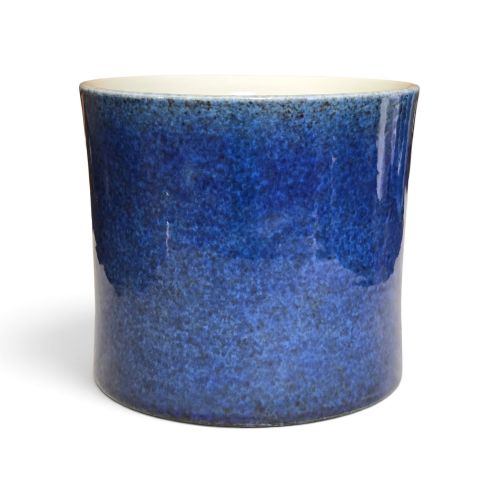
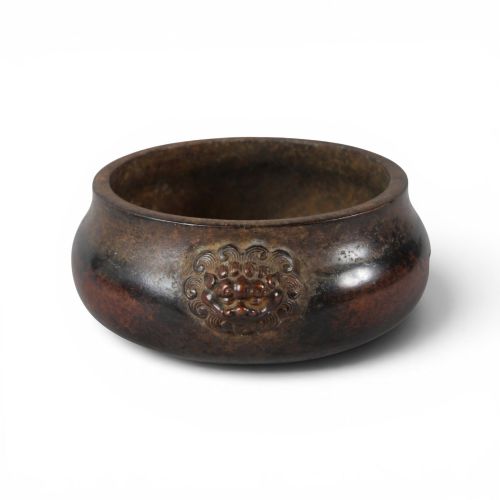
The most common forms encountered on this page are brush pots, incense burners, and jade carvings. These objects were essential components of the traditional scholar's desk, designed for writing, contemplation, and aesthetic appreciation.
The selection ranges from functional vessels such as brush washers and libation cups to sculptural carvings in jade, bamboo, and stone. Pieces span multiple centuries, capturing both seventeenth-century craftsmanship and nineteenth-century production.
Assessing Quality and Execution
Quality rests primarily on the crispness and depth of the carving relative to the medium, whether dealing with the fibrous grain of bamboo or the dense weight of jade and bronze. Superior examples display confident, fluent toolwork that respects the natural limitations of the material.
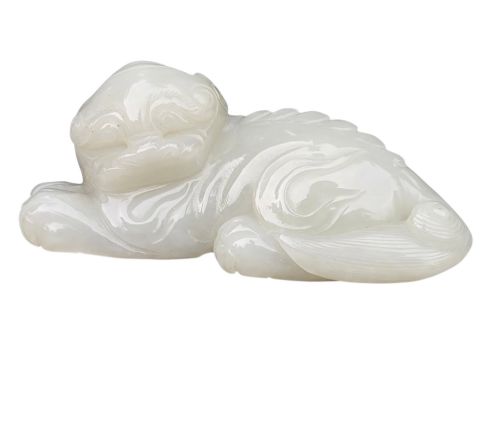
The material selection itself dictates the upper tier of the range, particularly with flawless white jade, heavy cast bronzes with rich patination, and well-potted porcelains with balanced cobalt or powder-blue glazes. Proportion and tactile weight further separate workshop pieces from standard decorative output.
Late Qing Dynasty Object Retail Price Guide 2026
Typical asking prices for late qing dynasty object among the pieces listed under this phrase on Sellingantiques today, from the lower quarter to the upper quarter. They describe what is for sale here now, not the wider market.
Listings feature items spanning the seventeenth to nineteenth centuries, utilising materials from white jade and bronze to bamboo and tortoiseshell.
The Late Qing Dynasty Object Glossary
- Bitong
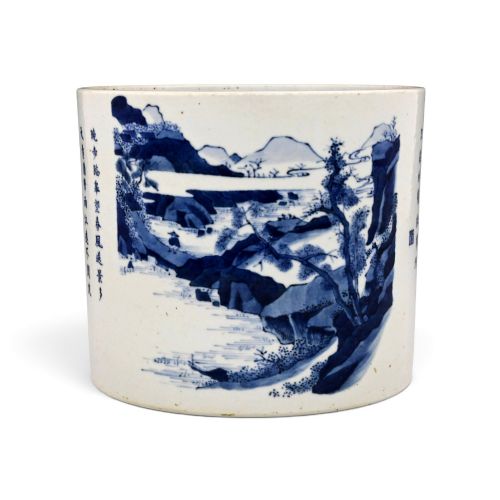
- A cylindrical brush pot used by scholars to hold writing brushes. These vessels form a significant portion of desk accessories.
- Ruyi sceptre
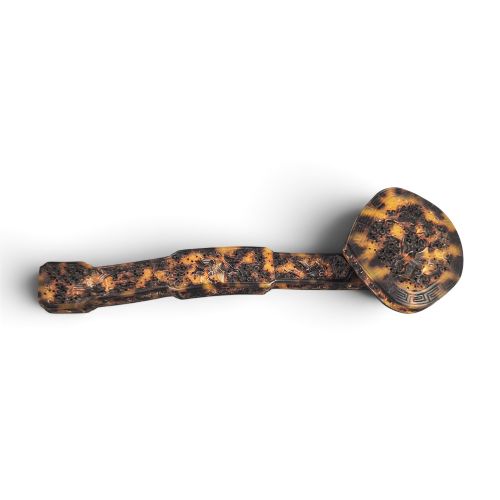
- A decorative S-shaped ceremonial object symbolizing power and good fortune. They are traditionally carved from materials like tortoiseshell or jade.
- Libation cup
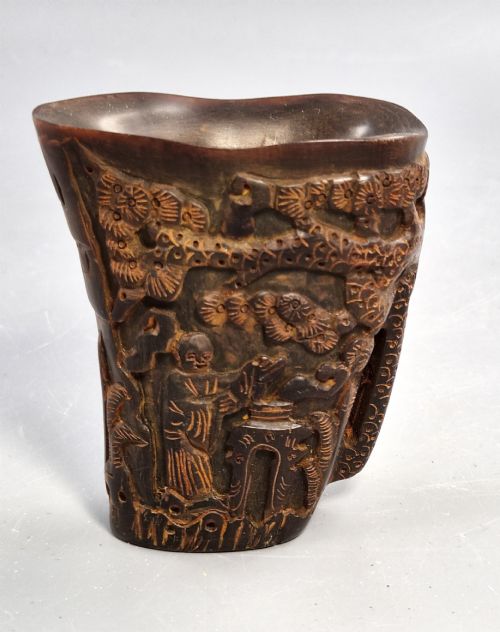
- A ritual cup historically used for pouring wine offerings. In scholar's studios, they were carved from horn or jade for display.
- Cloisonné enamel
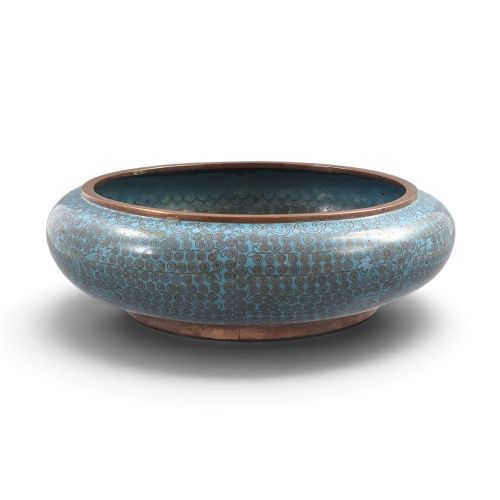
- A metalwork technique where enamel paste is applied within compartments created by soldered wire strips. This creates colourful decorative patterns on vessels.
- Shoushan stone
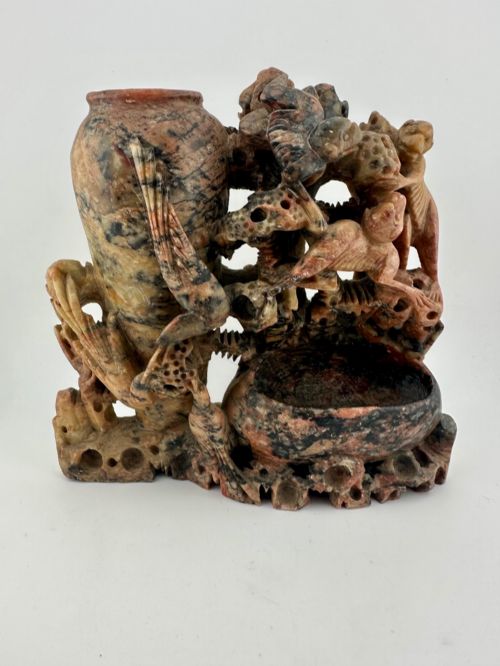
- A type of pyrophyllite stone quarried in Fujian province and prized for carving seals and small sculptures. It varies in natural colour and translucency.
Late Qing Dynasty Object: Frequently Asked Questions
What is a bitong?
A bitong is a cylindrical container specifically designed to hold writing brushes on a scholar's desk. They appear frequently in various materials such as porcelain, bamboo, and hardwood.
These pots kept tools organised while displaying the owner's appreciation for fine craftsmanship and literary traditions.
How were bronze censers used?
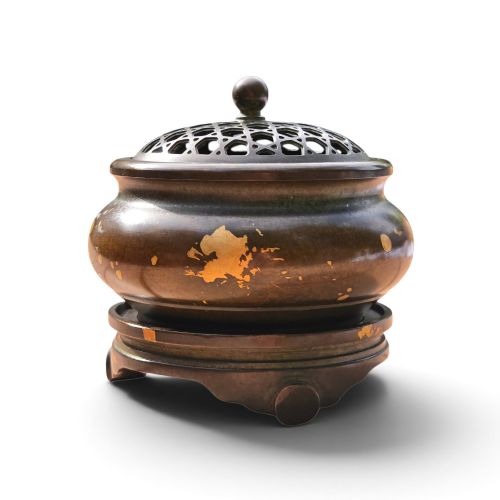
Bronze censers were utilised for burning incense during quiet contemplation, tea ceremonies, or scholarly study. Their subtle fragrance helped clear the mind.
Heavier examples often sat on dedicated stands and featured patinas developed through careful handling and metal treatment over time.
What materials are typical for these pieces?
The material palette includes nephrite and white jade, bamboo, hardwood, buffalo horn, tortoiseshell, and Shoushan stone. Ceramics and cast bronze also feature prominently.
Each medium required distinct carving or casting techniques suited to its physical properties and intended studio function.
How do you distinguish periods?
Period attribution relies on stylistic conventions, material handling, and technical markers such as glaze consistency in porcelains or casting methods in bronzes. Earlier seventeenth-century pieces often display different proportions compared to nineteenth-century examples.
Comparing surface patination and tool marks helps contextualize when an item was made within the wider Qing dynasty.