






Late Georgian Wooden Chair
A late georgian wooden chair brings solid timber and honest regional making into everyday rooms.
Late Georgian Wooden Chair
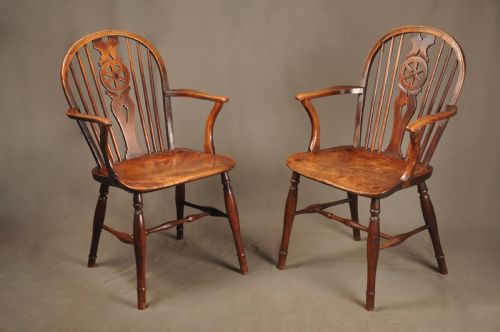
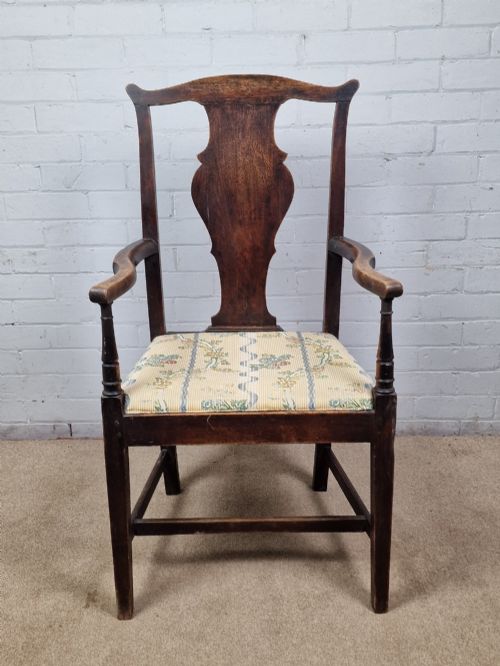
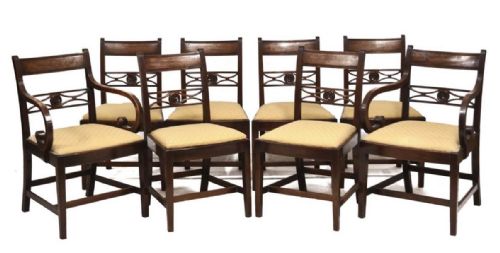
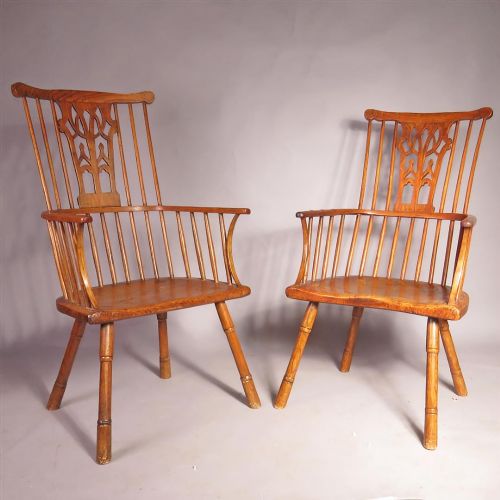
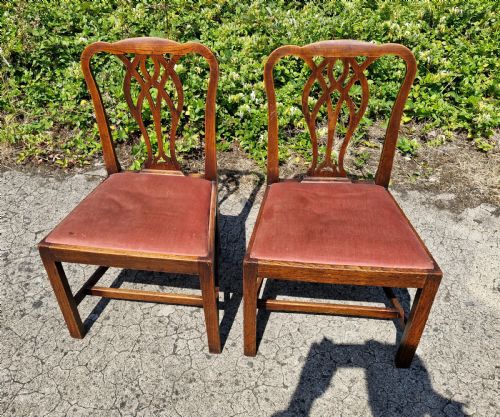
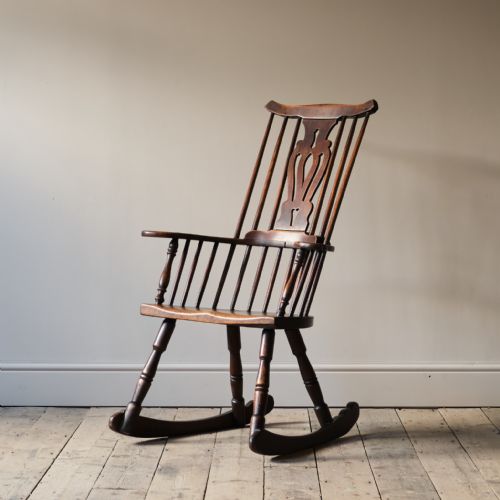
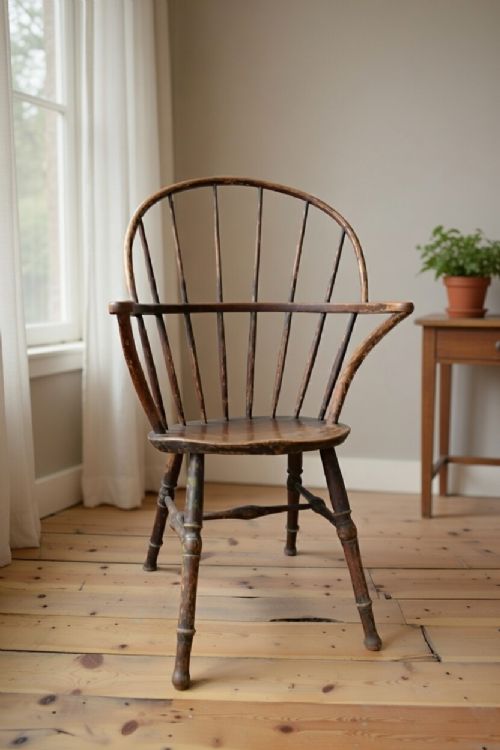
A late georgian wooden chair encompasses forms from formal dining seats in mahogany to regional windsor armchairs shaped from elm, ash, and yew. These pieces bridge the late eighteenth century and the regency period, reflecting diverse domestic uses from libraries to country kitchens.
You will encounter dining chairs sold in sets alongside single library armchairs, corner chairs, settles, and children's chairs. The construction spans urban cabinet-making workshops and rural vernacular traditions.
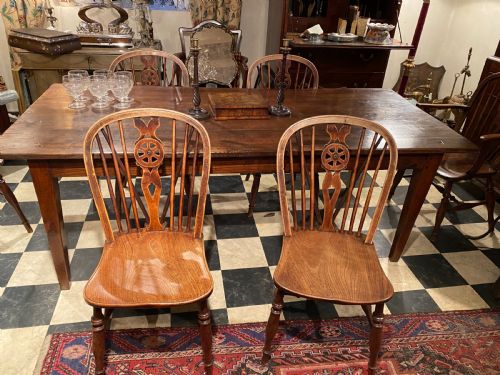
The selection ranges from George III mahogany dining sets to Thames Valley and West Country Windsor chairs. This variety shows how timber choices shifted according to local availability and intended room function.
How they were made
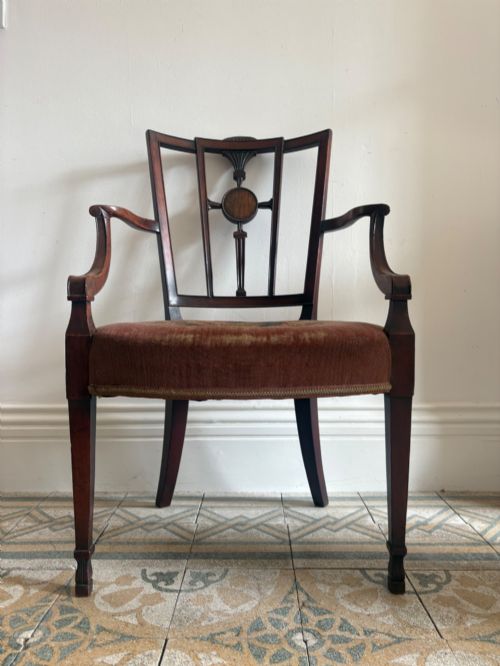
Makers utilised native hardwoods such as elm, ash, beech, and yew alongside imported mahogany for formal urban commissions. Timber selection dictated structural potential, allowing Windsor chairmakers to steam-bend green wood for bows and spindles while cabinet-makers relied on dense mahogany for carved shield backs.
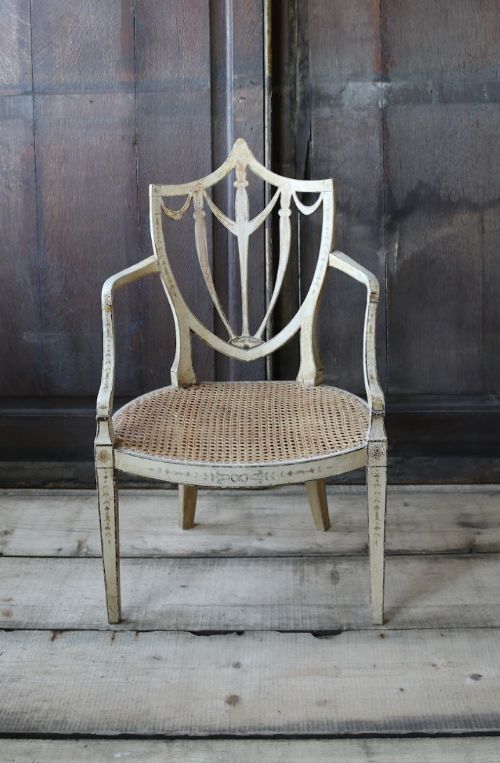
Joinery techniques combined traditional pegging and mortise and tenon joints with sophisticated turning and relief carving. Painted finishes and subtle details like rosewood roundels or block feet added distinct visual character to structural frames.
Late Georgian Wooden Chair Retail Price Guide 2026
Typical asking prices for late georgian wooden chair among the pieces listed under this phrase on Sellingantiques today, from the lower quarter to the upper quarter. They describe what is for sale here now, not the wider market.
One exceptional piece transforms from a dignified library seat into a set of steps for reaching high bookshelves.
What varies in quality
The distinction between ordinary and exceptional pieces lies in timber selection and the crispness of execution. A superior mahogany dining chair demonstrates refined proportion and tight joinery, whereas a lesser example relies on heavy, clumsy timber sections.
Regional Windsor chairs vary according to the confidence of the spindle turnery and the comfort sculpted into the solid elm seat. Well-balanced proportions and harmonious grain patterns separate ordinary workshop output from master craftsmanship.
Gillows·Morgan and Sanders
The Late Georgian Wooden Chair Glossary
- Windsor chair
- A chair built with a solid wooden seat into which the legs, back, and spindles are separately socketed. These vernacular seats often feature comb backs or hoop backs constructed from mixed native timbers.
- Shield-back
- A chair back shaped like a heraldic shield, popularised during the late eighteenth century. This style allowed makers to display delicate carved splats and symmetrical tracery.
- Corner chair
- A seating form designed to fit into the corner of a room, featuring a curved back rail supported on turned posts. They often employ cabriole or square legs.
- Metamorphic furniture
- Pieces designed to transform from one form of furniture into another, such as a library chair that unfolds into a set of steps. This clever engineering suited compact town houses.
- Settle
- A wooden bench with high back and solid arms, often incorporating a panelled or barrel-backed enclosure to block draughts. They were built for placement near hearths in large domestic halls.
Late Georgian Wooden Chair: Frequently Asked Questions
How do I identify a windsor chair?
A Windsor chair is characterised by a thick, saddled wooden seat into which the structural undercarriage and back components are wedged directly.
Unlike upholstered frames, these chairs expose their timber construction, frequently combining elm seats with ash or yew spindles.
Were these chairs used for dining?
Many late eighteenth-century chairs were made as sets specifically for formal dining rooms. These often featured mahogany frames and delicate open backs.
Smaller side chairs accompanied larger armchairs at the head of the table.
What is a metamorphic library chair?
A metamorphic library chair is a dual-purpose piece that transforms from a comfortable seating unit into a set of steps. These clever mechanisms allowed scholars to reach high bookshelves.
Cabinet-makers utilised sturdy timbers like mahogany to support the pivoting joints required for the transformation.
How do regional styles differ?
Regional styles reflect the local timbers available to rural makers in areas like the Thames Valley or the West Country. Elm and ash dominated country workshops, producing sturdy Windsor chairs with distinctive turnery.
Urban makers in London preferred imported mahogany and followed fashionable neoclassical patterns.