




Late 19th Century Shelves
Late 19th century shelves encompass hanging wall tiers, floor-standing whatnots, and open bookcases that organise domestic spaces with period craftsmanship.
Late 19th Century Shelves
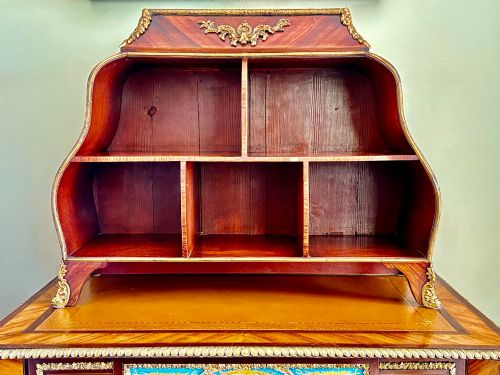
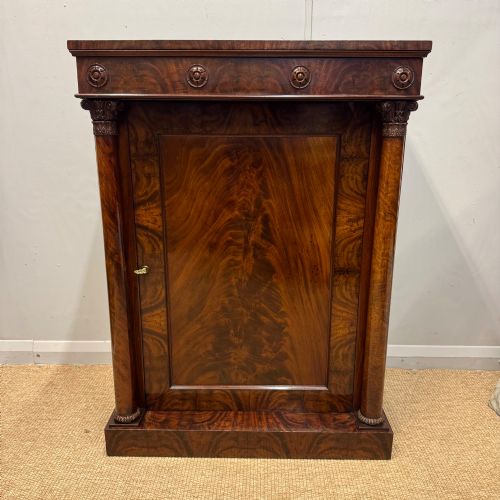
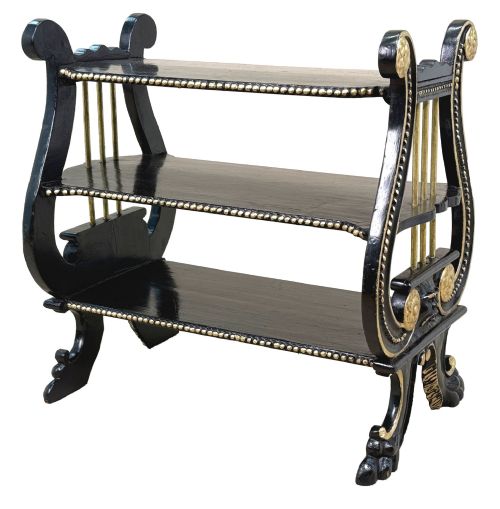
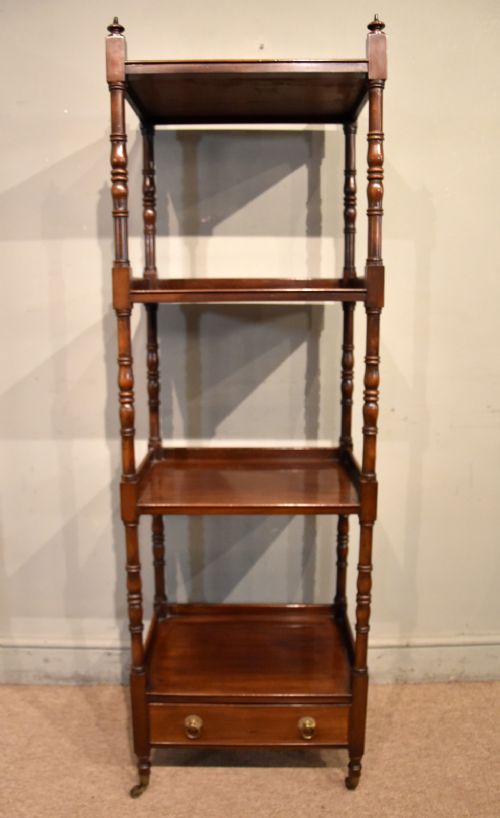
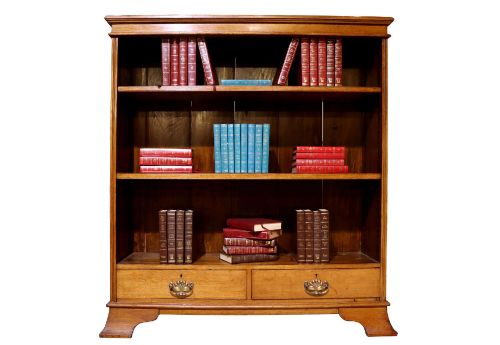
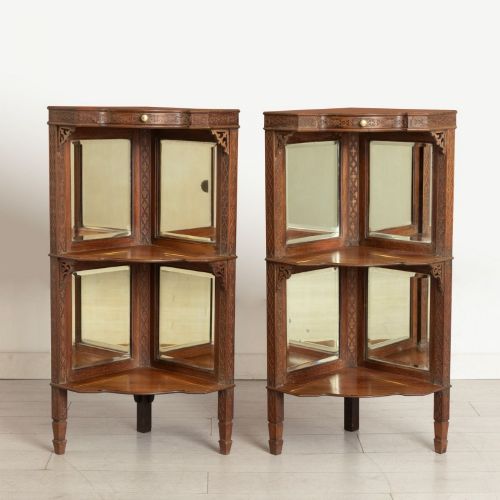
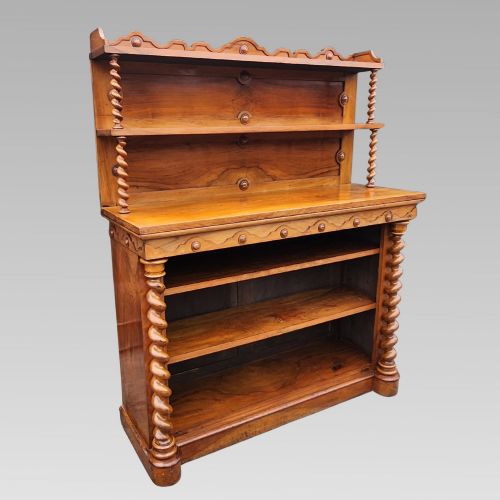
Floor-standing variations in the current listings include four-tier whatnots, open bookcases, and dwarf side-cabinets originating from English and continental workshops. These storage forms reflect the period demand for functional display furniture in varied domestic settings.
How they were made
The construction relies heavily on traditional timber selection, predominantly featuring dense hardwoods such as mahogany, walnut, and oak alongside pine and deal in simpler wall units. Cabinetmakers utilised dovetail joints, turned supports, and applied mouldings to construct stable tier configurations.
Surface treatments recorded in the evidence range from ebonised and parcel-gilded finishes to French polishing and painted wood. Wall-hanging examples incorporate shaped brackets and pierced frets to secure the platforms safely to vertical surfaces.
Late 19th Century Shelves Retail Price Guide 2026
Typical asking prices for late 19th century shelves among the pieces listed under this phrase on Sellingantiques today, from the lower quarter to the upper quarter. They describe what is for sale here now, not the wider market.
Listings for late 19th century shelves demonstrate a strong presence of mahogany and oak, alongside walnut and painted wood finishes.
What varies in quality
Quality differences emerge in the selection of timber grain, the precision of carved or turned details, and the integrity of structural joints. Pieces constructed from figured walnut or dense mahogany with crisp, hand-carved mouldings represent higher manufacturing standards than utilitarian pine variants.
The sophistication of the design execution, such as integrated pierced fretwork on wall shelves or multi-tiered architectural arrangements on floor-standing whatnots, distinguishes standard production from finer cabinet work.
Edwards & Roberts·Cottier & Co.·Shoolbred & Co
The Late 19th Century Shelves Glossary
- Whatnot
- A piece of furniture consisting of a set of open shelves for displaying small objects or books. These freestanding tiers date frequently to the Victorian era.
- Étagère
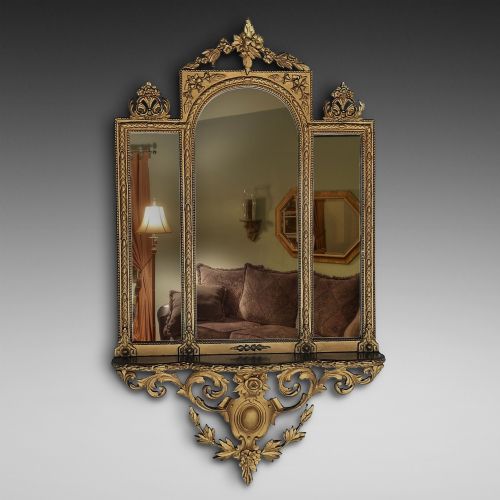
- A piece of furniture with a number of open shelves for displaying ornaments. These decorative stands often feature ebonised wood and parcel gilding.
- Shodana
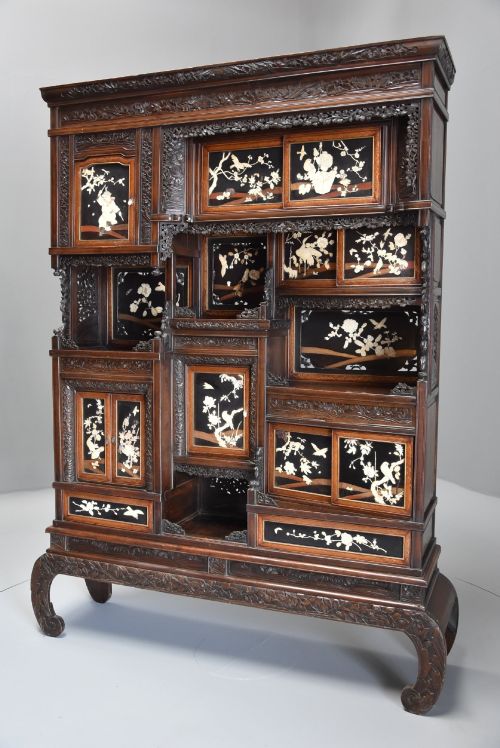
- A Japanese multi-tiered cabinet featuring staggered shelving units. These Meiji period pieces display intricate lacquer or hardwood carving.
- Bookcase
- A piece of furniture with horizontal shelves for storing books. Many examples from this period incorporate open fronts or glazed display doors.
Late 19th Century Shelves: Frequently Asked Questions
What woods were used for late 19th century shelves?
Makers constructed these pieces using a variety of timbers depending on the intended function and aesthetic. Mahogany, walnut, and oak appear frequently among the surviving examples.
Simpler wall-hanging tiers were also constructed from deal wood, pine, and cherry wood, sometimes finished with paint.
How do wall shelves differ from whatnots?
Wall shelves are designed to be mounted directly onto vertical surfaces to hold books or small decorative objects without occupying floor space. They often feature hanging brackets or shaped backboards.
Whatnots are freestanding pieces featuring multiple stacked platforms supported by turned or carved upright columns intended for room placement.
Are these shelves suitable for modern books?
Many open bookcases and shelf units from this period offer sufficient depth and sturdy timber construction to hold standard volumes. Some surviving examples even feature adjustable shelves for versatile spacing.
Buyers should examine the depth and weight capacity of individual tiers before storing heavy modern volumes.
What is an étagère?
An étagère is a decorative display piece featuring several open tiers designed specifically for ornaments and curiosities. These units often incorporate refined materials like ebonised wood and parcel gilding.
They reflect the Victorian taste for displaying collections within principal reception rooms.