



Late 19th Century Japanese Bronze
These late 19th century japanese bronze pieces bring remarkable Meiji period casting and patination into your home.
Late 19th Century Japanese Bronze
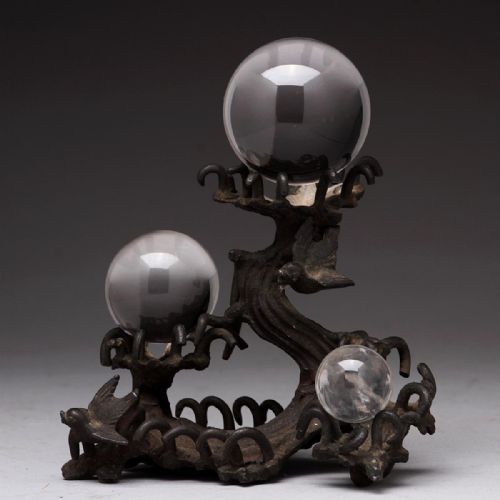
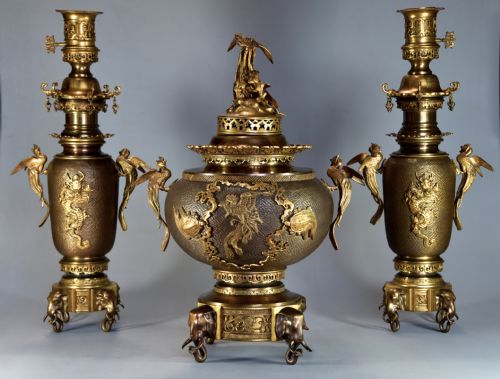
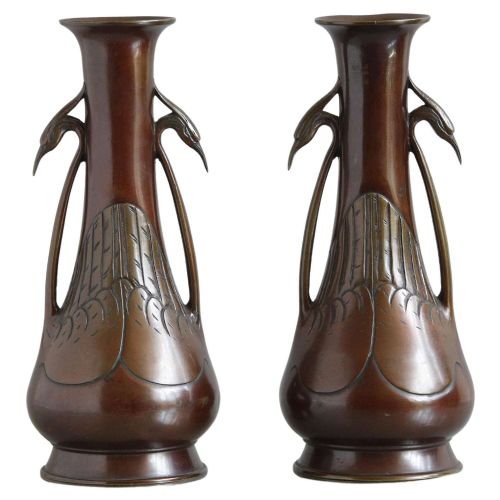
When you search for late 19th century japanese bronze, you encounter objects created during a transformative era of metalwork artistry. The pieces on this page span vases, planters, garniture sets, sculptures, okimono, and side tables.
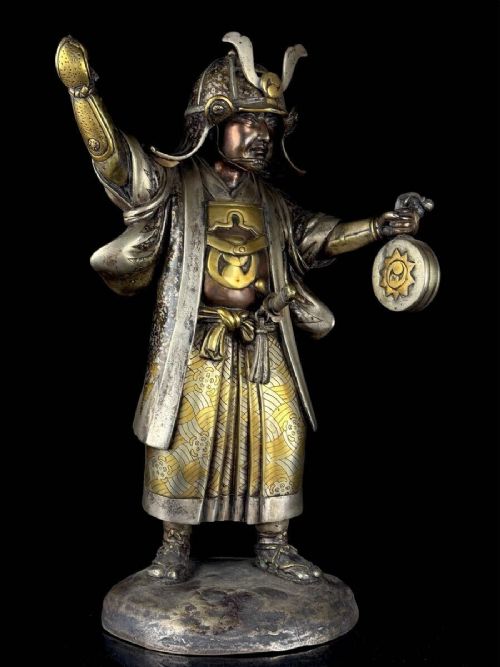
The most common versions you will meet include bronze vases featuring intricate animal decorations, figurative sculptures of subjects such as Ōishi Yoshio, and detailed okimono depicting rats or monkeys.
These items reflect the distinct aesthetic currents of the Meiji period and the European Japonisme movement. Makers utilised traditional techniques alongside Western influences, resulting in works that served both decorative and functional purposes in domestic spaces.
Materials and technique
Artisans employed bronze, patinated bronze, and gilt bronze, frequently combining these metals with gold, silver, and enamel detailing. Many vessels incorporate cloisonné enamel panels set within bronze frameworks.
Casting methods allowed for high relief decoration, evident in handles shaped as egrets and surface ornamentation depicting monkeys or natural motifs. Hardwood or wood elements occasionally support or accompany the metalwork, as seen in specialised tables.
Late 19th Century Japanese Bronze Retail Price Guide 2026
Typical asking prices for late 19th century japanese bronze among the pieces listed under this phrase on Sellingantiques today, from the lower quarter to the upper quarter. They describe what is for sale here now, not the wider market.
Among the bronze menagerie, a small rat clutches a chestnut with intense concentration.
Assessing quality
Quality in these works rests upon the crispness of the casting and the depth of the patination. Master metalworkers achieved varied surface tones through chemical treatments rather than mere paint.
Artistic execution separates standard production from exceptional pieces. The finest works demonstrate meticulous attention to anatomical detail in animal figures and precise application of inlaid silver or gold highlights.
Gabriel Viardot
The Late 19th Century Japanese Bronze Glossary
- Meiji Period
- The era in Japanese history spanning from 1868 to 1912. This period marked the rapid modernisation of Japan and a flourishing of decorative arts destined for export.
- Japonisme
- A Western artistic movement influenced by Japanese art and design, prominent in the late nineteenth century. European makers incorporated these aesthetic principles into furniture and metalwork.
- Okimono
- A Japanese ornamental statue or figurine designed for display on a shelf or tokonoma. These small sculptures often depict animals, legendary figures, or scenes from daily life.
- Cloisonné
- An enamelwork technique where metal wire creates compartments on a bronze base, which are then filled with coloured paste and fired. This method produced vibrant decorative patterns on vases and vessels.
Late 19th Century Japanese Bronze: Frequently Asked Questions
What is late 19th century japanese bronze?
These items comprise metalwork objects created in Japan during the late nineteenth century, primarily for export to Western markets during the Meiji period. They include vases, bowls, and animal figures.
Craftsmen used traditional casting and patination methods to produce works that appealed to European collectors influenced by Japonisme.
How were bronze vases used?
Vases and garniture sets served as prominent decorative ornaments within Victorian and Edwardian drawing rooms. They frequently held floral arrangements or stood alone as display pieces on mantelpieces and side tables.
Their substantial weight and decorative handles made them focal points for interior decoration.
How do I care for patinated bronze?
Maintenance requires minimal intervention to preserve the original surface patination. Dusting with a soft, dry cloth prevents the accumulation of grime without disturbing the metal finish.
Avoid using chemical polishes or water, as abrasive cleaning methods will damage the delicate patina and any gilt or silver highlights.
How can I tell Meiji period pieces apart?
Meiji period metalwork is distinguished by naturalistic animal depictions, signatures by individual artists or workshops, and sophisticated patination techniques. Pieces often combine bronze with cloisonné enamel or inlaid precious metals.
In contrast, European Japonisme items adopt these stylistic motifs but reflect Western manufacturing methods and attribution to firms like Gabriel Viardot.