


Late 19th Century Carving
Late 19th century carving brings together tactile wooden figures, ornate mirrors and sturdy furniture from the 1880s and 1890s.
Late 19th Century Carving
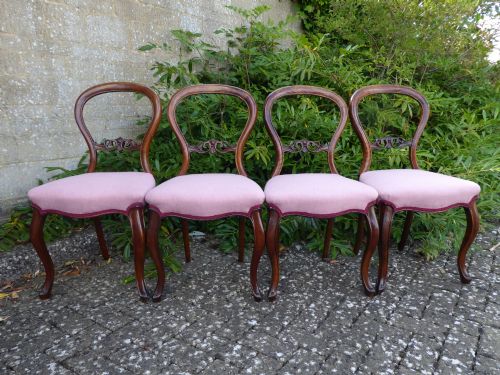
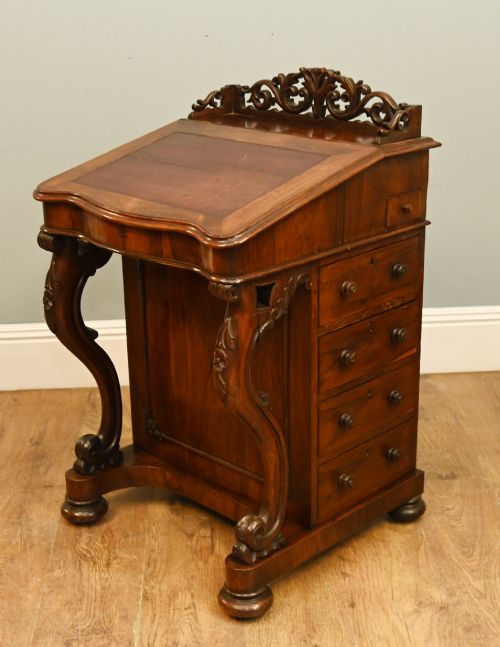
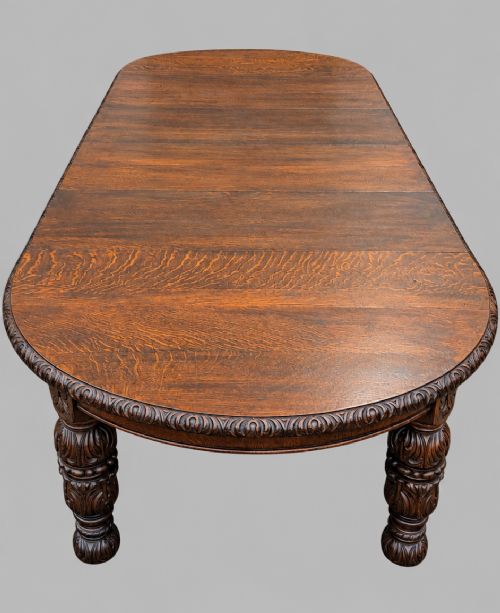
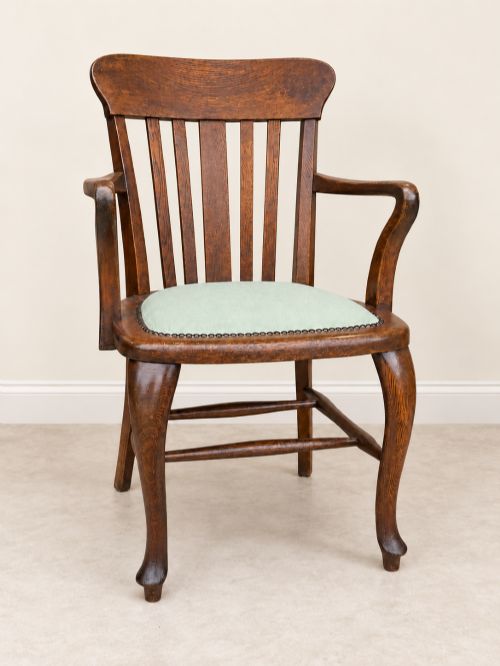
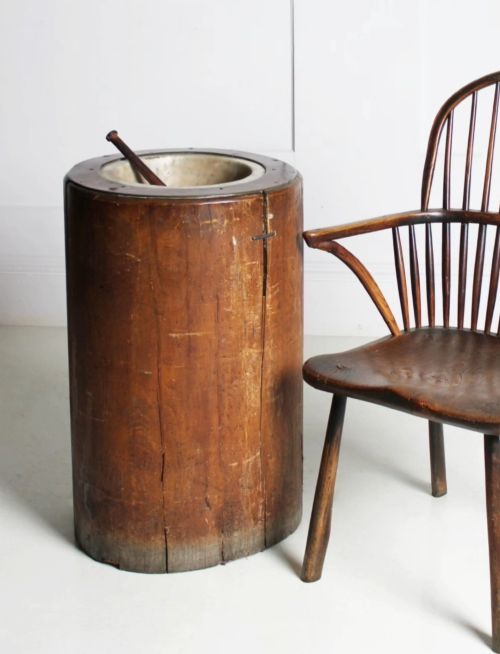
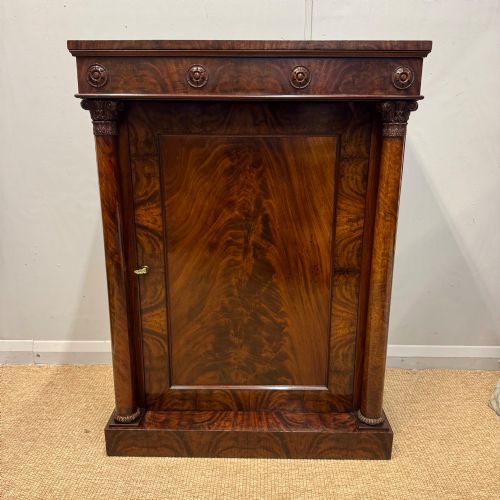
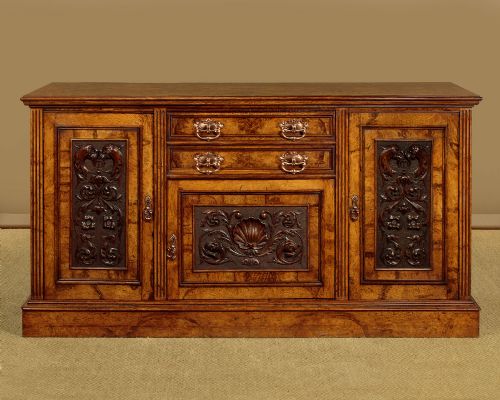
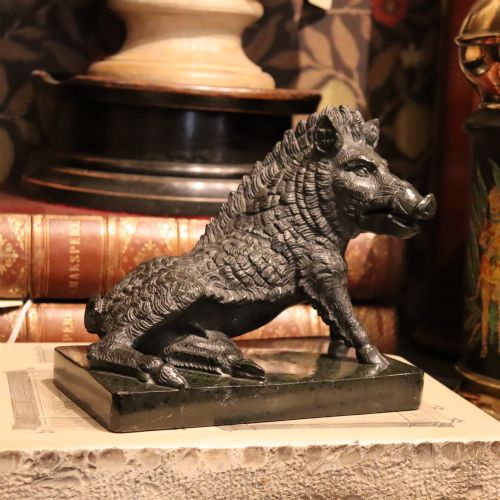
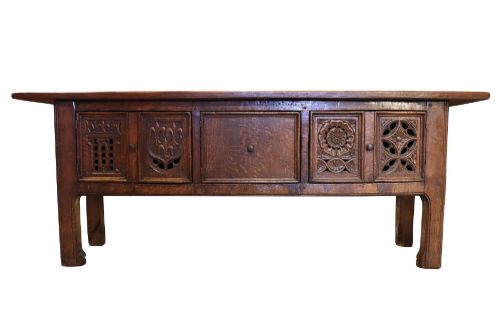
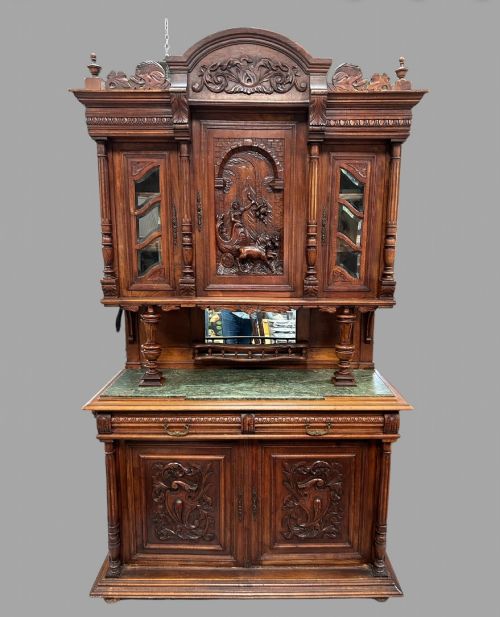
Late 19th century carving encompasses a diverse selection of items, ranging from Black Forest linden wood figures to intricate Chinese soapstone carvings and European oak furniture. Buyers searching for late 19th century carving will encounter domestic decorative objects alongside larger utilitarian forms like dressers, side tables and armchairs produced during the Victorian era and around 1890.
The objects span multiple stylistic revivals and geographic origins, including French Renaissance Revival, Gothic Revival and Qing Dynasty pieces. Most items originate from European workshops or Asian traditions, frequently utilising traditional motifs such as heraldic animals, floral patterns and figural groups.
Materials and construction
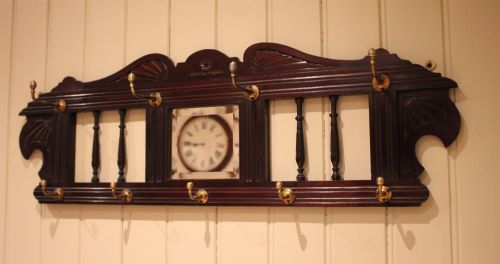
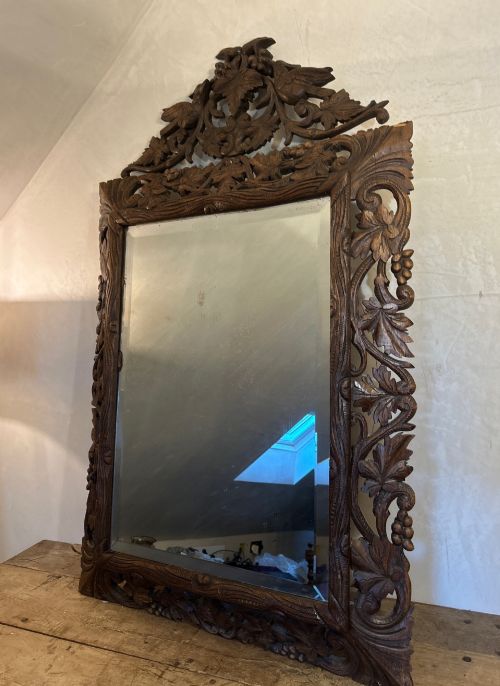
Makers utilised dense timbers such as oak, walnut, mahogany and linden wood, alongside exotic materials like white jade, soapstone, tortoiseshell and precious red coral. Craftsmen employed hand-chiselling and relief techniques to shape deep architectural mouldings and naturalistic animal or human figures.
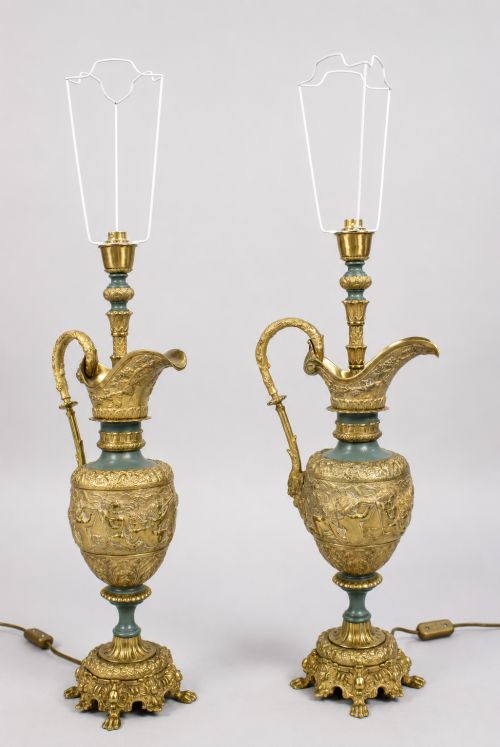
Surface finishes include giltwood, gesso, lacquer, and brass inlays. Joinery methods combined traditional pegged joints with turned elements and applied carved panels.
Objects span the Victorian era, 1880, 1890, and the Qing Dynasty.
Assessing quality and execution
The selection of raw materials also dictates the standard of the piece, with flawless grain patterns in hardwoods or uniform colour in stone and jade elevating the standing of the work. Maker marks, such as specific workshop stamps, further distinguish exceptional artisan output from standard commercial production.
The Late 19th Century Carving Glossary
- Giltwood
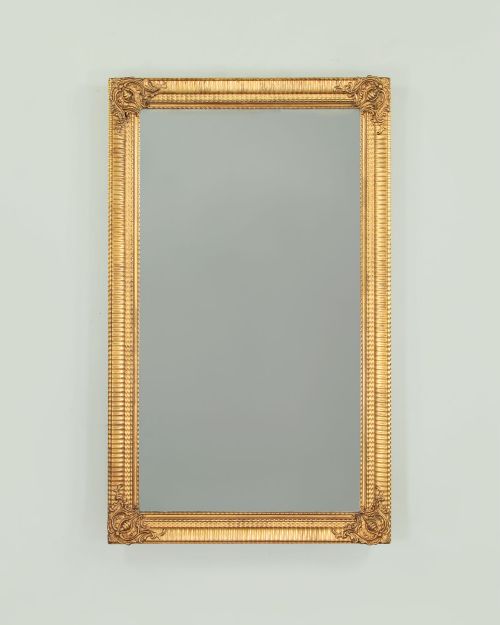
- Wood that has been coated with gold leaf or a gold-coloured metallic finish. This technique was frequently applied to ornate wall mirrors and decorative frames of the period.
- Gesso
- A plaster mix used as a base for paint or gilding on wooden surfaces. It allowed artisans to model intricate relief ornamentation before applying metallic leaf.
- Linden wood
- A pale, fine-grained timber favoured by European woodcarvers, particularly in the Black Forest region. Its uniform texture permits exceptionally detailed three-dimensional carving.
- Soapstone
- A soft, talc-based metamorphic rock easily shaped by hand. It was widely used in Chinese decorative sculptures and village scenes.
- Relief
- A sculptural technique where figures or patterns project from a flat background. High relief indicates elements standing well clear of the backing material.
Late 19th Century Carving: Frequently Asked Questions
What defines late 19th century carving?
Late 19th century carving includes decorative objects, figures, and structural furniture produced primarily between 1880 and 1900. These pieces often feature revival styles or regional Asian craftsmanship.
The items demonstrate a revival of historic design movements combined with meticulous hand-tooling in wood, stone, and metal.
How do I care for carved wooden antiques?
Keep wooden carvings away from direct sunlight and sudden temperature shifts to prevent timber splitting. Dust regularly with a soft, dry cloth.
Avoid commercial liquid polishes, using only traditional wax sparingly when the surface appears dry.
Where were these carved items made?
The pieces originate from diverse global centres, including British, French, and German workshops, alongside East Asian and Indonesian centres. European makers often worked in regional revival styles.
Asian pieces reflect traditional craftsmanship in jade, soapstone, and coral from the Qing dynasty and later periods.
How can I identify the period of a carving?
Examine the tool marks, timber selection, and stylistic revival cues that align with Victorian or 1890s manufacturing methods. Hardware, joinery, and backing materials also offer chronological clues.
Maker stamps or specific regional motifs further assist in confirming the date of execution.