


Late 19th Century Bedside
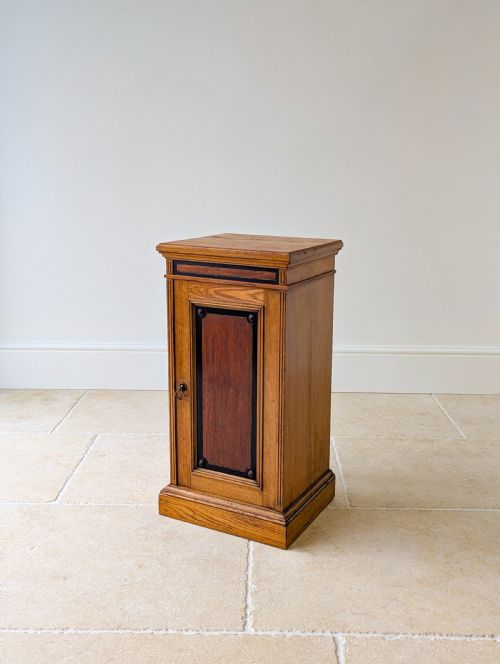
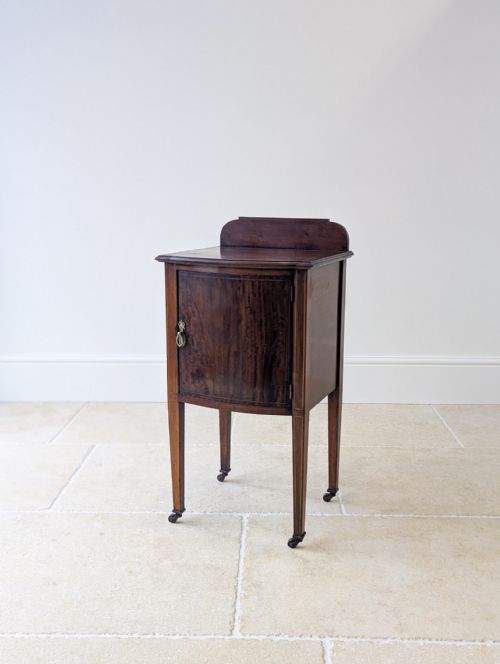
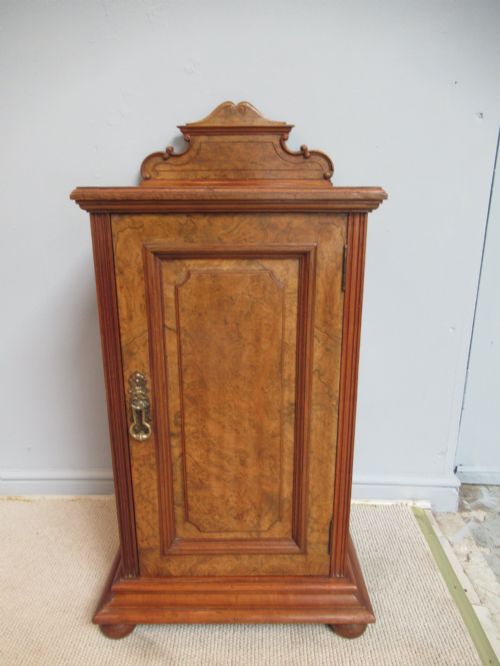
A late 19th century bedside piece brings functional elegance to a bedroom, offering compact storage and period character.
Late 19th Century Bedside
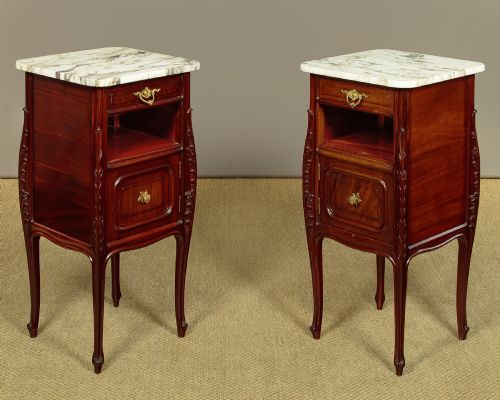
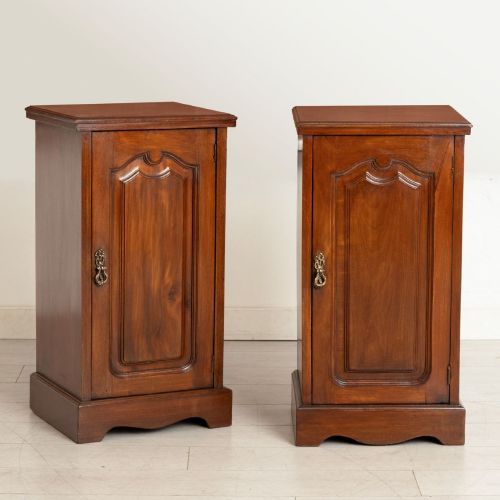
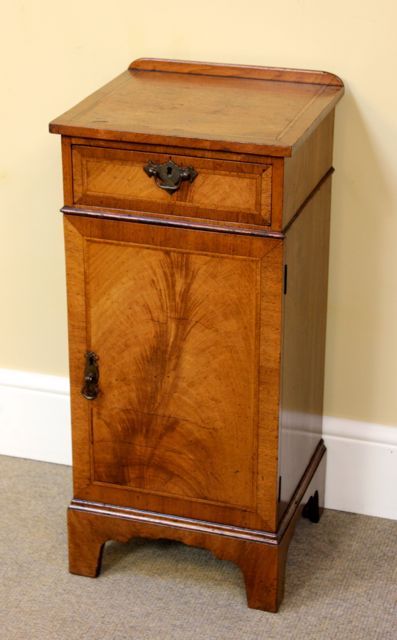
When searching for a late 19th century bedside piece, a buyer encounters a diverse selection of cabinets, cupboards, and occasional tables designed for the Victorian bedroom. These items originate predominantly from English and French workshops spanning the decades between 1870 and 1900.
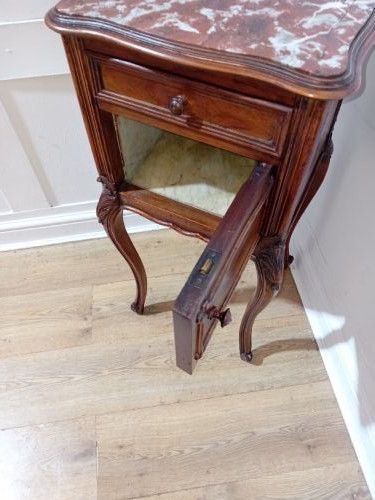
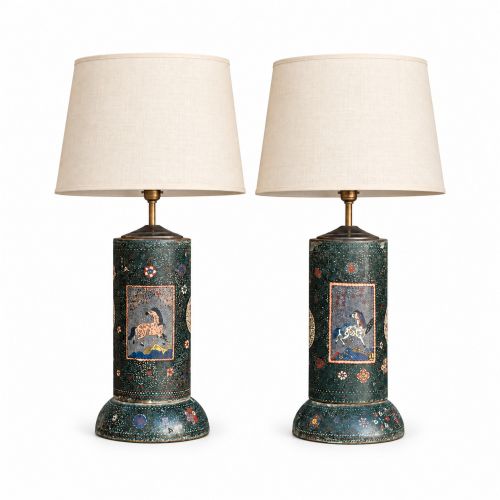
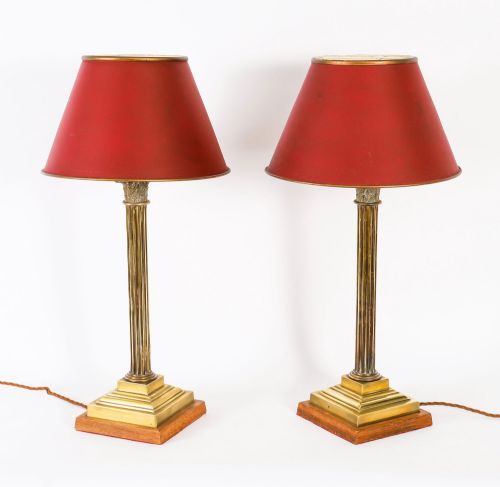
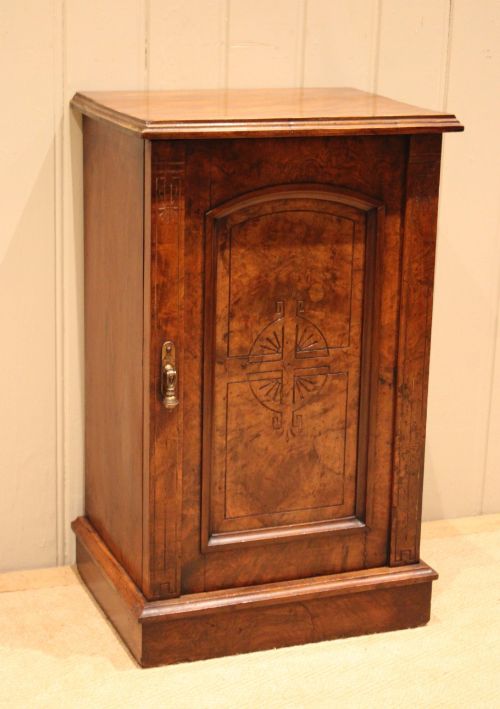
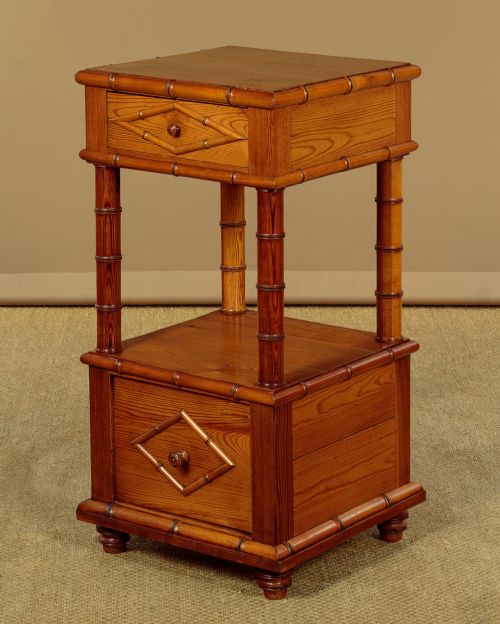
The inventory on this page consists heavily of bedside cabinets, commodes, and pot cupboards, alongside occasional table lamps and carriage clocks. Walnut and mahogany form the core of the furniture selection, often paired with contrasting marquetry or faux bamboo finishes.
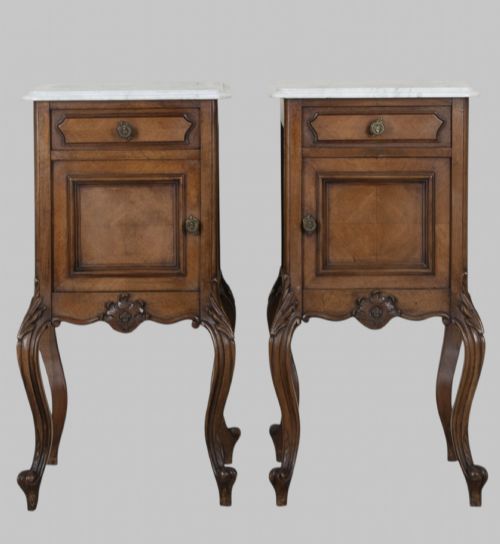
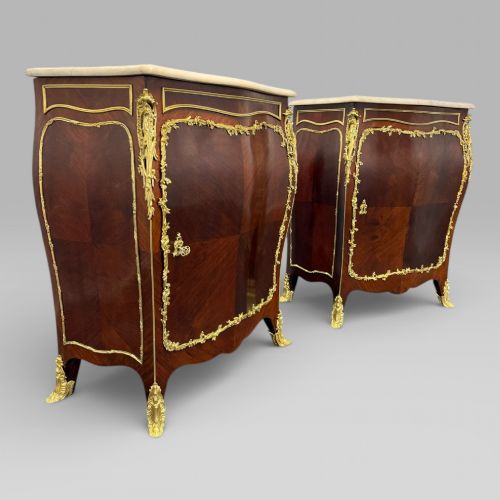
French influence runs deep through the selection, with Louis XV and Louis XVI revivals appearing alongside standard Victorian designs. Buyers will find both single cabinets and balanced pairs suitable for flanking a bed.
How they were made
Cabinet makers of this era utilised dense hardwoods such as walnut, mahogany, and kingwood as foundational structures. Marquetry and satinwood inlay frequently decorate the surfaces, creating intricate geometric or floral patterns.
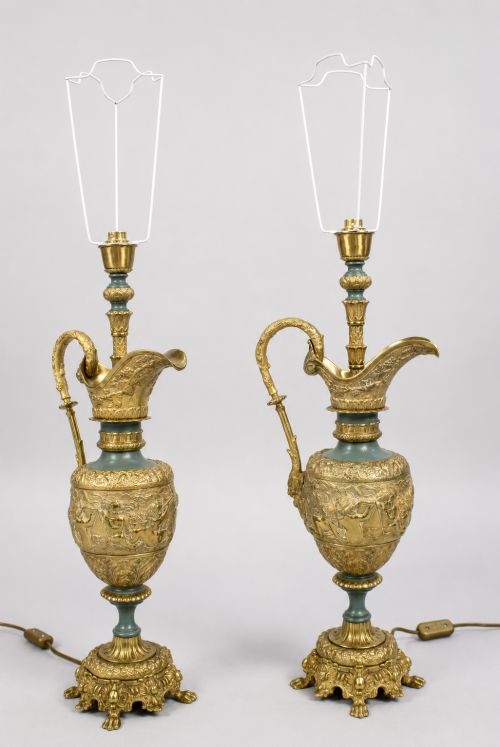
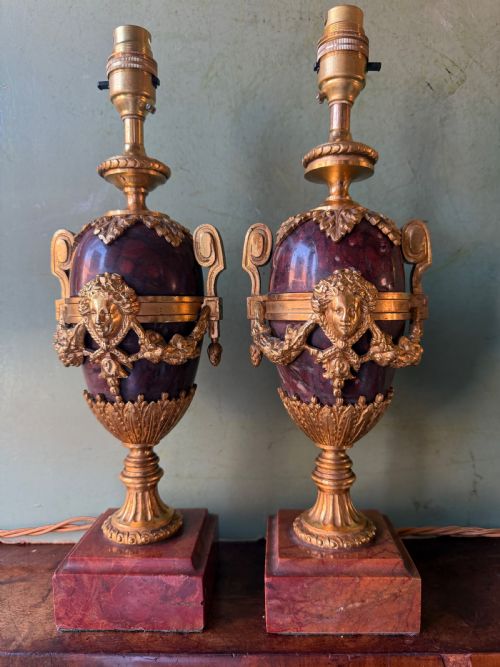
Marble tops, particularly in rouge and white varieties, provide durable and decorative working surfaces on French commodes and cabinets. Ormolu mounts and gilt brass fittings add ornamental detail to corners, handles, and lamp bases.
Secondary materials like brass, enamel, and porcelain appear on the associated table lamps and carriage clocks of the period. Construction techniques rely on traditional joinery methods appropriate for domestic bedroom furniture.
Late 19th Century Bedside Retail Price Guide 2026
Typical asking prices for late 19th century bedside among the pieces listed under this phrase on Sellingantiques today, from the lower quarter to the upper quarter. They describe what is for sale here now, not the wider market.
One clever cabinet pretends to be an exotic Asian grass by using carved faux bamboo.
What varies in quality
The refinement of the timber grain and the precision of the marquetry inlay dictate the tier of craftsmanship. Finer examples display meticulous attention to detail in the matching of wood veneers and the crispness of carved motifs.
Quality reveals itself in the substantial weight and finish of the ormolu mounts and marble tops. Superior pieces maintain original hardware and stable structural integrity without excessive modern intervention.
E. Kahn
The Late 19th Century Bedside Glossary
- Ormolu
- Gilded bronze or brass mounts applied to furniture and lamps for decoration. This technique is frequently seen in French revival pieces of the period.
- Marquetry
- Decorative veneer work arranged in intricate patterns across wooden surfaces. Craftsmen utilise different coloured woods to create pictorial designs.
- Commode
- A low chest of drawers or cabinet originating from French furniture forms. These pieces often feature marble tops and sophisticated veneer work.
- Faux bamboo
- Wood carved and painted to imitate natural bamboo stalks. This stylistic choice gained popularity during the late Victorian aesthetic movement.
- Kingwood
- A dense, richly figured exotic timber used extensively in high-end cabinet making. It provides a dark, contrasting background for marquetry details.
Late 19th Century Bedside: Frequently Asked Questions
What is a late 19th century bedside cabinet?
A late 19th century bedside cabinet is a small piece of bedroom furniture designed to hold a chamber pot or personal items, dating roughly between 1870 and 1900.
These compact cupboards typically feature a single door, an internal shelf, and a drawer, constructed from timbers like walnut or mahogany.
How do I identify a French revival bedside table?
French revival bedside tables from this era usually display Louis XV or Louis XVI stylistic traits such as curved cabriole legs or gilt bronze mounts.
Many of these cabinets also incorporate marble tops and elaborate marquetry work in kingwood and satinwood.
Were bedside cabinets originally sold in pairs?
While many cabinets were produced as individual pieces, matching pairs appear frequently in late Victorian and French furniture.
Pairs are particularly sought after for modern bedroom layouts to place symmetrically on either side of a bed.
How do I care for a marble top cabinet?
Marble surfaces require gentle cleaning with mild soap and warm water to avoid etching the stone with acidic liquids.
Using coasters and mats protects the polished top from moisture and potential staining over time.