







Large Wooden Plaque
A large wooden plaque commands attention on a wall, bringing rich texture, history, and carved detail into a room.
Large Wooden Plaque
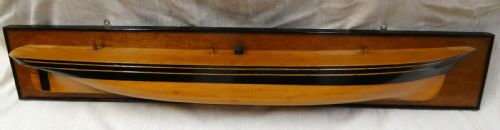
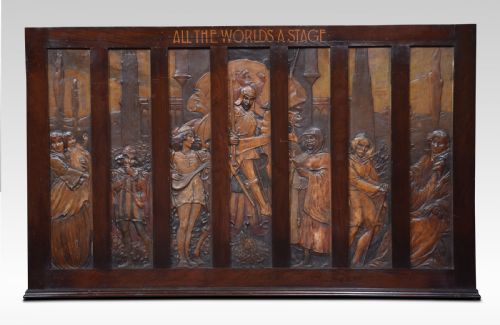
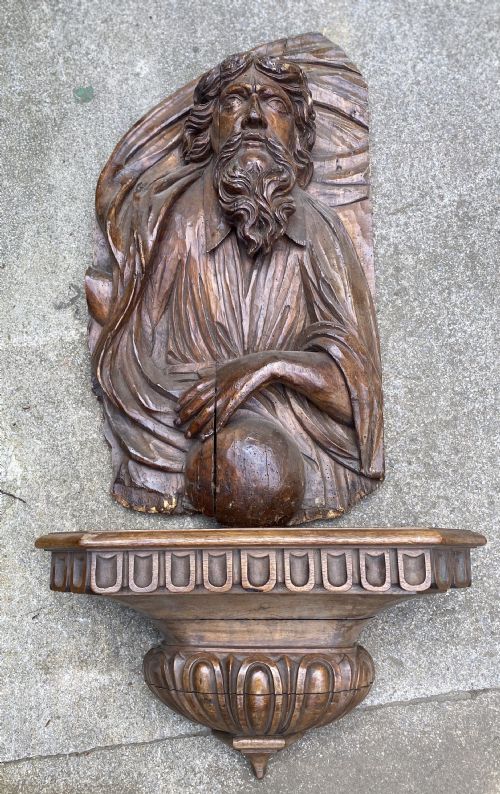
The selections on this page feature wall carvings, heraldic panels, and hunting trophies alongside maritime models and painted signs. Oak, walnut, pine, and carved wood dominate the forms, reflecting centuries of decorative traditions across European and global workshops.
Materials and construction methods
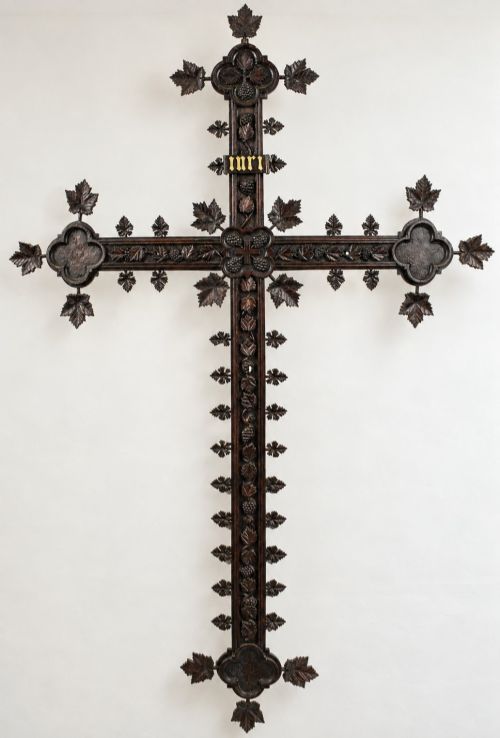
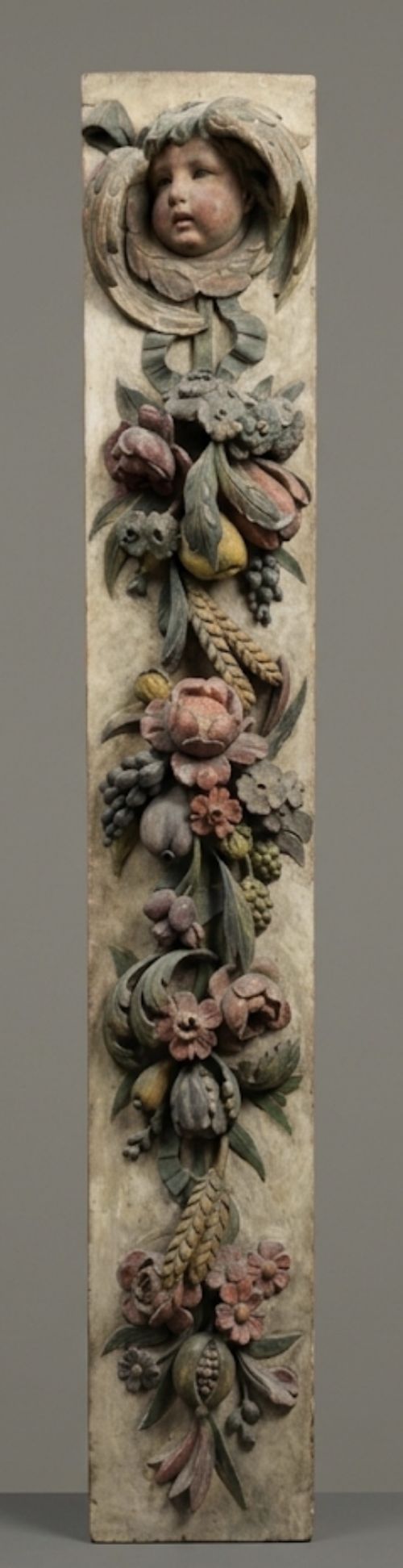
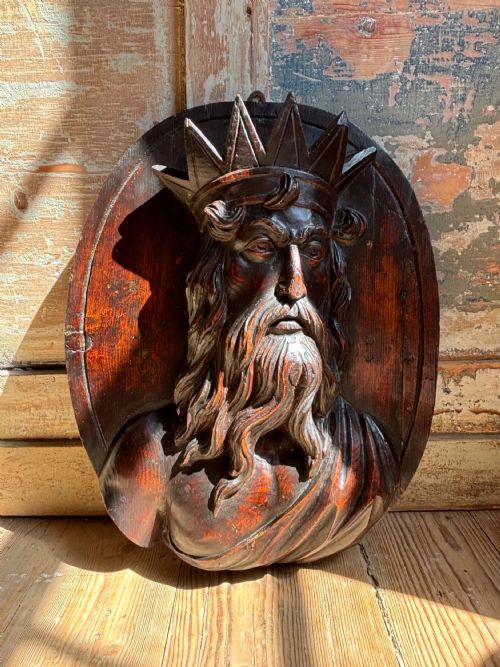
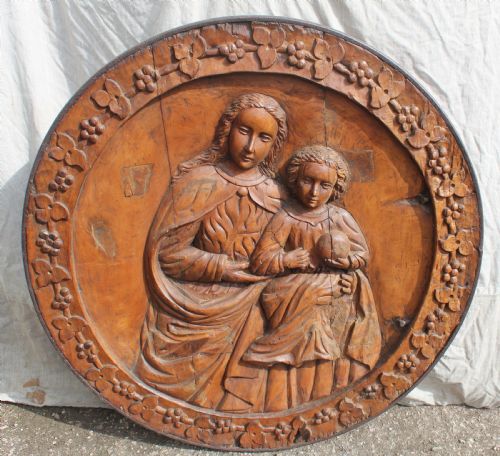
Carvers shaped these pieces using solid timbers such as oak, walnut, and pine, often applying paint, gesso, or polychrome decoration to the wooden surface. Master hands utilised traditional gouges and chisels to create deep relief carvings and wall masks.
Construction methods range from joined multi-panel architectural fragments to solid boards carved from a single log. Metal bindings, iron hardware, and applied mouldings frequently support the primary wooden structure.
Large Wooden Plaque Retail Price Guide 2026
Typical asking prices for large wooden plaque among the pieces listed under this phrase on Sellingantiques today, from the lower quarter to the upper quarter. They describe what is for sale here now, not the wider market.
Listings span multiple centuries, incorporating seventeenth-century figures, eighteenth-century Neptune reliefs, Victorian hunting trophies, and Edwardian painted pine signs.
Evaluating craftsmanship and condition
Depth of carving and anatomical precision separate standard decorative panels from masterworks of wall sculpture. Crisp undercut details in Black Forest hunting trophies or seventeenth-century figures show superior artistic control over flat or hurried execution.
The integrity of the timber and the preservation of original paint or gesso surfaces dictate the character of each piece. Surviving polychrome colour and stable joints outweigh minor age-related shrinkage in defining a distinguished object.
The Large Wooden Plaque Glossary
- Gesso
- A plaster-like mixture applied to wood as a base for painting or gilding. It provides a smooth surface for detailed polychrome decoration.
- Polychrome
- The practice of decorating architectural elements or wooden sculptures in a variety of colours. This technique enhances the visual depth of carved panels.
- Relief carving
- Sculpture where figures project from a background plane. High relief creates strong shadows and three-dimensional presence on a wall plaque.
- Black Forest
- A regional style of wood carving originating from central Europe known for naturalistic animals, hunting motifs, and foliage. These pieces often feature bears, stags, and game birds.
- Heraldic panel
- A carved or painted wooden board displaying armorial bearings or crests. Such panels frequently commemorated important families or civic institutions.
Large Wooden Plaque: Frequently Asked Questions
What is the difference between an architectural panel and a wall plaque?
Architectural panels originally formed part of a room's interior woodwork, such as wainscoting, church altars, or furniture fronts. Wall plaques were conceived specifically as independent decorative art for display.
Both types function similarly as wall hangings today, though architectural fragments carry distinct structural joinery from their original context.
How should I clean a historic carved wooden plaque?
Dust the carved surfaces gently with a soft, dry brush to remove particulate matter from deep recesses. Avoid using water, domestic polishes, or chemical cleaners that might lift aged paint or dry out the timber.
Maintaining stable indoor humidity prevents the wood from warping or cracking over time.
How do I distinguish eighteenth-century carvings from later revival pieces?
Eighteenth-century carvings typically exhibit tool marks consistent with hand gouges and period joinery methods appropriate to oak or walnut. Revival pieces often display machine-sawn backing boards or surface treatments designed to mimic genuine age.
Examining the back and edges reveals the manufacturing techniques and timber preparation characteristic of specific historical eras.