

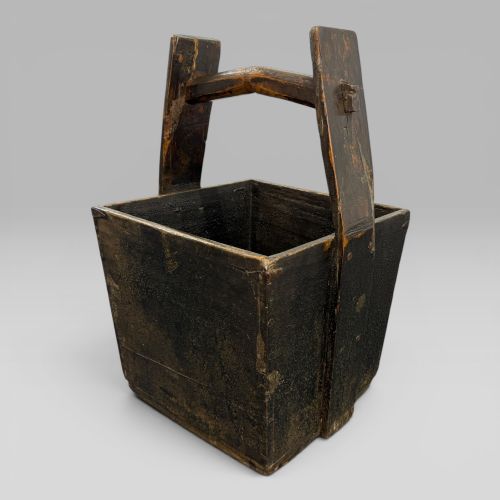
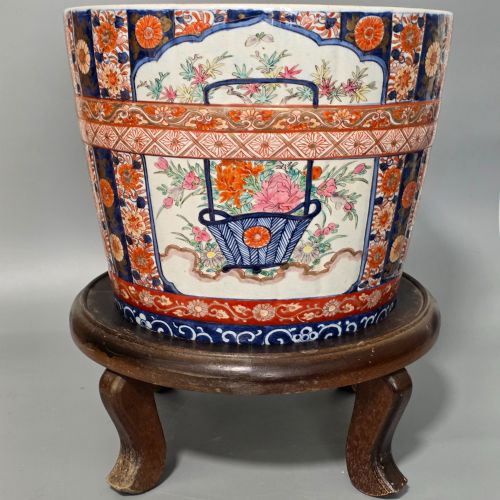


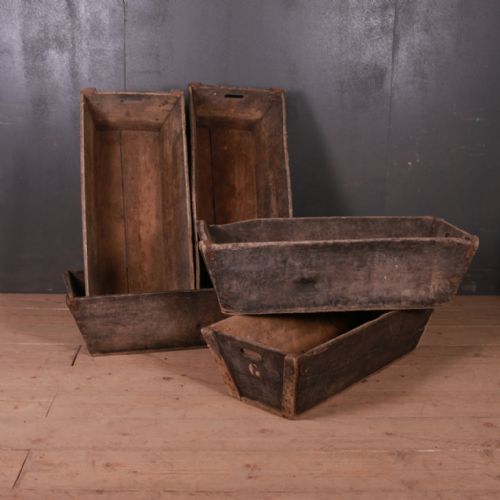


Large Wooden Planter
A large wooden planter brings organic warmth and deep character to a room or garden, rooted in centuries of practical vessel-making.
Large Wooden Planter
When you search for a large wooden planter, you encounter a diverse group of repurposed vessels, ranging from Georgian wine coolers and Victorian stick stands to Chinese harvest baskets and European storage barrels. These pieces shift fluidly between functional utility and decorative presence, drawing on a rich heritage of cooperative craftsmanship and country trade. The most common survivors on this page are coopered oak and pine barrels, elm harvest baskets, and mahogany wine coolers adapted over time for botanical display.
Originating across domestic, agricultural, and international workshops, these large wooden planters reflect distinct regional aesthetics from English Georgian drawing rooms to Scandinavian country farmsteads and Meiji period Japan. Their forms dictate their modern application, whether holding a large parlour palm in a turned teak jardinière or standing by a hearth as a fireside store. Each piece carries the patina of its former work, marked by the handling of generations and the natural ageing of timber.
How they were made
The construction of these vessels relies heavily on traditional coopering, where seasoned staves of oak, teak, pine, or mahogany are shaped, fitted, and bound together with iron or brass hoops. This skill allowed wooden barrels and wine coolers to hold liquids or damp soil securely without the use of modern adhesives. Artisans also turned solid hardwoods on lathes or carved them by hand from single blocks of elm and walnut, as seen in mortars and harvest baskets.
Metal and ceramic accents frequently complement the primary timber structure, introducing contrasting textures of cast brass handles, zinc linings, and porcelain inserts. Surfaces were often left with a natural waxed finish, hand-carved details, or simply weathered through decades of exposure in gardens and country houses. The integration of these disparate materials speaks to a utilitarian economy where strength and longevity governed every design choice.
Large Wooden Planter Retail Price Guide 2026
Typical asking prices for large wooden planter among the pieces listed under this phrase on Sellingantiques today, from the lower quarter to the upper quarter. They describe what is for sale here now, not the wider market.
Current listings span the 18th, 19th, and early 20th centuries, uniting materials as diverse as porcelain, zinc, elm, oak, and brass.
What varies in quality
The distinction between ordinary utility items and exceptional pieces rests upon the integrity of the timber selection and the refinement of the joinery. Superior examples feature dense, well-figured hardwoods like mahogany and satin walnut, or tight-grained oak with hand-hammered brass fittings that have aged in harmony with the wood. Lesser pieces may display coarse repairs or replacement hoops that detract from the original harmony of the maker's intent.
Proportion and decorative ambition also divide the range, separating straightforward agricultural containers from sophisticated salon vessels designed by skilled cabinetmakers. Pieces that retain their original stands, liners, or distinctive carved motifs command greater interest because their context remains intact. Quality here is measured by the survival of original surfaces and the structural honesty of the vessel.
The Large Wooden Planter Glossary
- Coopered
- Built by a cooper using curved wooden staves bound together by metal or wooden hoops. This technique forms the watertight body of barrels, buckets, and wine coolers.
- Jardiniere
- A decorative ornamental pot or stand for holding plants and flowers, often manufactured from porcelain, brass, or fine wood. These vessels frequently feature waterproof linings to protect the surrounding furniture.
- Wine cooler
- A large vessel originally designed for chilling bottles at the dining table during the eighteenth and nineteenth centuries. Their deep timber forms make them readily adaptable as large planters.
- Mortar
- A heavy bowl-shaped vessel carved from a solid block of hardwood, traditionally used for pounding grain or herbs. Their thick walls and substantial weight suit them well to contemporary botanical use.
- Stave
- One of the narrow vertical strips of wood that form the sides of a coopered barrel or bucket. The careful tapering of each stave creates the characteristic bulging profile of the vessel.
Large Wooden Planter: Frequently Asked Questions
Can I plant directly into antique wooden planters?
Many antique wooden planters lack modern synthetic drainage or protective linings, meaning direct planting can introduce moisture that accelerates rot in old timber. Using a separate inner nursery pot or a fitted metal liner preserves the interior wood while keeping your plants healthy.
Period pieces such as wine coolers or harvest baskets were rarely engineered for damp soil contact. Treating the interior with care ensures the structural stability of the coopered staves remains uncompromised.
Are these planters suitable for outdoor garden use?
While some robust pine storage barrels and rustic country vessels spent their lives outdoors, many fine hardwood items were strictly indoor salon or dining furnishings. Exposing delicate mahogany or polished walnut to modern weather will rapidly degrade the finish.
Evaluating the original context helps determine placement, as pieces designed for domestic interiors prefer sheltered porches or interior garden rooms. Stoutly hooped oak barrels handle sheltered patio conditions far better than carved decorative vessels.
What is the difference between a bucket and a jardiniere?
Buckets generally derive from utilitarian roots, such as well buckets or harvest containers, featuring strong iron handles and sturdy staves built for hard labour. Their aesthetic is robust and direct.
Jardinieres are explicitly decorative vessels created for display, often incorporating turned feet, brass mounts, or refined wood veneers like satin walnut. They are designed to frame botanical specimens within polite domestic spaces.