
Large Wooden Library Bookcase
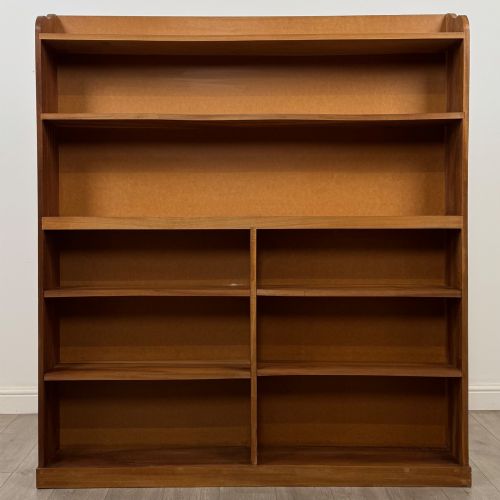
A large wooden library bookcase brings serious scale and warm timber presence to a room, offering vast display and storage space for substantial collections.
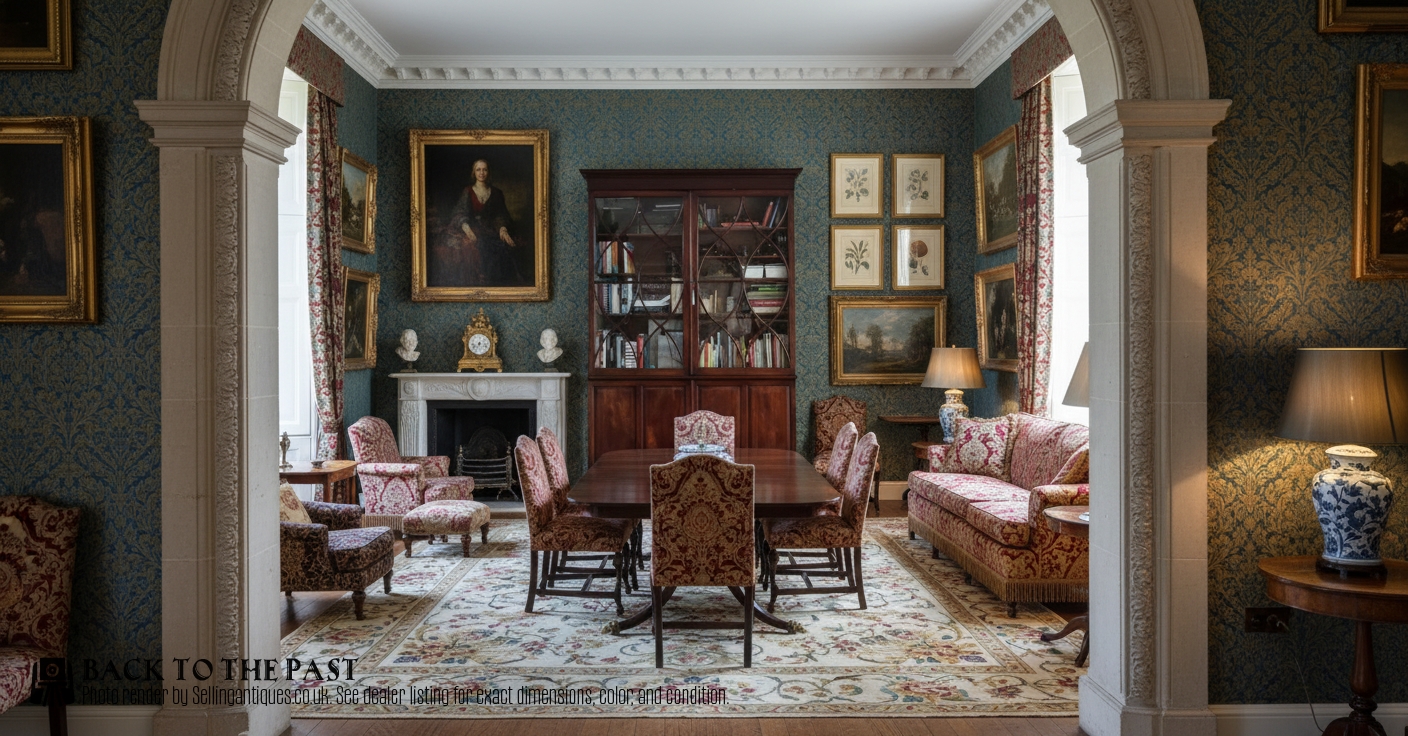
Large Wooden Library Bookcase
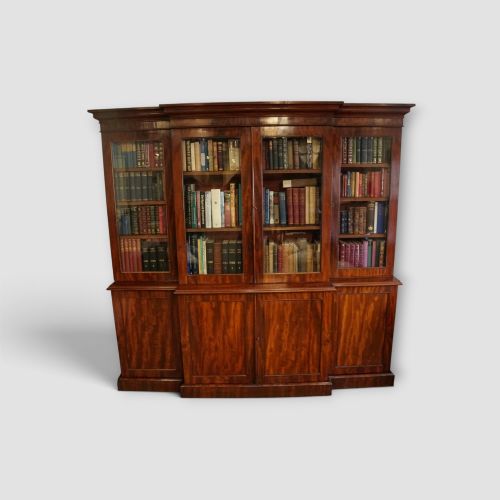
A large wooden library bookcase is a formidable piece of furniture designed to house extensive collections of volumes in domestic or institutional settings. These items emerge primarily from the nineteenth century and the Edwardian era, spanning periods such as the Victorian epoch and around nineteen-ten.
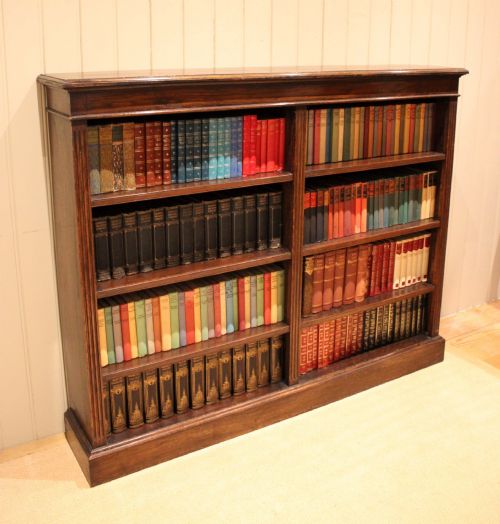
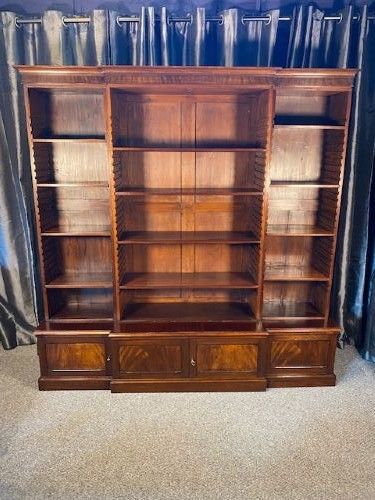
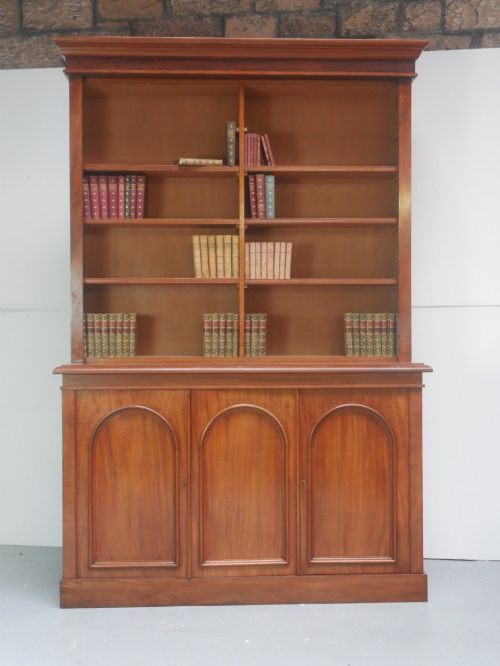
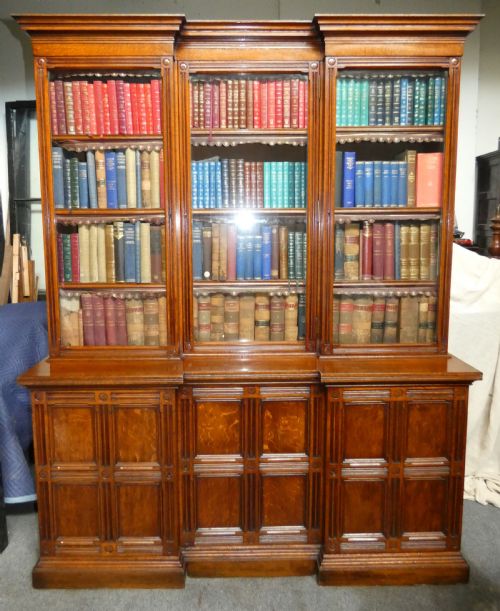
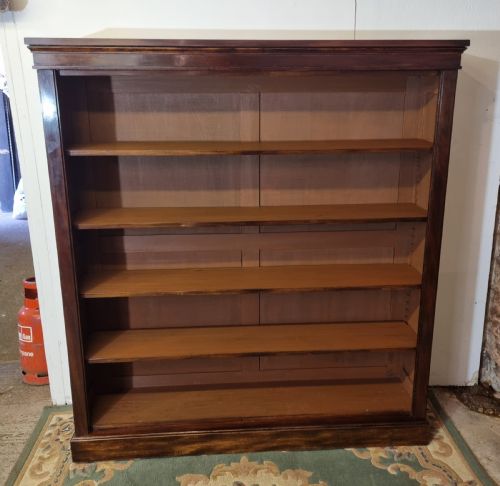
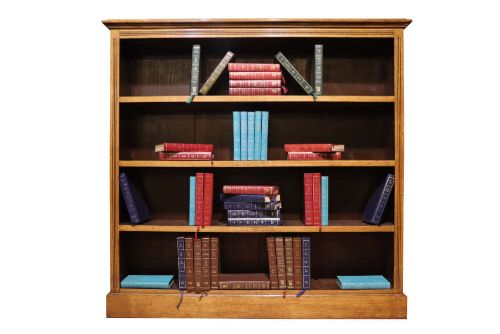
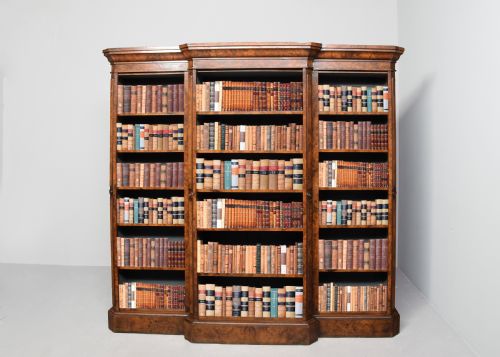
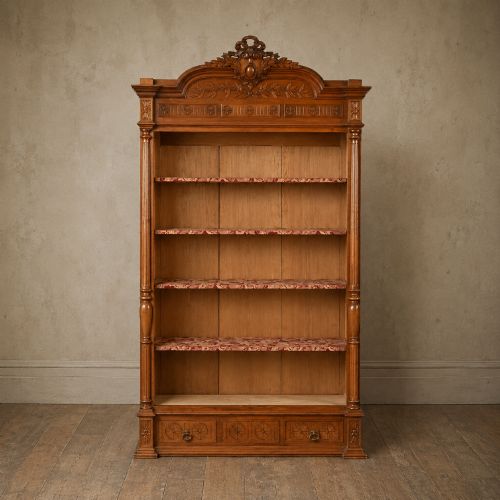
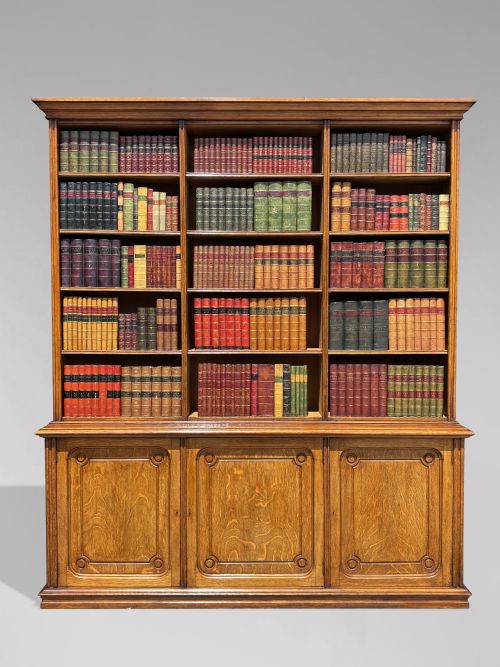
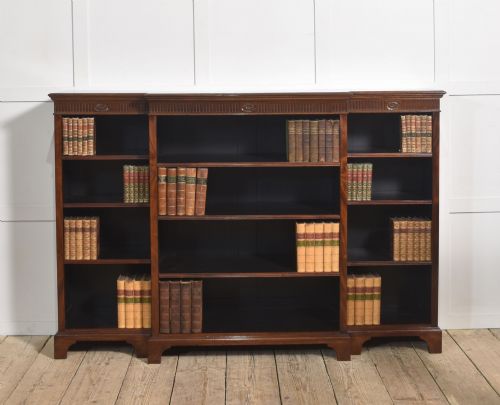
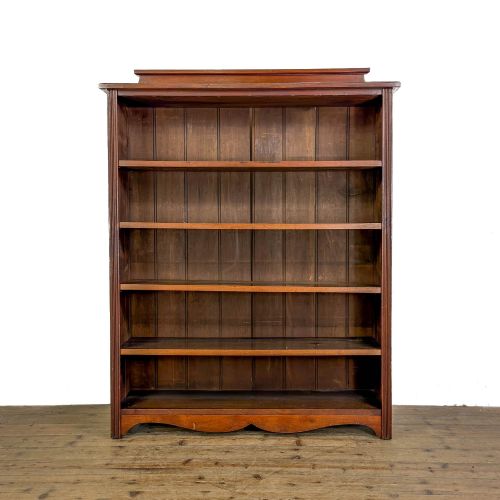
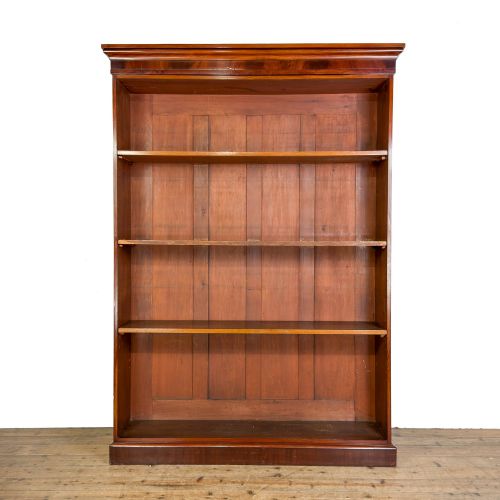
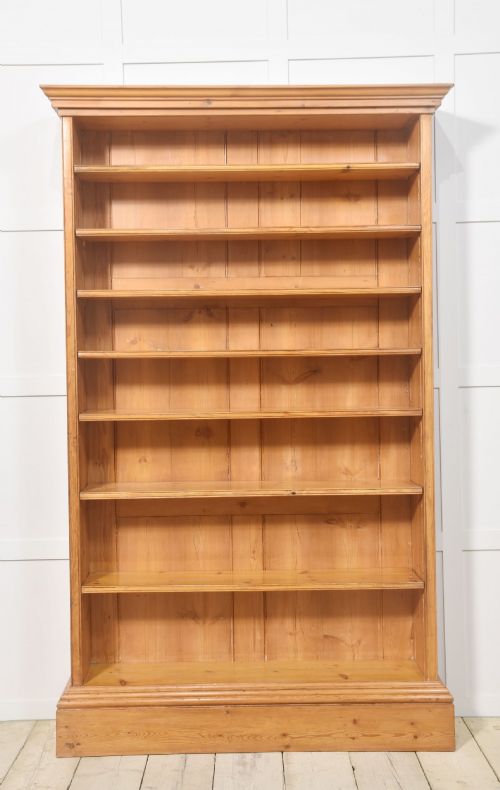
Buyers encountering this selection will frequently meet open-front formats alongside breakfront configurations and enclosed cabinets. Forms range from towering oak structures to expansive walnut and mahogany editions, often featuring adjustable shelving to accommodate varying book heights.
What varies in quality
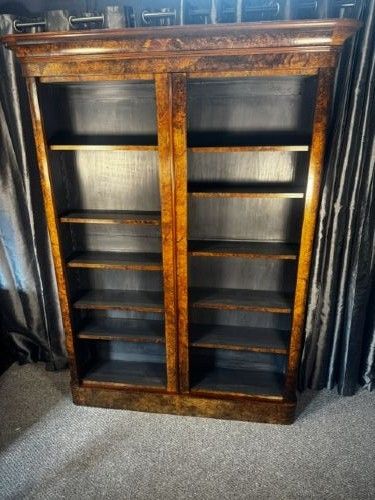
The standard of timber selection and decorative execution largely defines the grading of these bookcases, moving from plain utility pine up to finely figured burr walnut and birdseye maple. Superior examples display thoughtful proportions, elaborate carvings, and sophisticated architectural styling such as Georgian influences or French Empire details.
Joinery execution and the refinement of internal fittings, including the precision of adjustable shelving systems, mark the distinction between standard workshop output and exceptional cabinet making.
One exceptional nineteenth-century map of craftsmanship includes a piece specifically documented as designed by Sir Charles Barry for Kiddington Hall.
The Large Wooden Library Bookcase Glossary
- Breakfront
- A cabinet design where the central section projects forward from the flanking wings. This configuration adds architectural depth and structural prominence to large library furniture.
- Open bookcase
- A shelving unit without glazed or solid doors, allowing direct access to the contents. These pieces emphasise functional utility and immediate visibility of book bindings.
- Burr walnut
- A veneer harvested from the gnarled growths of walnut trees, prized for its swirling grain patterns. It appears frequently on high-status Victorian and mid-nineteenth-century library pieces.
- Adjustable shelves
- Internal boards that can be moved vertically to accommodate books of differing heights. This practical feature appears regularly across nineteenth and twentieth-century library furniture.
- Deal wood
- A general term for softwood timber, typically fir or pine, utilised for secondary framing or more utilitarian large bookcases.
Large Wooden Library Bookcase: Frequently Asked Questions
Where should I place a large bookcase?
These imposing timber pieces require a substantial wall with stable environmental conditions, away from direct heat sources and strong sunlight that might dry out the wood.
Adequate floor strength is also necessary given the combined weight of the heavy wooden structure and hundreds of heavy volumes.
How do I adjust the shelves?
Most period library editions utilise traditional wooden support racks, metal pegs, or slotted pilasters set into the interior sides.
Carefully lift each shelf clear of its supports and reposition the pins or pegs into the desired slot before lowering the board back into place.
Are these bookcases suitable for modern homes?
Their grand scale makes them ideal focal points for studies, large living rooms, or home offices requiring significant storage capacity.
Selecting an open-front oak or mahogany model helps soften the visual weight compared to heavily glazed or enclosed cabinet variations.
How do I tell Victorian from Edwardian pieces?
Victorian examples, dating from the mid to late nineteenth century, often feature deeper, richer mahogany or burr walnut tones and heavier carved ornamentation.
Edwardian pieces, emerging around nineteen hundred, frequently showcase lighter golden oak finishes and simpler, airier proportions influenced by transitional revival styles.