



Large Wooden Lamp
A large wooden lamp anchors a room with sculptural presence, combining substance and warmth through carved timber and period proportion.
Large Wooden Lamp
A large wooden lamp brings architectural scale and natural grain to interior spaces, appearing across various historical periods and regional styles. Buyers seeking a large wooden lamp will encounter standard floor models, table designs, and torchiere forms carved from walnut, oak, teak, and giltwood. These pieces often originate from nineteenth-century workshops, early twentieth-century revivals, and eighteenth-century English traditions.
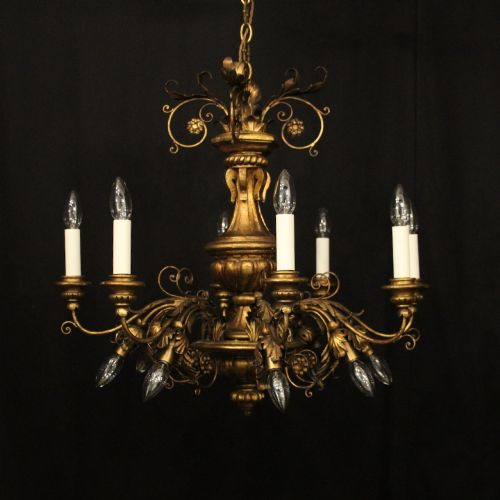
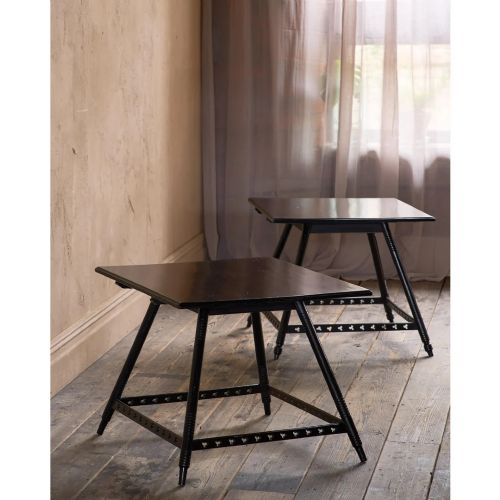
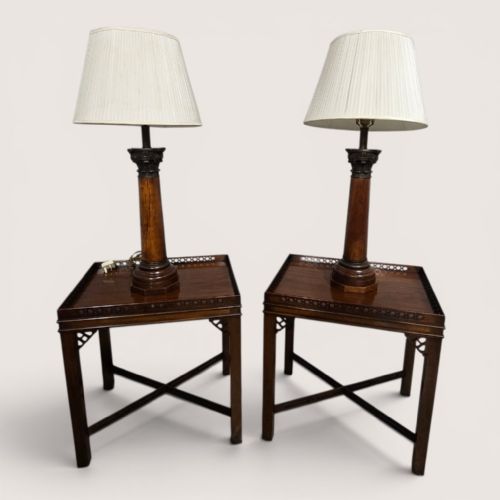
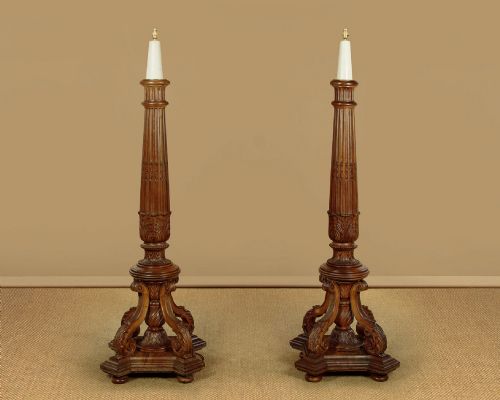
The selection on this page ranges from matched pairs of walnut standard lamps and oak Corinthian columns to more unusual figural pieces and carved Chinese dragons. Side lamp tables and folding teak items demonstrate how lighting and furniture frequently combined in domestic interiors. Originating from English, Florentine, Anglo-Indian, and Chinese sources, these items display distinct regional craftsmanship spanning several centuries.
How they were made
Craftsmen shaped these items using dense hardwoods like walnut, oak, mahogany, and teak, often employing turning, joinery, and detailed hand carving. Surfaces frequently received specialist treatment, including ebonising, gilding, or marbleising to imitate costlier materials or enhance the decorative scheme.
Metal components such as brass fittings and gilt details were integrated into the timber structures to provide structural support or decorative contrast. Carvers utilised chisels and gouges to produce intricate surface decoration, ranging from classical Corinthian capitals to figurative elements and serpentine dragon motifs.
Large Wooden Lamp Retail Price Guide 2026
Typical asking prices for large wooden lamp among the pieces listed under this phrase on Sellingantiques today, from the lower quarter to the upper quarter. They describe what is for sale here now, not the wider market.
What varies in quality
The distinction between standard examples and superior pieces rests upon the crispness of the carving and the selection of the timber. Finely figured walnut and dense, well-seasoned oak provide a tactile depth that lesser timbers simply do not achieve.
Construction methods and surface preservation dictate the overall integrity of the piece. Original gilding, intact ebonising, and robust joinery separate exemplary items from those with compromised structural frames or heavily renewed surfaces.
The Large Wooden Lamp Glossary
- Torchiere
- A tall stand designed to support a light source or candelabrum. These pieces often feature elaborate carving and elevated vertical proportions.
- Standard Lamp
- A heavy floor-standing lighting fixture designed to illuminate a larger area of a room. This form relies on a stable base and a vertical shaft.
- Ebonised Wood
- Timber treated with a dark finish to imitate ebony. This technique was popular in nineteenth-century cabinet making for dramatic contrast.
- Giltwood
- Timber coated with a thin layer of gold leaf or gold paint. This treatment catches ambient light and denotes decorative elaboration.
- Corinthian
- An architectural order characterised by ornate capitals decorated with acanthus leaves. This classical style frequently appears on columns and pedestals.
Large Wooden Lamp: Frequently Asked Questions
What periods do these lamps come from?
The pieces span from the eighteenth century through the nineteenth century and into the early decades of the twentieth century. Examples include William IV designs alongside later Edwardian and 1930s interpretations.
Craftsmanship and decorative motifs reflect the prevailing aesthetic of each specific era, ranging from Baroque severity to Aesthetic Movement details.
How were these large lamps used historically?
Large wooden lamps and torchieres provided ambient or task lighting in substantial reception rooms and parlours. Some designs doubled as side tables or folding furniture to maximise domestic utility.
Their substantial height and weight ensured they remained stable floor or table fixtures within grand domestic interiors.
Are these items sold in pairs?
Many listings include matched pairs of standard lamps or table fixtures, while others are offered as single, unique items. Pairs provide symmetrical balance for interior placement.
Single items typically feature distinct sculptural forms, such as figural carvings or dragon torchiere designs intended to function as focal points.
What woods are commonly found?
Walnut, oak, mahogany, and teak form the structural foundation for the majority of these pieces. Hardwood selection dictated the durability and potential for detailed carving.
Secondary treatments like ebonising and gilding altered the natural timber appearance to suit contemporary tastes.