




Large Wooden Dresser Cabinet
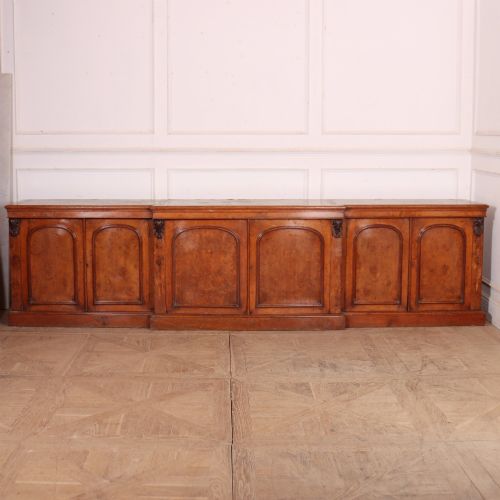
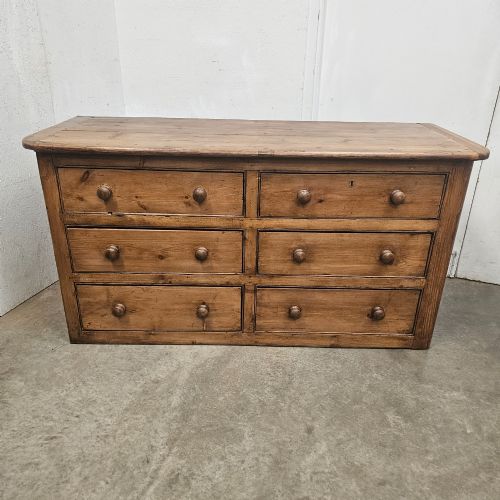
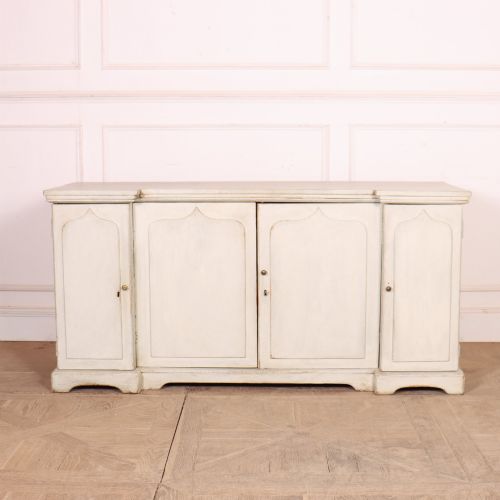
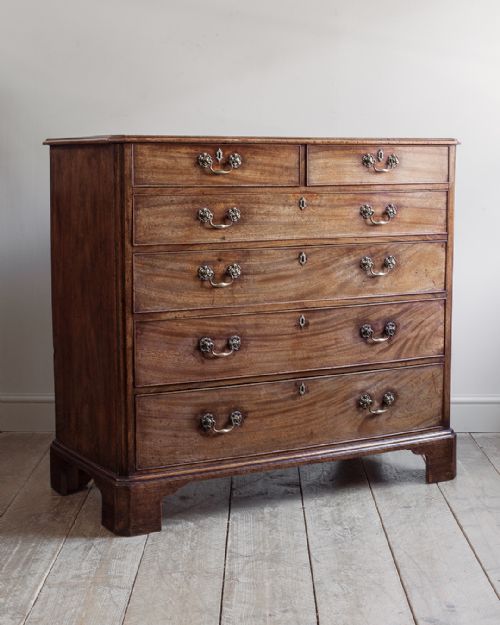
A large wooden dresser cabinet grounds a room with scale and storage, spanning centuries of practical design.
Large Wooden Dresser Cabinet
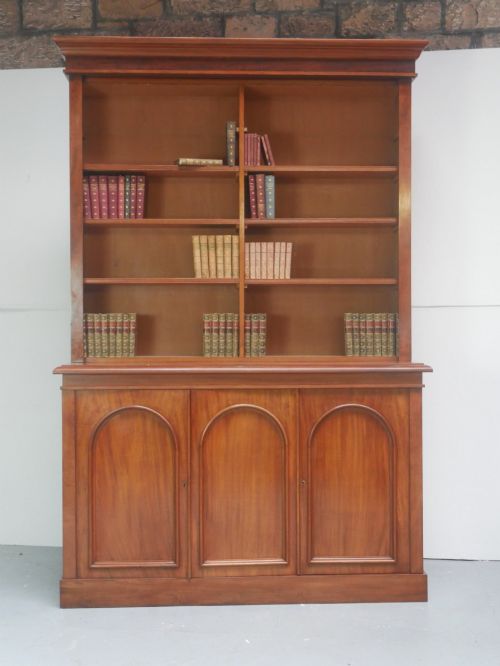
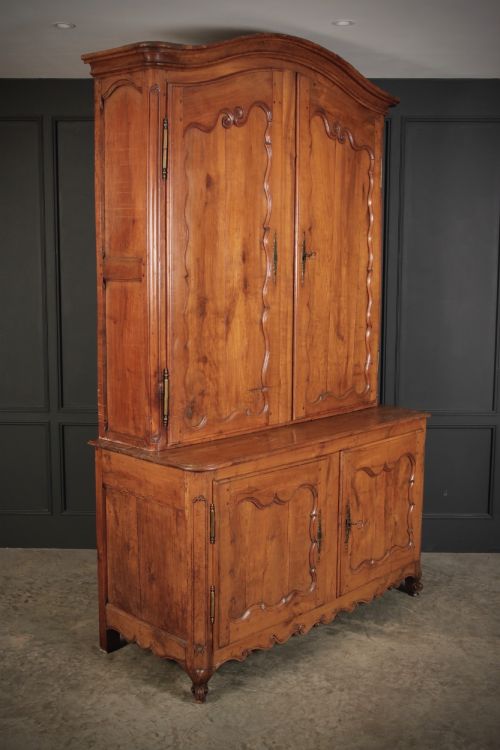
A large wooden dresser cabinet brings substantial storage and display to domestic spaces, drawing from traditions established across the eighteenth and nineteenth centuries. These pieces encompass kitchen dressers, breakfront base units, and library bookcases that served working houses and formal rooms alike.
The versions most frequently met on this page belong to the Victorian era and the eighteenth century, constructed primarily in mahogany, oak, and pine. Formats range from English country dressers with open plate racks to robust sideboards and housekeeper cupboards designed for heavy household service.
How they were made
Makers utilised solid timbers including oak, mahogany, cherry wood, and pine, often enhancing finer surfaces with flame mahogany veneer or walnut. Construction relied on traditional joinery techniques, dovetailed drawer boxes, and panelled doors built to withstand daily domestic use over generations.
Hardware and decorative details incorporated brass handles, carved motifs, mother of pearl inlay, and glass panel doors. Surfaces received hand-finished treatments such as painted finishes, bleached oak processing, or polished clear coats to highlight the natural grain of the wood.
Large Wooden Dresser Cabinet Retail Price Guide 2026
Typical asking prices for large wooden dresser cabinet among the pieces listed under this phrase on Sellingantiques today, from the lower quarter to the upper quarter. They describe what is for sale here now, not the wider market.
A school art department cabinet from the 1930s shares floor space here with Georgian oak bookcase furniture.
What varies in quality
Quality rests on the selection of timber and the ambition of the original design, distinguishing utilitarian kitchen storage from architectural library bookcases or reception room sideboards. Superior pieces employ figured veneers, substantial mouldings, and balanced proportions that reflect the hand of skilled cabinet makers.
The integrity of the construction and the retention of original brass hardware, glass panels, and interior shelving determine the standing of an individual piece. Lesser examples show simpler secondary woods and straightforward pine construction intended purely for pantry or scullery utility.
Howard and Sons·Maple & Co
The Large Wooden Dresser Cabinet Glossary
- Breakfront
- A piece of furniture where the central section projects forward from the flanking wings. This architectural arrangement creates depth and visual interest on large sideboards and bookcases.
- Dresser base
- The lower portion of a kitchen or dining dresser, typically featuring a combination of drawers and cupboards beneath a solid working top. It functions independently as a low sideboard or serving surface.
- Housekeeper cupboard
- A large storage cabinet originating in large country houses, designed to store linens, preserves, and household goods. These pieces are characterised by expansive panelled doors and deep internal shelving.
- Tallboy
- A tall chest of drawers consisting of one chest stacked upon another, often incorporating a wardrobe or cabinet section at the top. This form maximises vertical storage space in bedrooms.
- Court cupboard
- An antique enclosed storage cabinet featuring upper and lower tiers, often richly carved in oak. Originating in earlier periods, these pieces served to display plate and store valuables.
Large Wooden Dresser Cabinet: Frequently Asked Questions
What is a large wooden dresser cabinet used for?
These large cabinets provide extensive storage and display space for dining rooms, kitchens, and libraries. They house tableware, books, and household linens while anchoring the room with architectural presence.
Historically, utilitarian versions stored dry goods and kitchen utensils, whereas formal mahogany sideboards and breakfronts displayed silver and accommodated dining service.
How do I identify an 18th century piece?
Eighteenth-century pieces typically display deep patination on native timbers like oak and mahogany, with hand-cut dovetails and pegged joinery. Construction methods reflect pre-industrial hand tools and slower workshop traditions.
Look for proportions typical of the Georgian period, timber shrinkage appropriate to age, and secondary woods consistent with the region of manufacture.
Where were these cabinets placed in a home?
Kitchen dressers and scullery cupboards remained in working areas of the house for food preparation and storage. Formal sideboards, breakfronts, and library bookcases stood in dining rooms, parlours, and studies.
Large storage units adapted to the changing needs of domestic interiors, moving from service rooms to principal living spaces over time.
How do I care for antique wood furniture?
Maintain stable humidity and temperature levels in the room to prevent timber from splitting or warping. Avoid placing large wooden cabinets in direct sunlight or near heat sources.
Dust regularly with a dry cloth and apply traditional beeswax sparingly to nourish the polished wood surface without building up residue.