







Large Wooden Display
A large wooden display piece brings volume and presence to a room, holding books, models or objects with architectural weight.
Large Wooden Display
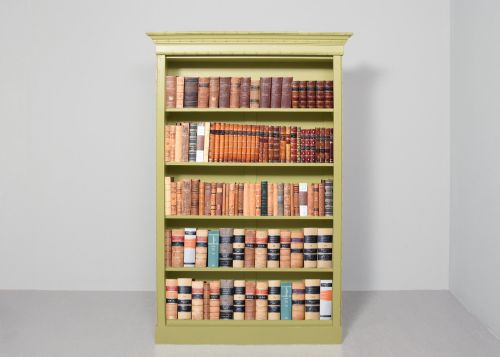
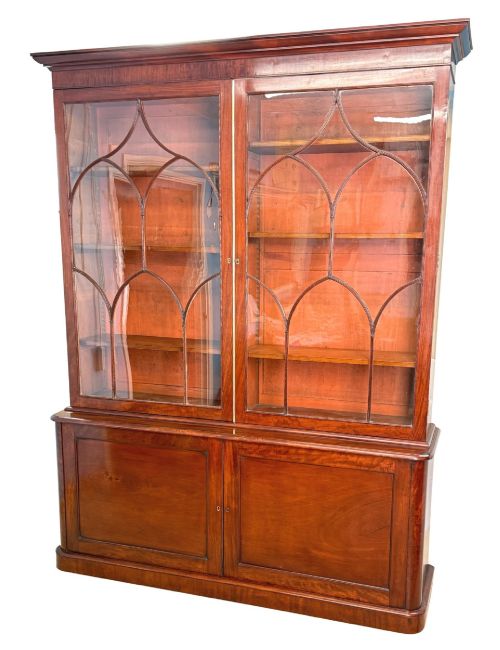
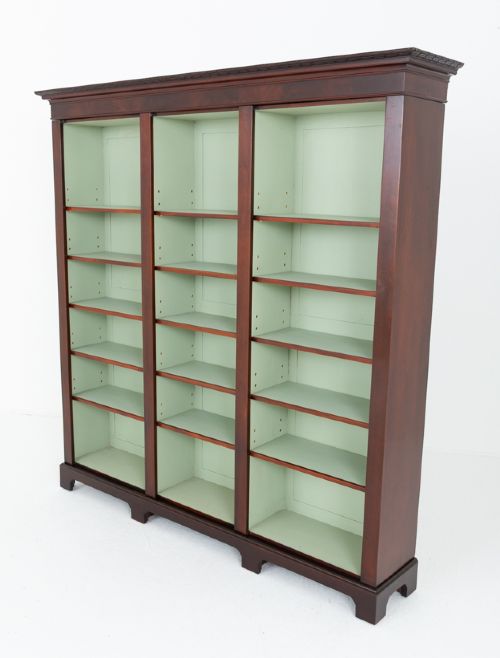
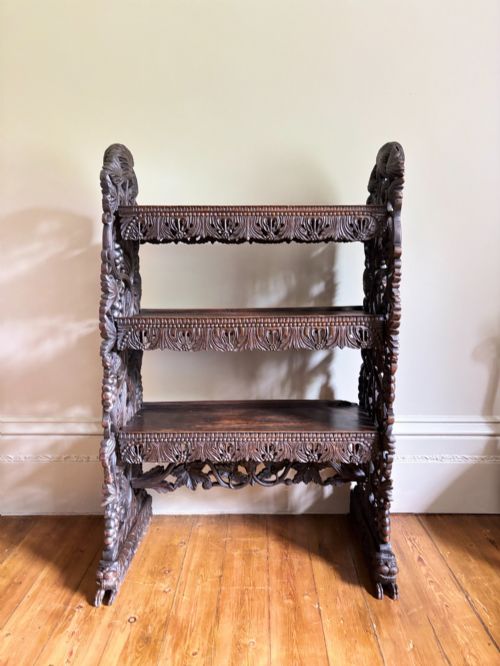
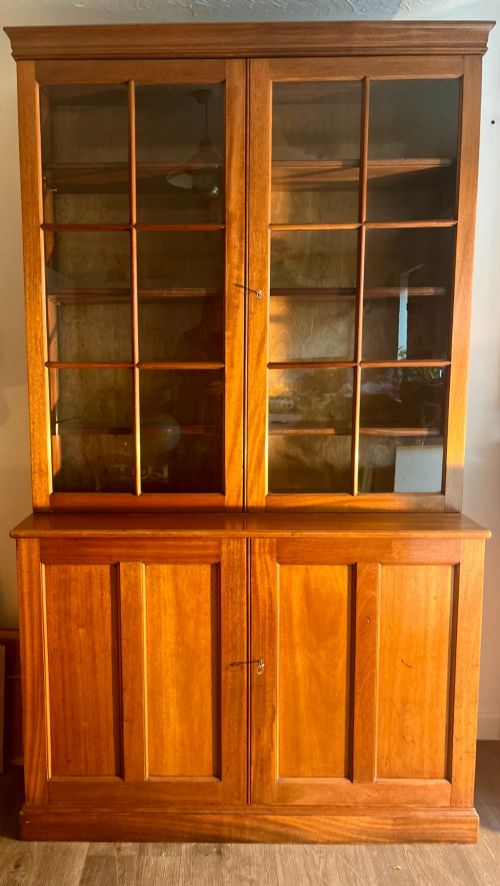
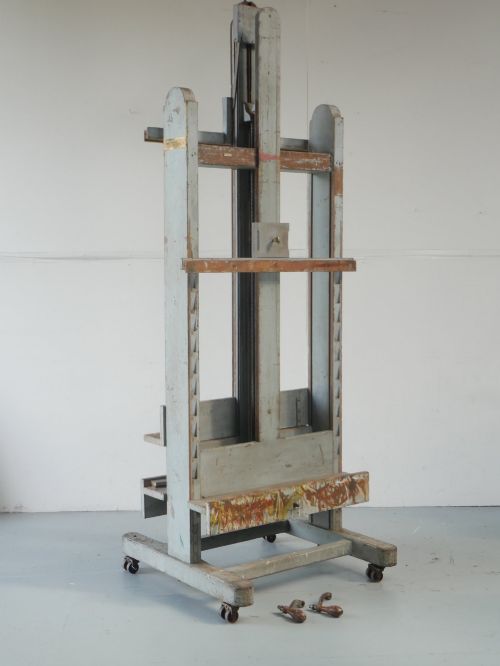
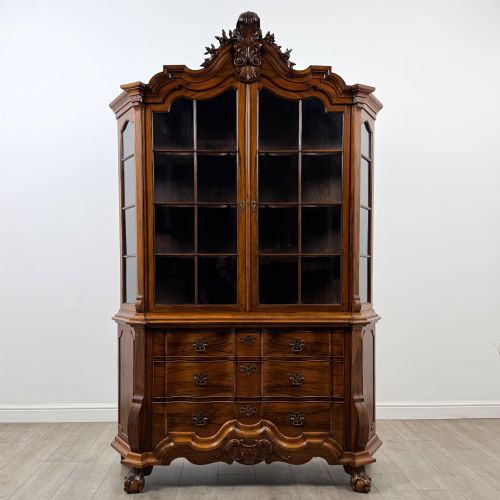
When searching for a large wooden display, buyers encounter substantial items built for utility and visual impact, spanning the nineteenth and early twentieth centuries. These pieces encompass open library bookcases, studio artists' easels, shop counters, and glazed display cabinets originating from British, French, and Dutch workshops.
Cabinets and dressers also appear, utilising glazed doors or open shelving to present collections. Each item retains the sturdy construction necessary for decades of holding heavy volumes or curiosities.
Materials and construction methods
Makers relied on dense hardwoods such as mahogany, oak, walnut, and pine, selecting timber for strength and grain pattern. Burr walnut and birdseye maple veneers provided decorative surfaces on breakfront bookcases and cabinets.
Joinery involved traditional techniques including dovetailing for drawers and mortise and tenon joints for structural frames. Brass hardware, glass panes, and iron screw threads completed pieces designed for heavy daily use.
Large Wooden Display Retail Price Guide 2026
Typical asking prices for large wooden display among the pieces listed under this phrase on Sellingantiques today, from the lower quarter to the upper quarter. They describe what is for sale here now, not the wider market.
An eight-foot pond yacht stands ready to sail across your parquet.
Distinctions in quality and execution
Quality rests in the selection of timbers and the precision of the cabinetwork, distinguishing standard utility furniture from pieces commissioned for country houses. Finely figured veneers, hand-carved mouldings, and integrated adjustable shelf systems separate superior examples from plain pine counterparts.
Proportion and scale dictate the success of large furniture, where balanced breakfront facades or robust studio easels demonstrate the maker's architectural competence. Original glass, working brass mechanisms, and untouched patination elevate an item's integrity.
Sir Charles Barry
The Large Wooden Display Glossary
- Breakfront
- A cabinet or bookcase where the central section projects forward from the flanking outer sections. This arrangement creates depth and visual rhythm across long facades.
- Adjustable shelves
- Shelving supported by movable pegs, ratchets, or brass tracks that allow custom spacing for books of varying heights. This practical system became standard in nineteenth-century libraries.
- Studio easel
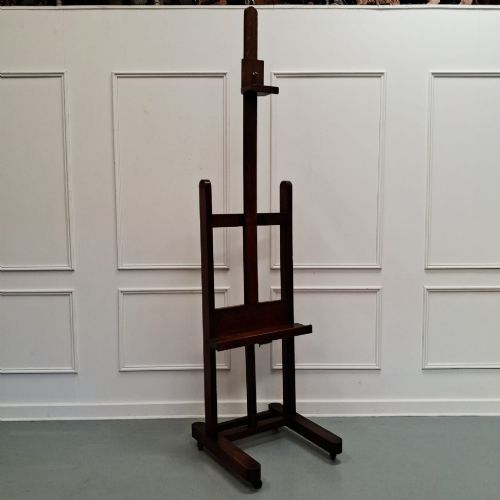
- A heavy wooden stand utilised by artists to support large canvases, featuring crank handles or ratchet mechanisms for height adjustment. These sturdy frames often double as display stands.
- Bombe base
- A swelling, convex contour found on the lower portion of continental cabinets and chests. This curved profile requires skilled timber shaping.
- Burr walnut
- Wood taken from the gnarled growths of a walnut tree, yielding complex, swirling grain patterns used for decorative veneering. Cabinetmakers prized it for high-status furniture.
Large Wooden Display: Frequently Asked Questions
How do I choose the right bookcase?
Consider the ceiling height and floor space available in your room, keeping in mind that nineteenth-century pieces often reach substantial heights. Measure your largest volumes to ensure the adjustable shelves can accommodate them properly.
Look at the depth of the shelves and whether you require open access or glazed doors to protect fragile collections. Solid hardwoods like mahogany and oak will support heavy loads without sagging over time.
Can I adjust the shelves easily?
Most Victorian and Edwardian bookcases on this page feature adjustable shelving systems utilising wooden ratchets, brass studs, or slotted uprights. These mechanisms allow you to reposition boards to suit different book sizes.
Take care when sliding shelves along older wooden tracks to avoid catching the surrounding veneer. Gentle cleaning of the grooves helps maintain smooth adjustment.
Where were studio easels used?
Large studio easels were constructed for artists and academies to support heavy canvases during painting sessions. Their robust frames and mechanical crank handles allowed effortless height changes for standing work.
Today, these substantial wooden structures serve as display stands for large artworks, mirrors, or decorative panels in domestic and commercial interiors.
How do I care for antique wood?
Keep wooden display pieces away from direct sunlight and strong heat sources to prevent the timber and veneers from drying out. Dust regularly with a dry cloth and apply occasional high-quality beeswax to nourish the finish.
Avoid using silicone-based polishes, which build up over time and dull the natural lustre of nineteenth-century French polish and wax surfaces.