

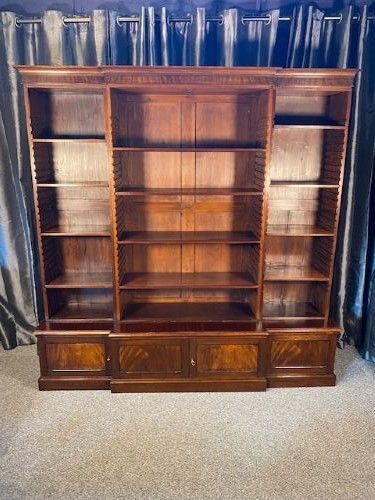
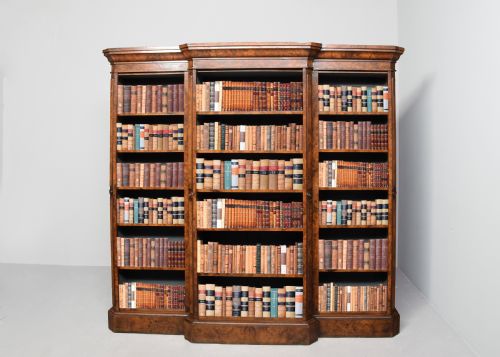
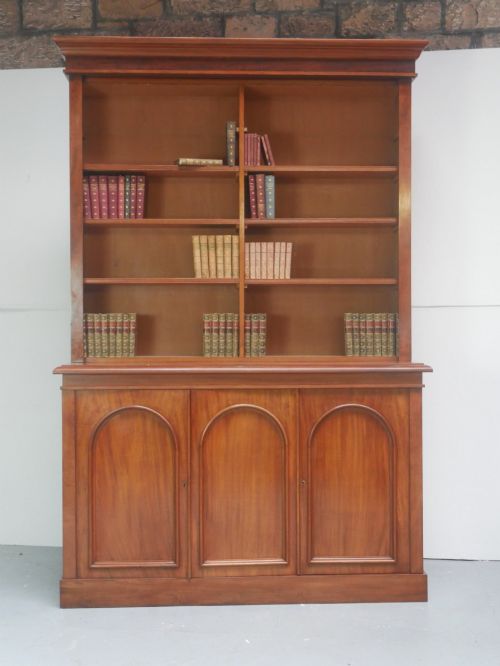
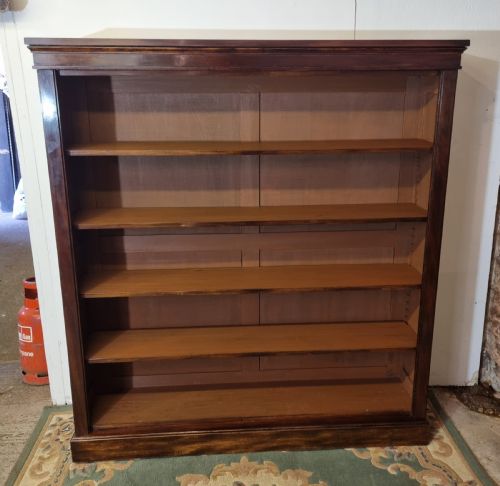


Large Wooden Display Unit
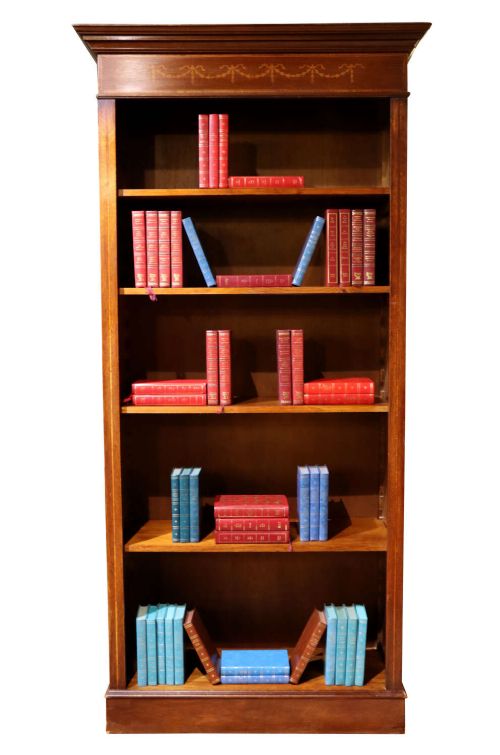
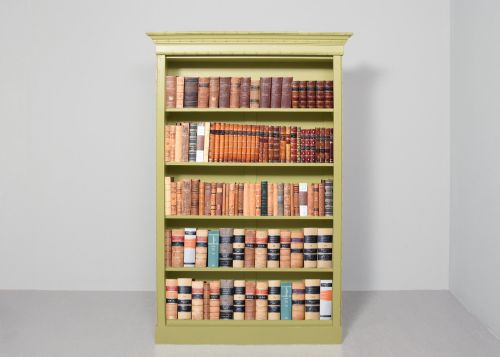
A large wooden display unit brings architectural presence to a room, offering generous open shelving for books and collections.
Large Wooden Display Unit
When you search for a large wooden display unit, you encounter substantial freestanding bookcases, breakfront library pieces, and open shelving structures originating from the nineteenth and early twentieth centuries. These forms serve primarily to organise and exhibit volumes and decorative objects within domestic and institutional spaces.
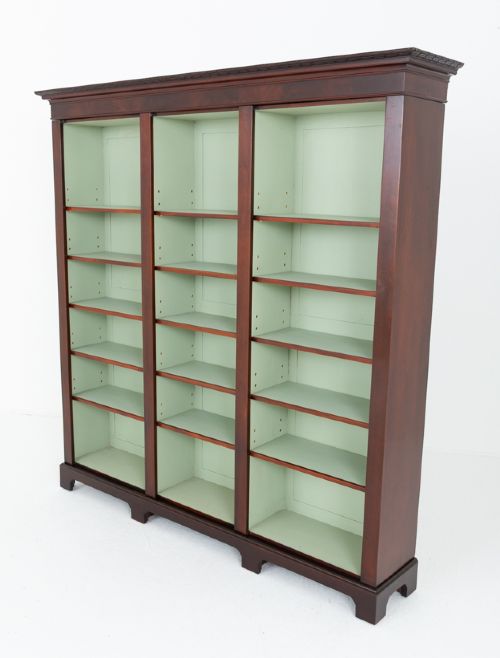
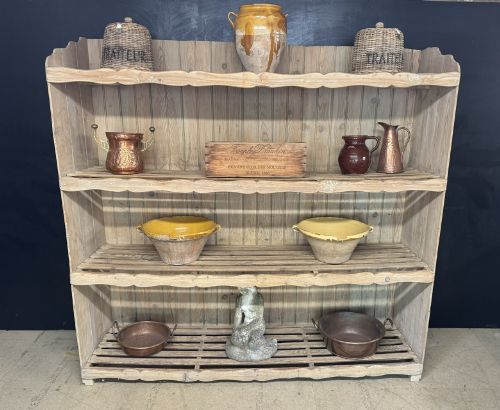
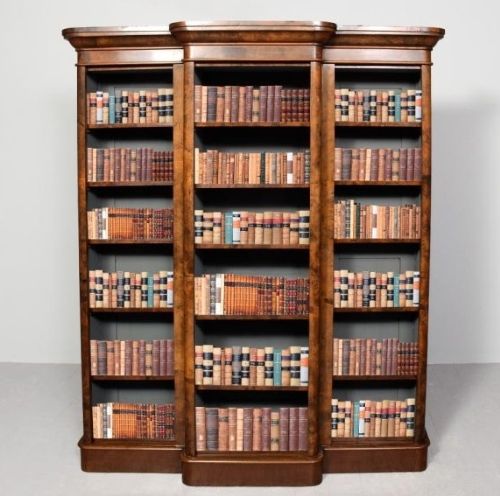
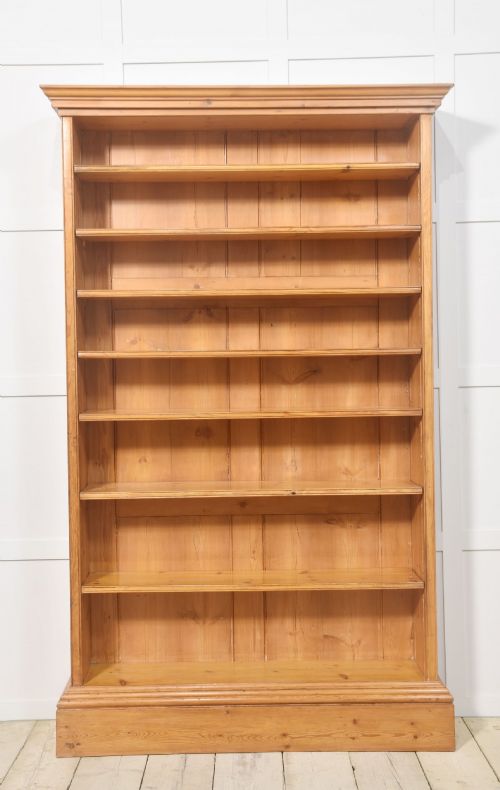
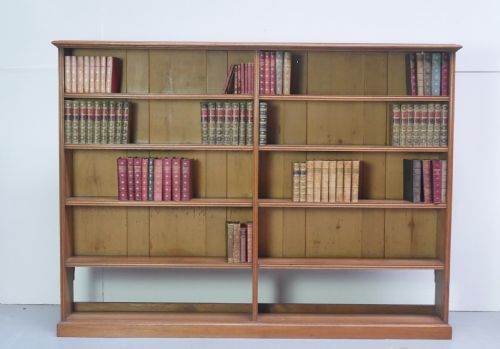
The most common versions on this page are open bookcases and breakfront cabinets spanning the Victorian and Edwardian periods, often featuring adjustable shelving. Examples range from simple pine and oak work to elaborate burr walnut and mahogany breakfronts.
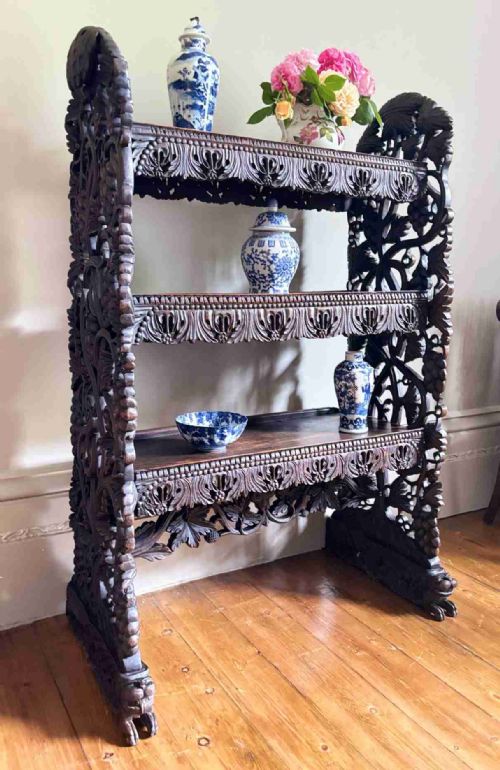
Occasional variants include wall-hanging shelves, bakers racks, and sideboards built in French, Empire, and traditional styles. These pieces provide substantial vertical and horizontal storage while anchoring the interior design of a room.
Materials and construction
Cabinet makers utilised dense hardwoods such as mahogany, oak, walnut, and burr walnut, alongside softer timbers like pine and cherry wood. Grain selection dictated the visual weight of the furniture, with figured veneers adding surface depth to formal library pieces.
Construction methods relied on solid timber carcases joined with traditional framing, supplemented by brass hardware for adjustable shelf mechanisms and fixtures. Glass panels and mirrors occasionally integrated into backing boards or doors to enhance light distribution.
Large Wooden Display Unit Retail Price Guide 2026
Typical asking prices for large wooden display unit among the pieces listed under this phrase on Sellingantiques today, from the lower quarter to the upper quarter. They describe what is for sale here now, not the wider market.
Some nineteenth-century makers concealed their adjustable shelf mechanisms so cleverly that books appear to float in mid-air.
Distinctions in quality
Quality rests upon timber selection and the precision of the joinery, distinguishing utilitarian storage from bespoke architectural furniture. Finer examples display carefully matched burr walnut or Spanish mahogany veneers and well-executed breakfront proportions.
The integration of functional elements, such as smoothly operating adjustable shelving systems and robust structural framing, separates standard workshop output from exceptional cabinet work.
Sir Charles Barry·Kiddington Hall Oxfordshire
The Large Wooden Display Unit Glossary
- Breakfront
- A cabinet design where the central section projects forward from the flanking outer sections. This architectural arrangement creates depth and visual rhythm across large furniture pieces.
- Adjustable shelf
- A horizontal board supported on movable pegs or tracks allowing variable vertical spacing. This mechanism accommodates books and objects of differing heights.
- Burr walnut
- Timber harvested from the warted growths of walnut trees, yielding highly figured grain patterns. Cabinet makers prized this material for decorative veneering on formal furniture.
- Open bookcase
- A freestanding shelving unit lacking front doors, designed for immediate access to volumes. These pieces form the majority of large display furniture in traditional interiors.
- Spanish mahogany
- A dense, dark timber imported from the Caribbean and utilised in high-status nineteenth-century cabinetry. It offers exceptional durability and a rich natural lustre.
Large Wooden Display Unit: Frequently Asked Questions
How do I adjust the shelves?
Most period open bookcases utilise wooden support strips with vertical slots or brass shelf studs inserted into pre-drilled interior holes.
Shelves lift out entirely and reposition into alternative slots to accommodate folio volumes or smaller decorative objects.
Where should I place a large display unit?
These substantial pieces require stable wall space away from direct heat sources and strong sunlight to protect antique timber and veneers.
Placing them in studies, libraries, or spacious reception rooms allows the architectural proportions to anchor the interior.
How do I identify a Victorian bookcase?
Victorian examples typically employ dense timbers such as mahogany, oak, or walnut, combined with substantial scale and deep mouldings.
Characteristic details include adjustable wooden shelving systems and traditional carcass construction dating from the nineteenth century.