

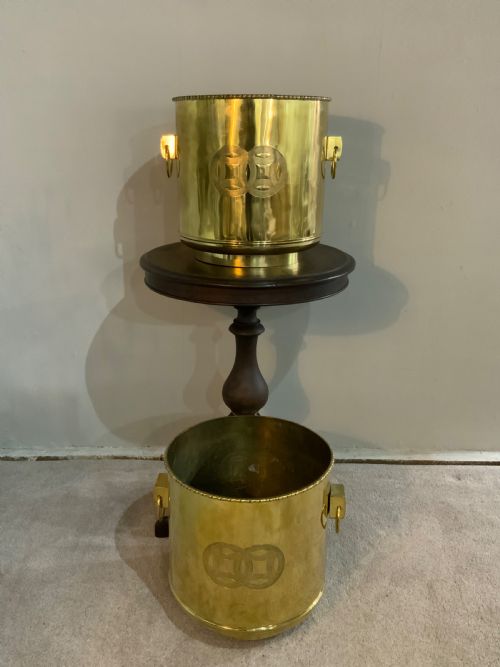


Large Wine Bucket
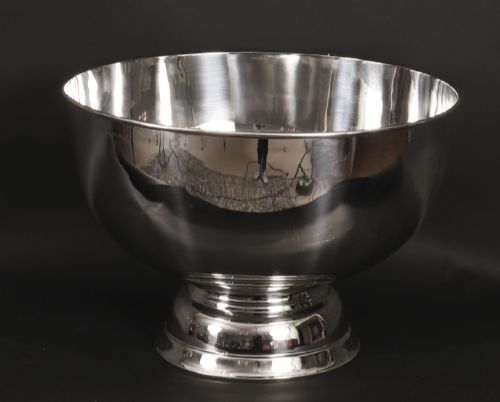
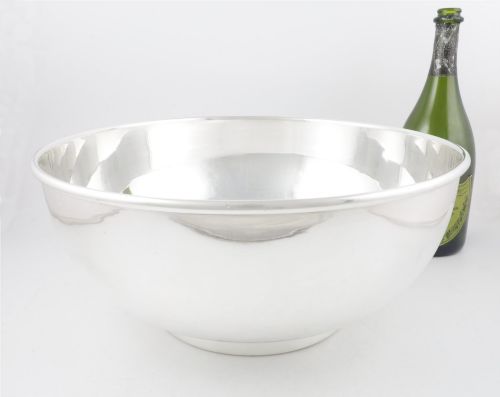
A large wine bucket brings genuine presence to a room, holding ice, bottles or plants with robust historic utility.
Large Wine Bucket
A large wine bucket encompasses heavy brass and copper vessels alongside timber cellarettes and silver-plated coolers spanning the eighteenth, nineteenth and early twentieth centuries. Pieces frequently cross boundaries between wine coolers, jardinières and punch bowls, serving multiple display and storage functions.
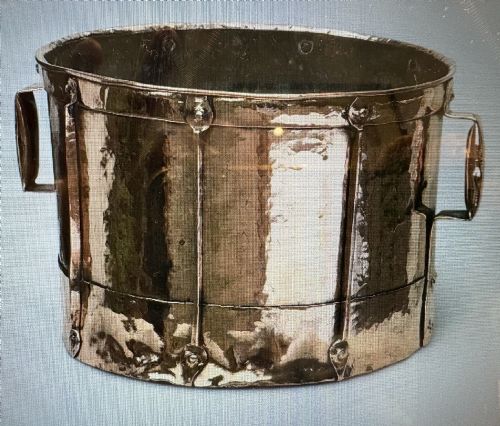
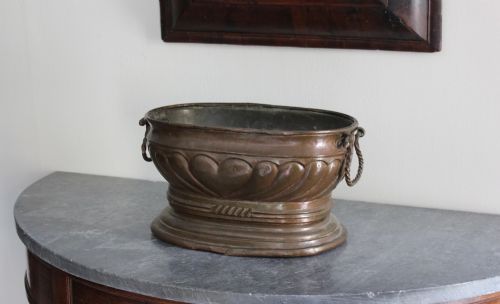
The selection on this page ranges from Georgian mahogany vessels and French copper grain measures to Art Deco silver-plated champagne holders and Chinese polished brass jardinières. Buyers encounter vernacular European metalwork alongside refined British dining furniture and continental revival styles.
The most prevalent forms are deep metal bowls with carrying handles, coopered wooden containers with brass bindings, and pedestal presentation vessels designed to chill bottles at table or floor level.
Materials and Construction
Construction methods combine heavy-gauge metalworking and traditional carpentry, utilising hand-beaten copper, spun brass, cast silver plate and coopered teak or mahogany. Metal vessels often feature dovetailed seams, riveted handles and soldered joints designed to withstand constant moisture.
Wooden cellarettes and planters rely on stave construction with brass hoops or banding, securing natural movement in timber while providing structural strength for heavy contents. Silver-plated items apply protective metal layers over copper or base alloy cores, sometimes finished with chased or engraved decorative borders.
Large Wine Bucket Retail Price Guide 2026
Typical asking prices for large wine bucket among the pieces listed under this phrase on Sellingantiques today, from the lower quarter to the upper quarter. They describe what is for sale here now, not the wider market.
Listings span the eighteenth, nineteenth and twentieth centuries, uniting utilitarian copper vessels with polished brass jardinières and silver-plated champagne coolers.
Evaluating Quality
Quality rests upon the integrity of the original construction, the thickness of the metal or timber, and the crispness of any applied decoration or maker marks. Substantial gauge brass and heavy-gauge copper retain their structural rigidity and display deeper patination through decades of use.
The finesse of the joinery, the proportion of handles and mounts, and the preservation of original surfaces separate standard utilitarian vessels from exceptional examples made by recognised silversmiths or specialist workshops.
Mappin & Webb·Barker Ellis
The Large Wine Bucket Glossary
- Cellarette
- A lockable container used for storing wine bottles near the dining table, often lined with metal or divided into compartments. These pieces usually stand on legs or directly on the floor.
- Jardinière
- An ornamental pot or stand designed to hold growing plants or floral arrangements. Many large brass and copper vessels served this secondary purpose.
- Ferrat
- A traditional French measuring vessel or container, typically fashioned from heavy copper with distinctive riveted seams. They frequently find new life as wine buckets or planters.
- Coopered
- Built using narrow wooden staves bound together by metal hoops, similar to barrel construction. This technique ensures watertight integrity in wooden planters and coolers.
- Silver plate
- A thin layer of silver fused or electroplated onto a base metal such as copper, brass or nickel silver. It offers the appearance of solid silver with greater durability for utilitarian vessels.
Large Wine Bucket: Frequently Asked Questions
How were these large buckets originally used?
These vessels served primarily to chill wine and champagne bottles at the dining table or sideboard using ice and water. Many also doubled as punch bowls or containers for large floral displays during grand dinners.
Over time, owners repurposed sturdy metal and wooden examples as umbrella stands, log holders or planters, capitalising on their capacity and waterproof linings.
Can I still use an antique wine bucket for ice?
Most metal and silver-plated vessels retain their structural integrity and hold ice effectively for modern entertaining. Copper and brass conduct temperature quickly, making them practical for chilling bottles.
Buyers should check individual liners and seams for watertightness, particularly on older coopered wooden pieces where timber movement can occur.
How do I clean and maintain antique copper?
Maintenance depends on whether you prefer a bright polished finish or a dark, undisturbed historic patina. Most collectors choose to leave the natural oxidation untouched, removing dust with a soft dry cloth.
If polishing is desired, use a non-abrasive metal cleaner specifically formulated for copper or brass, applying it sparingly to avoid damaging surface details.
How do I distinguish a cellarette from a jardinière?
Cellarettes are typically enclosed wooden furniture pieces, often with fitted interiors or lids, designed specifically for wine storage in the dining room. They frequently feature brass banding and locking mechanisms.
Jardinières are open vessels made from brass, copper or ceramic, intended to display plants and lacking the internal bottle partitions or fitted lids of formal cellarettes.