


Large Timber Wall Mirror
A large timber wall mirror anchors a room with presence, reflecting light and depth while showcasing period craftsmanship.
Large Timber Wall Mirror
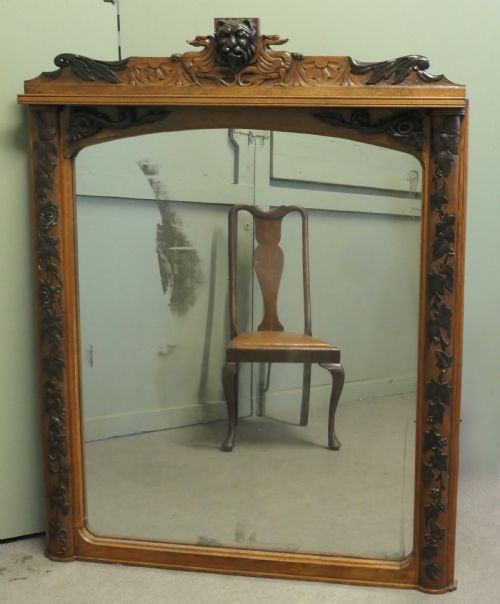
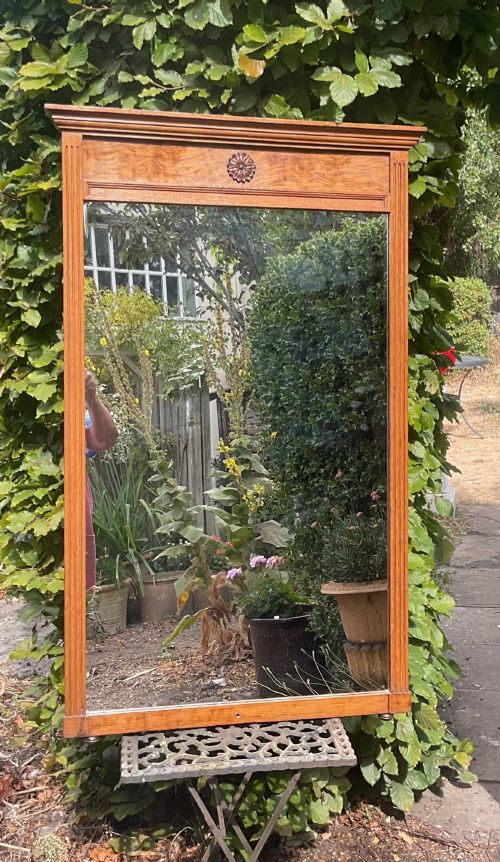
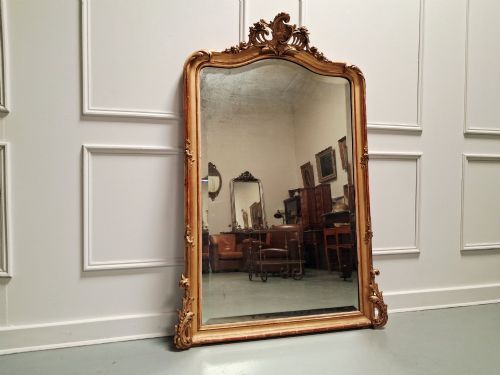
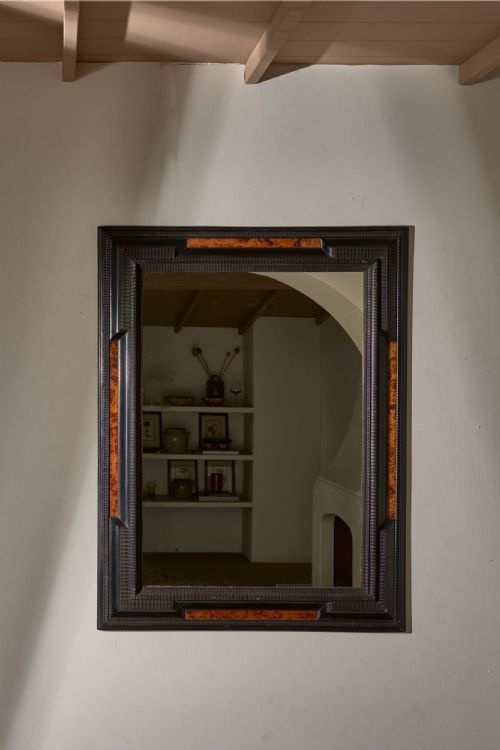
A large timber wall mirror serves as a substantial focal point in a room, combining practical reflection with architectural presence. When searching for a large timber wall mirror, buyers encounter substantial frames built to command wall space above mantelpieces or in grand hallways.
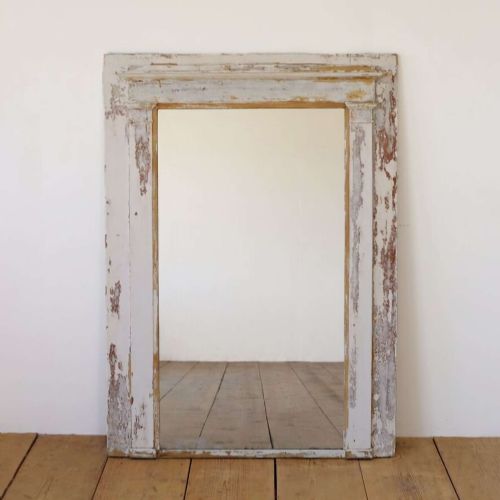
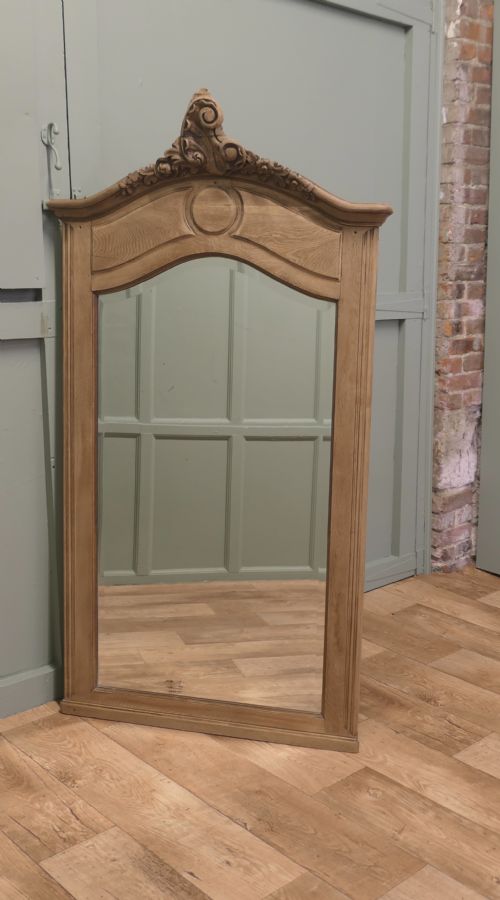
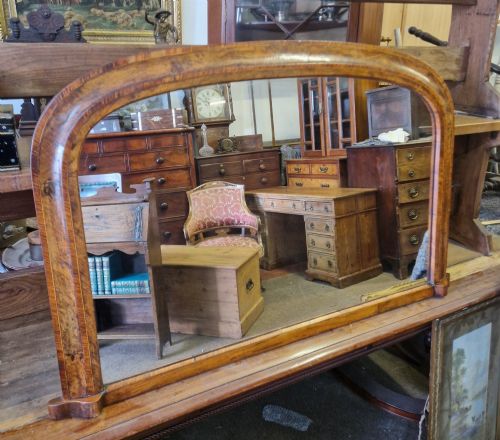
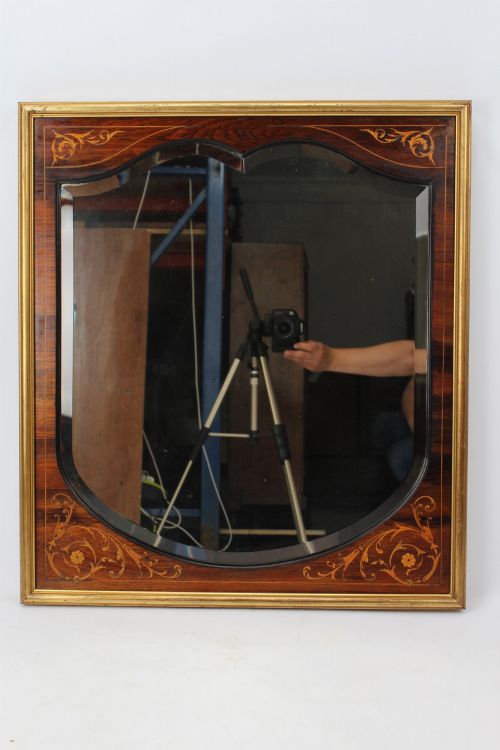
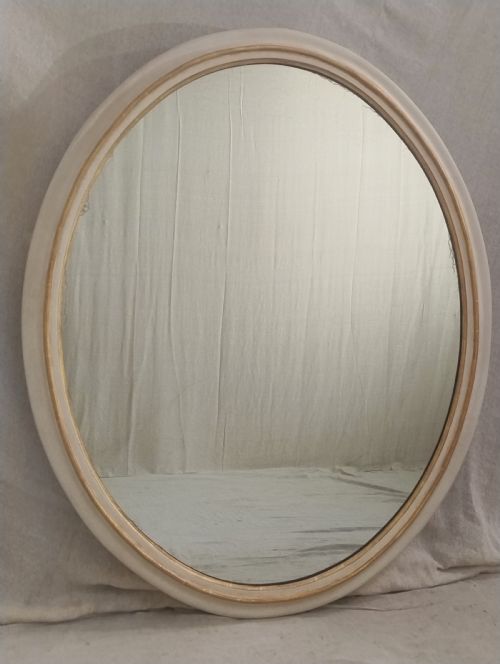
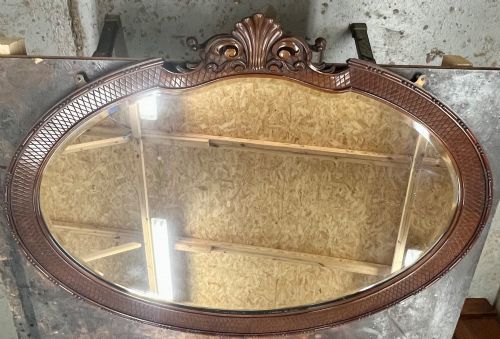
The pieces appearing here span the nineteenth century and early twentieth century, taking forms such as overmantel mirrors, cushion frames, and shaped French designs. Oak, walnut, and rosewood provide the primary wooden structures, often finished with paint, gesso, or gilding.
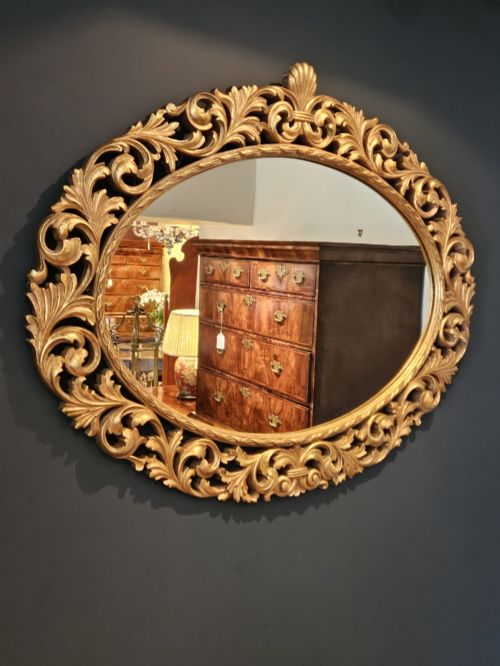
Originating from English country houses and French provincial settings alike, these items carry diverse stylistic influences including Gothic, Renaissance, Rococo, and Empire. Each piece reflects the interior trends of its era, from heavy carved oak to giltwood Florentine carvings.
How they were made
Cabinetmakers and carvers utilised solid timbers such as oak, walnut, and rosewood, joining frame corners with traditional pegged or mitred construction to support the heavy glass. Carved ornament was worked directly into the wood or applied via moulded gesso and parcel gilt layers.
Surfaces received various treatments depending on regional style, ranging from scrubbed natural grain and French polishing to painted finishes and faux tortoiseshell effects. Mirror glass was set within the rebate and secured at the back with protective timber backing boards.
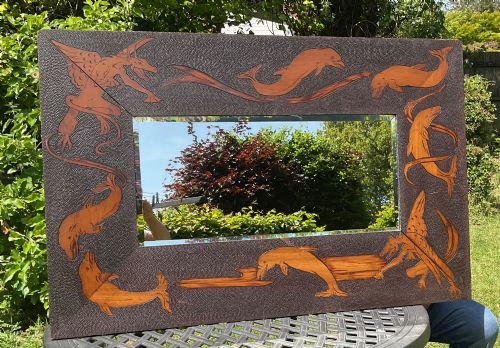
One extraordinary nineteenth-century frame incorporates carved wooden dragons and dolphins gazing out from the corners.
What varies in quality
Depth and crispness of the carving distinguish finer examples, where hand-chiselled details on motifs like acanthus leaves or mythological figures remain sharp and well-defined. Lesser pieces rely on cast composition ornament that can appear softer and more uniform.
The choice of primary timber and the integrity of the original surface finish dictate the character of the object. Substantial framing timbers that retain their historic patination, original gilding, or early paint layers command greater visual weight and historical authenticity.
Gabriel Viardot
The Large Timber Wall Mirror Glossary
- Giltwood
- Wood carved and coated with a thin layer of gold leaf over a prepared gesso ground. This finish catches candlelight and natural illumination.
- Overmantel mirror
- A wide mirror designed specifically to hang on the wall directly above a fireplace mantel. These pieces frequently repeat the horizontal proportions of the hearth below.
- Gesso
- A plaster-like mixture applied to wood frames to create a smooth surface for gilding or painting. It allows intricate relief moulding before finishing.
- Cushion frame
- A frame profile that curves outward like a pillow towards the outer edge. This style adds pronounced three-dimensional depth to the wall.
- Padauk
- A dense tropical hardwood with reddish tones utilised in fine cabinetmaking. Its stability made it suitable for detailed carving.
Large Timber Wall Mirror: Frequently Asked Questions
How do I hang a heavy timber mirror safely?
These substantial frames require robust wall fixings anchored directly into masonry or heavy timber studs rather than standard plasterboard hooks. Professional mirror plating distributed across the upper and lower frame structure ensures the weight stays secure.
Position the mirror at a height that reflects eye level or catches natural light from opposing windows effectively. Ensuring the wall brackets match the weight of the glass and wooden surround prevents long-term shifting.
Where should I place an overmantel mirror?
An overmantel mirror traditionally sits above a fireplace, anchoring the vertical space of the chimney breast and drawing light deeper into the room. Placing it here balances the visual mass of the hearth below.
Alternatively, position the piece on a blank dining room wall to create a sense of extended space and reflection. Keep the surrounding furniture scale appropriate to the width of the frame.
How do I clean antique mirror glass?
Wipe the glass gently with a soft microfibre cloth slightly dampened with distilled water or a mild vinegar solution. Avoid spraying liquid directly onto the glass edge where moisture might seep behind the silvering.
Preserve the aged silver backing by treating any dark spots or foxing with care rather than attempting restoration. Regular dusting of the carved wooden frame with a dry brush maintains the finish.
How do I distinguish Victorian styles from Edwardian ones?
Victorian frames often display heavier, more elaborate carving with Gothic, Renaissance, or Rococo influences and darker finishes like walnut and rosewood. The decorative language tends towards dense ornamentation and strong architectural presence.
Edwardian pieces frequently lighten in tone, featuring blonde oak, cleaner lines, or simpler painted surfaces influenced by Arts and Crafts ideals. Proportion and utility became key focuses during the later period.