






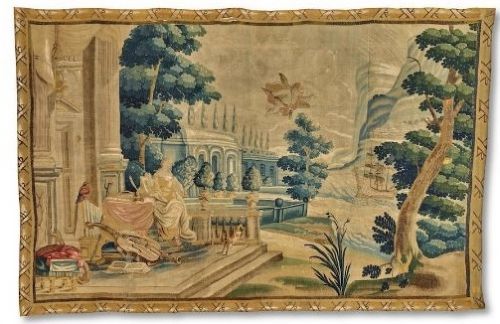

Large Textile Wall Hanging
A large textile wall hanging brings architectural scale and rich texture to an interior, transforming plain plaster into a narrative landscape.
Large Textile Wall Hanging
When searching for a large textile wall hanging, a buyer encounters substantial woven panels, embroidered cloths, and tribal hangings designed to dominate a substantial expanse of wall. These pieces function as acoustic dampeners and visual centerpieces, originating from European weaving workshops, Central Asian nomadic communities, and Indian ateliers.
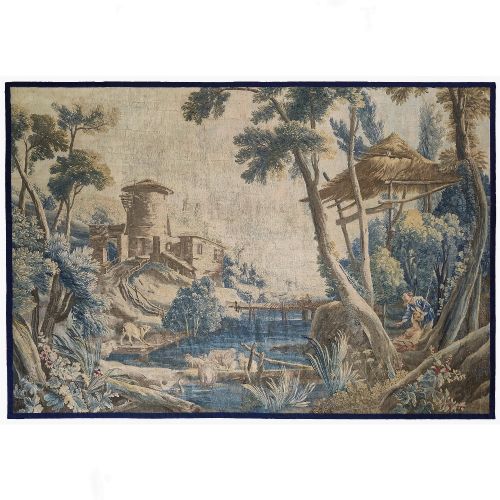
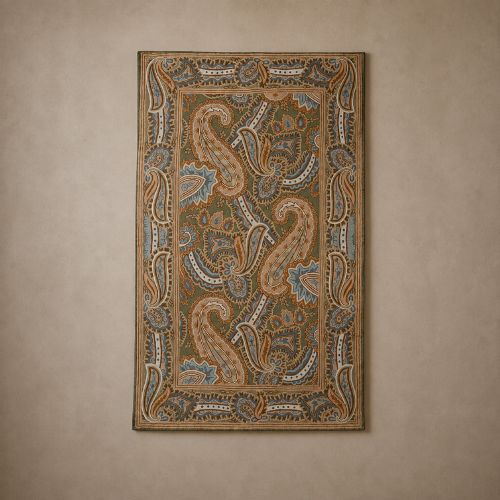
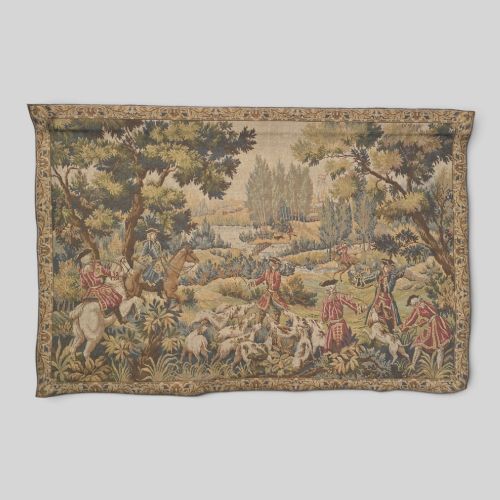
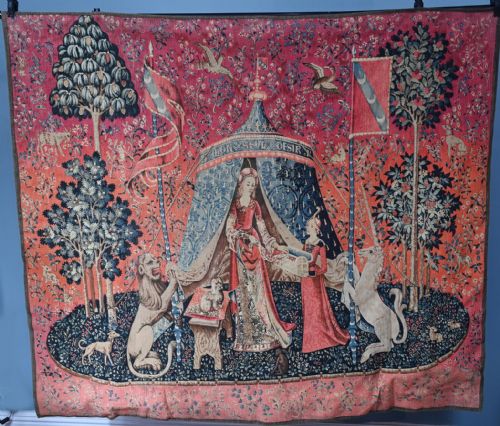
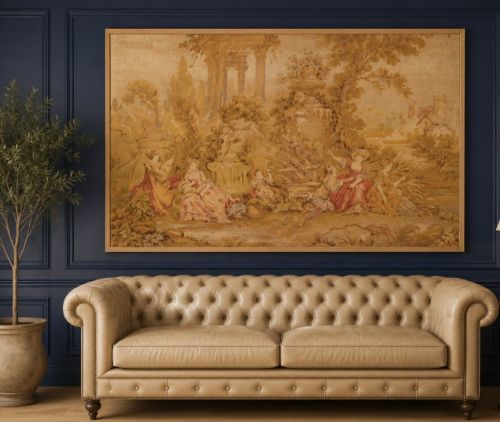
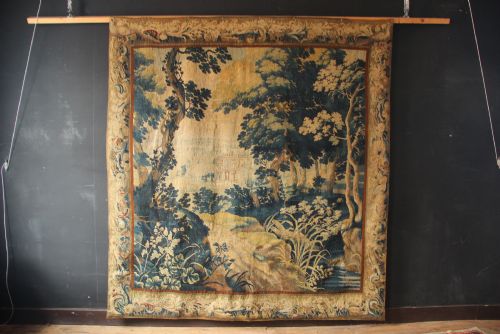
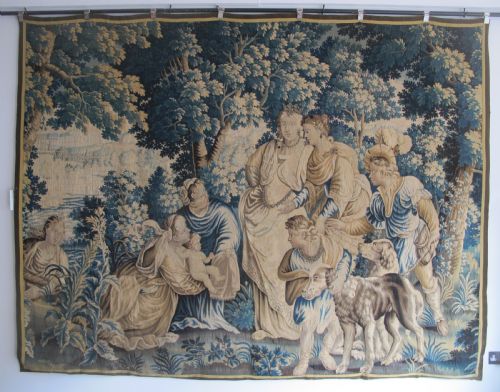
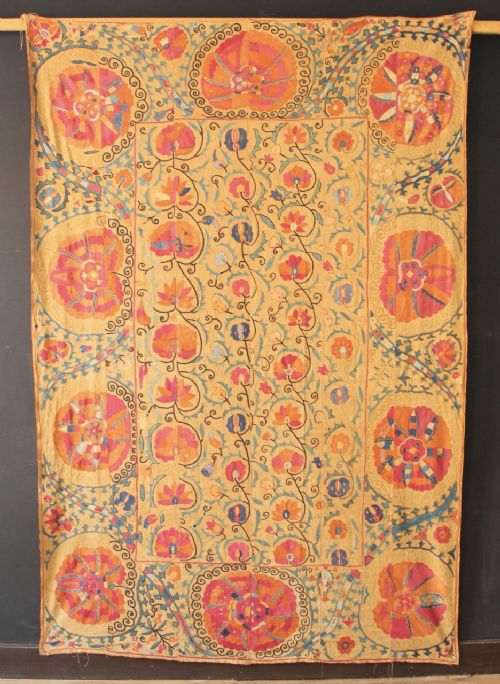
The selection on this page relies heavily on French and Flemish tapestries from the seventeenth and eighteenth centuries, alongside Central Asian Suzanis, tribal torbas, and crewelwork panels. French verdure tapestries and pastoral scenes sit alongside Uzbek silk embroideries, offering a direct line to historical textile traditions.
Buyers meet works ranging from pastoral scenes and mythological narratives to intricate botanical verdure and geometric tribal guls. Each format offers a distinct way to introduce historical weight and tactile depth into a domestic room.
How they were made
The construction of these pieces relies on wool, silk, cotton, and linen, often combined with metallic thread and natural dyes to achieve lasting saturation. Weavers utilised vertical and horizontal looms for woven tapestries, while needleworkers applied crewelwork embroidery and tambour work directly onto linen or cotton grounds.
Makers integrated brass hanging rings or mounted panels into walnut frames, securing fragile textiles for vertical display. Natural dye sources provided deep greens, indigos, and madders that matured over centuries of exposure.
Large Textile Wall Hanging Retail Price Guide 2026
Typical asking prices for large textile wall hanging among the pieces listed under this phrase on Sellingantiques today, from the lower quarter to the upper quarter. They describe what is for sale here now, not the wider market.
Listings feature textiles spanning from the sixteenth century through the mid-twentieth century, utilising wool, silk, linen, and metallic thread.
What varies in quality
Quality rests upon the density of the weave or the tightness of the embroidery stitches, which dictates how sharply figures and foliage render across a grand scale. Superior pieces maintain crisp botanical outlines and stable material integrity, whereas lesser examples show structural fatigue or blurred transitions in dye lots.
The sophistication of the palette and the complexity of the narrative design separate standard workshop output from exceptional survivals. Hand-spun yarns with subtle variations in tone outlast stiff, uniform synthetic replacements, holding their presence under varied lighting.
The Large Textile Wall Hanging Glossary
- Verdure
- A type of tapestry featuring a heavily wooded landscape filled with foliage, trees, and animals. These scenes typically dominate seventeenth-century Flemish and French weaving.
- Gul
- A medallion or primary repeating motif found in Turkmen tribal weaving. These octagonal or gabled forms identify specific tribal groups and regions.
- Crewelwork
- A type of embroidery executed with wool yarn on a heavy linen or cotton twill fabric. This technique creates raised, textured surfaces ideal for floral and scrolling patterns.
- Tapestry
- A form of textile art woven by hand on a loom, where coloured weft threads create a pictorial design. Historical examples frequently depict mythological, biblical, or pastoral narratives.
Large Textile Wall Hanging: Frequently Asked Questions
How do I hang a heavy tapestry safely?
Heavy woven panels require a weight-distributing support system rather than a single hanging point. A lined fabric sleeve stitched along the top reverse edge allows a flat wooden batten or metal rod to slide through, transferring the load evenly across the wall.
Bolting the support batten directly into wall studs ensures the textile remains secure without pulling or stretching the historic fibres. Avoid placing these pieces in direct sunlight, which degrades natural wool and silk over time.
What is the difference between a tapestry and a Suzani?
A tapestry is structurally woven on a loom, where the design forms part of the cloth construction itself using interlocking weft threads. They originate primarily from European workshops and depict complex pictorial scenes.
A Suzani is an embroidered textile where needle and thread decorate a pre-woven cotton or linen ground. Originating in Central Asia, they rely on bold chain and blanket stitches to create vibrant floral and geometric compositions.
Can these textiles be cleaned?
Historic textiles demand extreme caution and generally resist standard domestic cleaning methods. Gentle surface vacuuming through a protective mesh screen removes loose dust without disturbing fragile threads or aged foundations.
Professional textile conservators must handle wet cleaning or structural repairs. Attempting DIY washing risks permanent shrinkage, dye bleeding, and the total destruction of degraded antique fibres.
How do I identify a Flemish verdure piece?
Flemish verdure panels are distinguished by dense, verdant foliage, stylized trees, and small birds or animals half-hidden among the leaves. The palette traditionally relies on aged greens, blues, and browns that have mellowed over centuries.
These pieces date frequently from the seventeenth century and reflect the high technical skill of looms operating in centres like Flanders and Audenarde.