
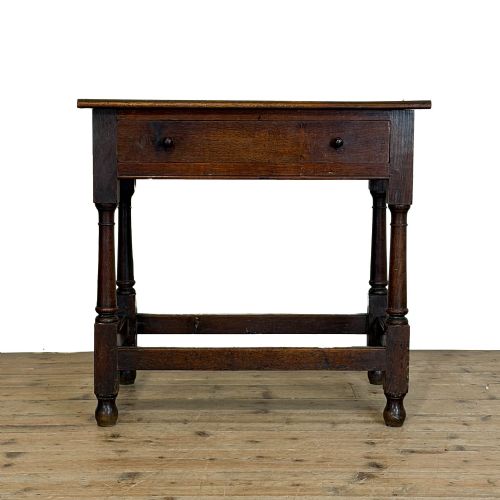
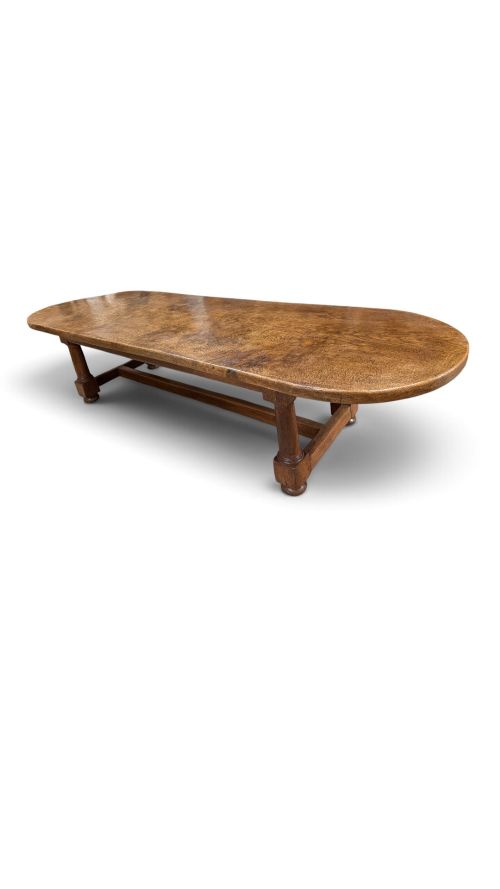
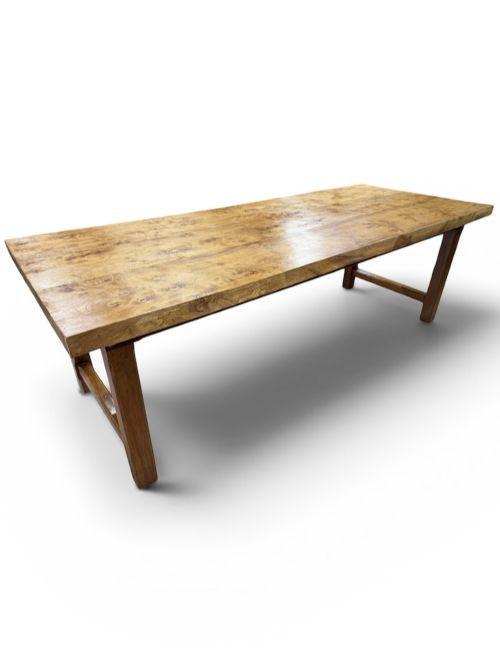
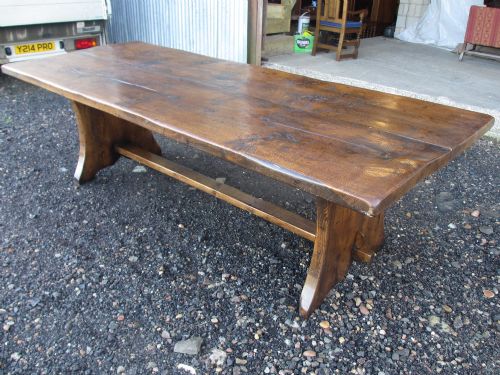
Large Solid Oak Table
A large solid oak table anchors the room through weight of timber and centuries of use, offering a sturdy surface for dining, writing, or gathering.

Large Solid Oak Table
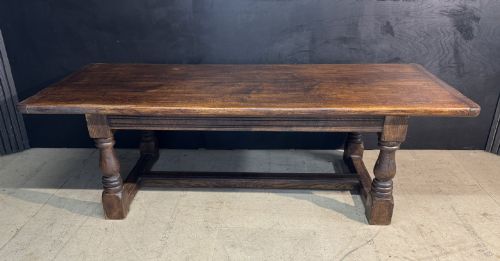
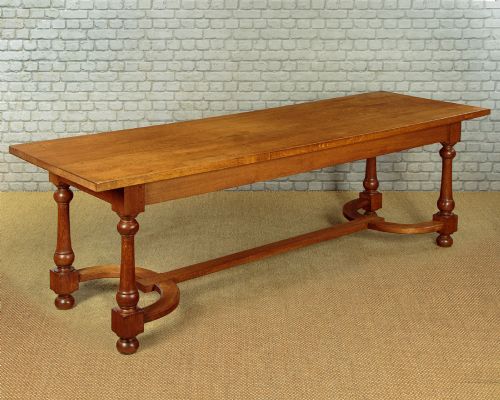
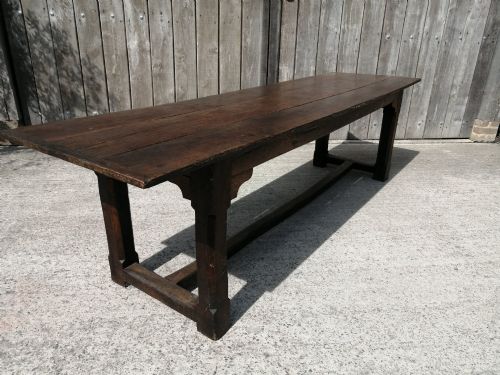
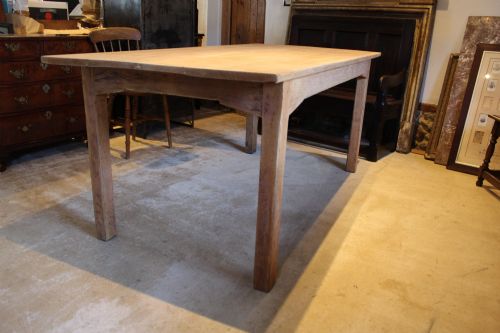
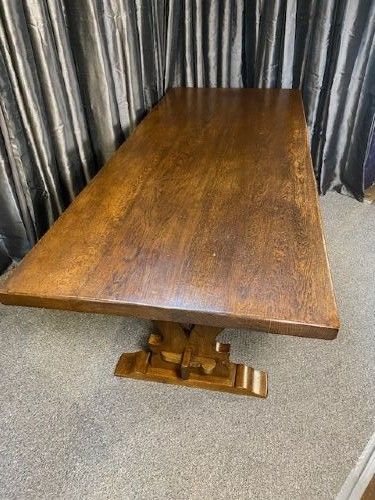
A large solid oak table serves heavy daily use, appearing most frequently on this page as an antique refectory or farmhouse dining table from the seventeenth to the twentieth century.
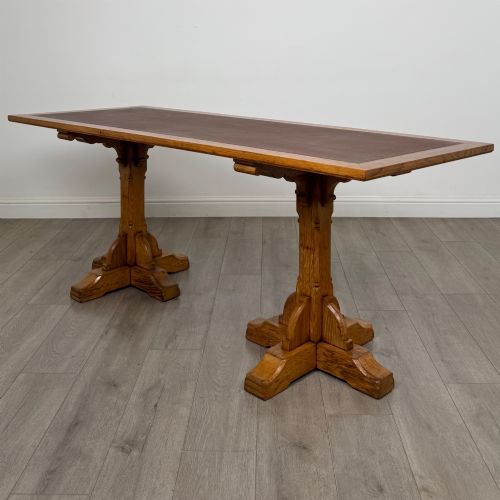
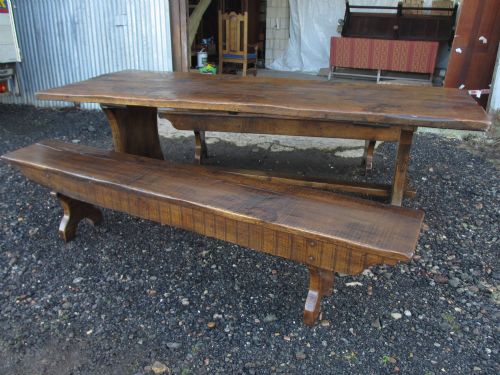
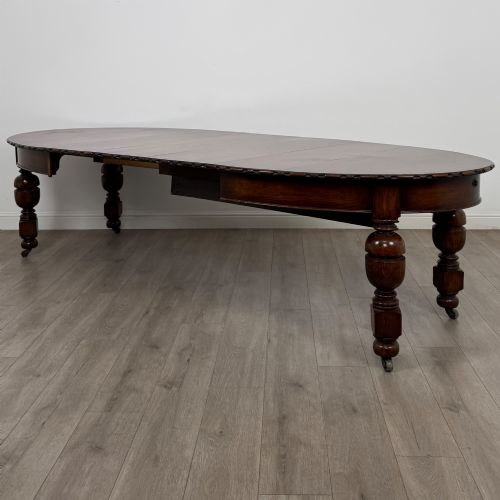
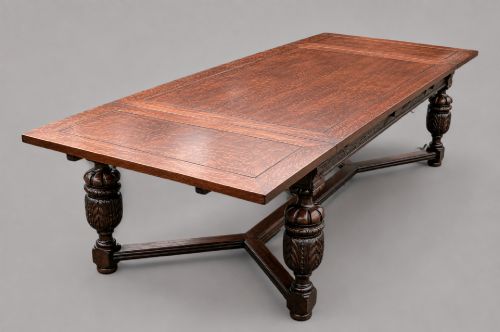
These substantial pieces range from simple single-plank boards and tavern tables to grand library desks, gatelegs, and extending tables styled in the Jacobean, Elizabethan, or Arts and Crafts traditions.
Makers shaped these surfaces for communal spaces, public schools, and country kitchens, utilising the natural strength of oak to span long distances without sagging.
How they were made
Craftsmen built these tables using thick planks of solid oak, sometimes combining them with elm, pitch pine, or leather inserts depending on the intended function of the desk or dining board.
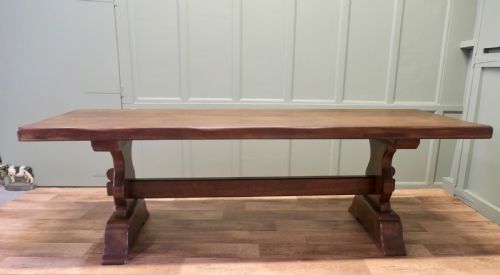
Joinery relied on pegged mortise and tenon frames, draw-leaf mechanisms, and shaped trestle ends to support heavy tops without relying on modern metal fasteners.
Listings feature solid oak combined with elm, brass hardware, and leather inserts across dining, library, and coffee table forms.
What varies in quality
The standard of a large solid oak table depends upon the thickness of the top planks, the integrity of the original timber framing, and the depth of the patination built up through generations of polishing.
Tables retaining their original structural mechanisms, such as draw-leaf extensions or wind-out screws, command greater respect among collectors than those altered or rebuilt using later wood.
The Large Solid Oak Table Glossary
- Refectory table
- A long, narrow dining table traditionally used in monasteries and large halls, characterised by substantial legs connected by a low stretcher.
- Draw-leaf table
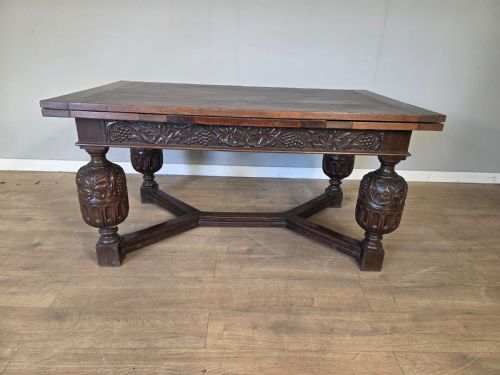
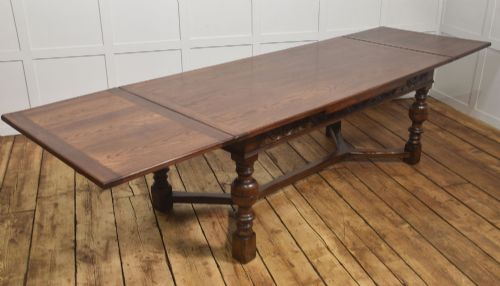
- An extending table with two leaves stored beneath the main top that pull out from either end to increase the surface area.
- Gateleg table
- A table with hinged leaves supported by swing-out legs that resemble a gate.
- Trestle ends
- Support structures at either end of a table consisting of vertical posts joined to a horizontal base or feet.
- Patina
- The glossy sheen and mellow colour developed on the surface of wood over decades of exposure to light, air, and handling.
Large Solid Oak Table: Frequently Asked Questions
How do I clean a large solid oak table?
Wipe the surface gently with a slightly damp cloth and dry it immediately to preserve the timber.
Avoid chemical polishes that build up a greasy residue and instead nourish the grain with natural beeswax occasionally.
Can I use an antique oak table every day?
These tables were originally built for heavy daily use in farmhouses, taverns, and schools.
Using them for modern family dining simply adds to the historic character and deepens the patina of the wood.
How do I tell an 18th century oak table from a later revival piece?
Look closely at the construction marks, tool impressions on the underside, and the way the planks are joined.
Earlier pieces show hand-cut peg fastenings and natural board shrinkage, whereas revival pieces often feature more uniform machinery cuts.
What chairs work best with an oak refectory table?
Simple ladder-back, rush-seat, or upholstered chairs in matching wood tones complement the heavy aesthetic.
Leaving adequate leg clearance beneath the aprons ensures comfortable seating for diners along the length.