





Large Silver Cup
A large silver cup makes a commanding centrepiece, spanning domestic loving cups, ecclesiastical chalices and ceremonial vessels.
Large Silver Cup
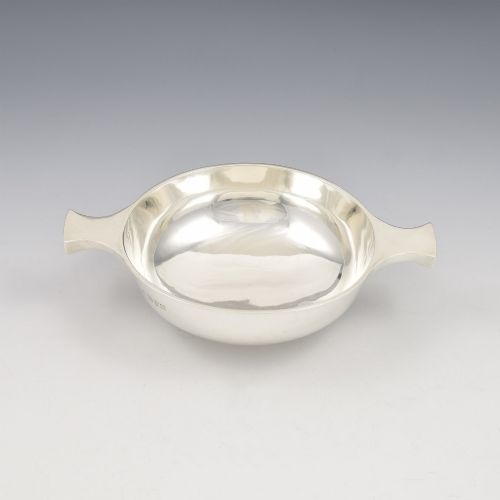
When searching for a large silver cup, buyers encounter diverse forms ranging from Victorian loving cups and Edwardian quaichs to ecclesiastical chalices and ceremonial Kiddush vessels. These substantial drinking vessels serve ceremonial, commemorative and domestic functions across multiple centuries and stylistic traditions.
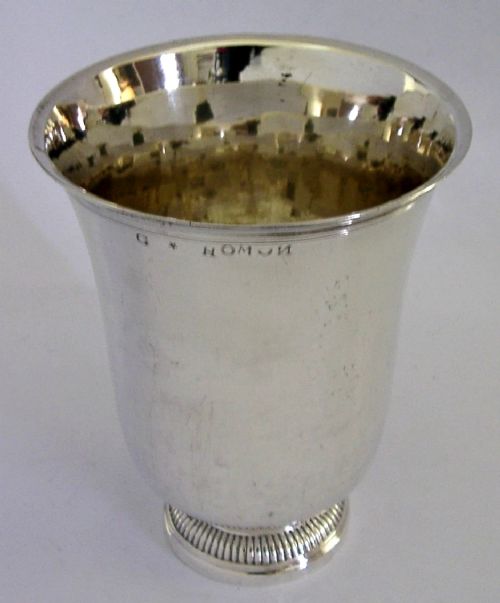
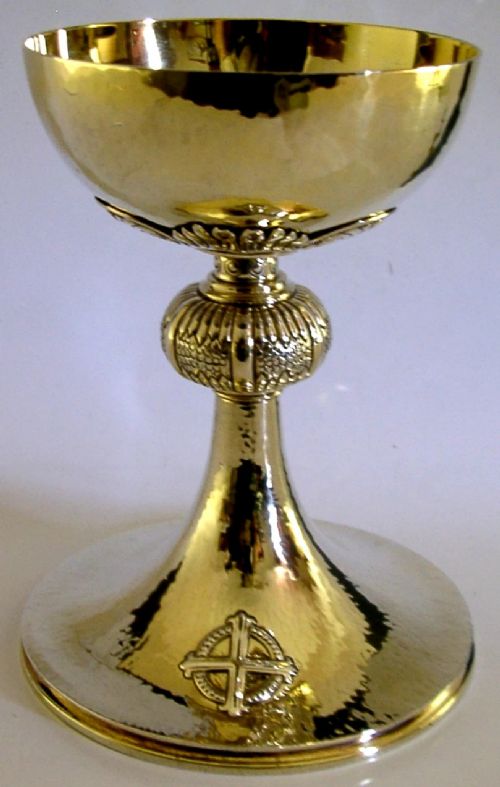
The pieces on this page lean heavily towards nineteenth-century ecclesiastical and domestic metalwork, alongside eighteenth-century continental beakers and mid-century religious chalices. Forms vary from simple silver-rimmed harvest vessels and trophy cups to elaborate silver gilt examples.
Regional and cultural origins stretch from English and Irish workshops to French ateliers, Indian Kutch silversmiths and traditional Judaica pieces. Buyers frequently meet plated variations alongside solid sterling silver objects and those incorporating glass or stoneware.
Materials and Construction
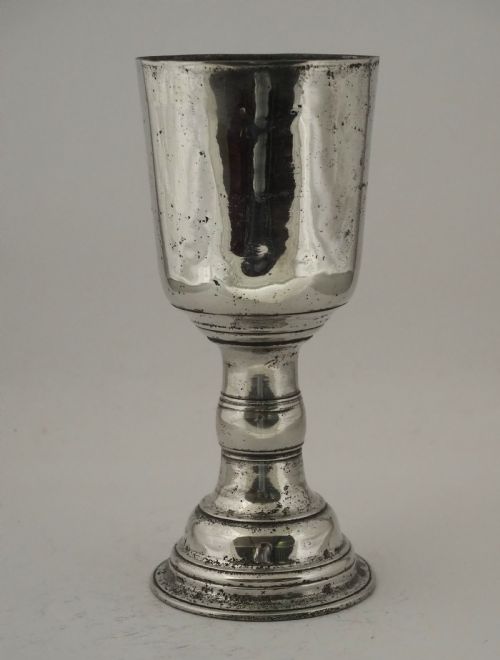
The listings demonstrate a reliance on sterling silver, silver plate and Old Sheffield Plate, often enriched with gold gilding or silver gilt finishes. Artisans also combined precious metals with contrasting materials like cut glass, pewter, copper and salt-glazed stoneware.
Construction techniques include traditional hammering, casting, chasing and engraving, visible in ornate Victorian gothic motifs and intricate Indian Kutch surface designs. Component parts such as domed feet, applied rims and handles are securely joined to heavy-gauge bodies.
Large Silver Cup Retail Price Guide 2026
Typical asking prices for large silver cup among the pieces listed under this phrase on Sellingantiques today, from the lower quarter to the upper quarter. They describe what is for sale here now, not the wider market.
Listings feature periods spanning from the eighteenth century to the 1960s, incorporating sterling silver, silver plate, pewter and stoneware.
Judging Quality
Superior quality in these vessels rests on the weight and gauge of the metal, the crispness of chased or engraved ornamentation, and the integrity of any applied gilding. Heavier pieces with substantial metal thickness and balanced proportions command greater appreciation.
The distinction between solid sterling silver and silver plate or Old Sheffield Plate alters the character of the object as it ages. Finer examples display meticulous attention to structural elements like domed feet and structural joins, preserving their original form without distortion.
Nathan & Hayes
The Large Silver Cup Glossary
- Sterling silver
- A silver alloy containing 92.5 percent pure silver and 7.5 percent other metals, usually copper, ensuring durability for tableware.
- Silver gilt
- Silver objects that have been coated with a thin layer of gold on their interior or exterior surfaces, often used for ecclesiastical vessels.
- Quaich
- A traditional Scottish two-handled drinking vessel, shallow in form, originating as a drinking cup for whisky.
- Loving cup
- A large drinking vessel equipped with two or more handles, designed to be passed among guests at banquets and celebrations.
- Chalice
- A stemmed liturgical cup used to hold sacramental wine during religious ceremonies.
Large Silver Cup: Frequently Asked Questions
What is a large silver cup used for?
These vessels historically served ceremonial, religious and celebratory functions rather than everyday dining. Ecclesiastical chalices held sacramental wine, while loving cups and harvest cups passed among guests during communal toasts.
Domestic versions also functioned as presentation pieces, sporting trophies or display items in wealthy households. Their substantial scale marked significant occasions, memorial services and civic events.
How do I clean a large silver cup?
Maintenance requires gentle cleaning with a specialist silver cloth or mild, non-abrasive silver polish to preserve the original patina and any delicate chasing. Avoid harsh chemical dips, particularly on gilt surfaces or pieces combined with glass and stoneware.
Store the vessel in a dry environment away from direct sunlight and atmospheric pollutants to minimise tarnishing. Regular, light dusting helps prevent the accumulation of airborne grime in intricate crevices.
Are these cups made of solid silver?
The materials vary considerably across the selection, encompassing solid sterling silver, silver plate, Old Sheffield Plate and pewter. Individual listings specify whether an object is solid silver or plated metal.
Some pieces also incorporate non-metal elements such as cut glass bodies, copper components or salt-glazed stoneware bases. Hallmarks and maker marks assist in verifying the precise metal standard used.
How can I tell the period of a silver cup?
Dating relies heavily on official hallmarks, maker's marks and registration numbers stamped into the metal, which indicate the assay office and year of manufacture. Stylistic indicators, such as Victorian Gothic revival motifs or Edwardian simplification, provide further chronological clues.
Construction methods, including the transition from hand-beaten bodies to machine-rolled plate, also help narrow down the era. Comparing the decorative vocabulary with documented examples from similar regions confirms the likely period.