



Large Shop Display
A large shop display brings commercial history into domestic interiors through cabinets, counters, and trade signs.
Large Shop Display
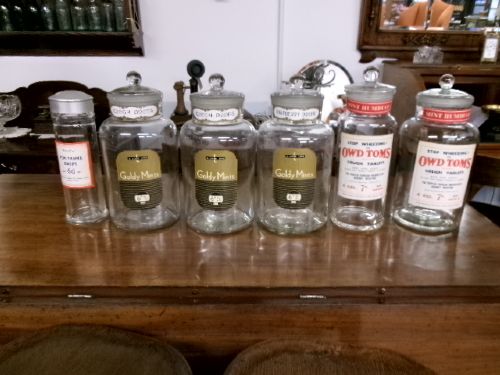
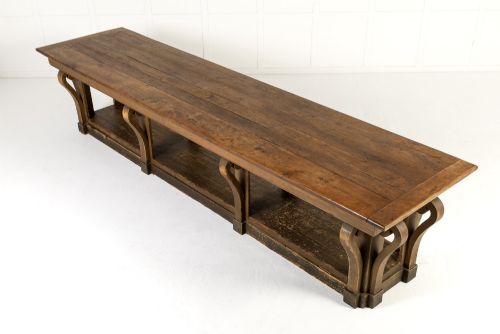
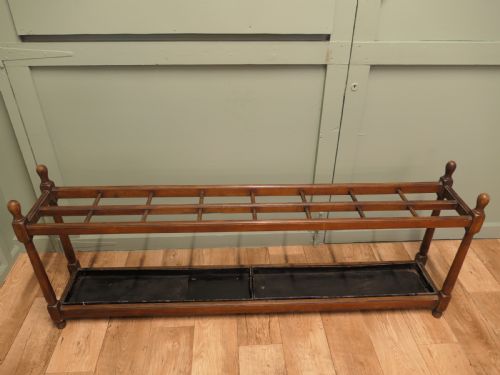
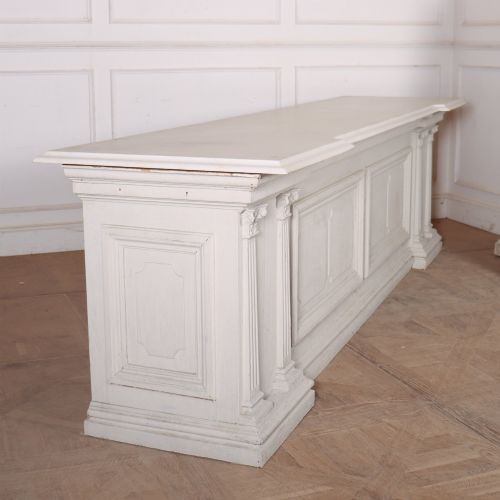
A large shop display encompasses the architectural fittings and utilitarian objects used in nineteenth and early twentieth-century commerce, including glazed cabinets, multi-drawer shop fittings, trade signs, and apothecary jars. When searching for a large shop display, a buyer encounters diverse forms ranging from lengthy drapers tables and haberdashery cabinets to tall apothecary carboys and painted iron butcher figures.
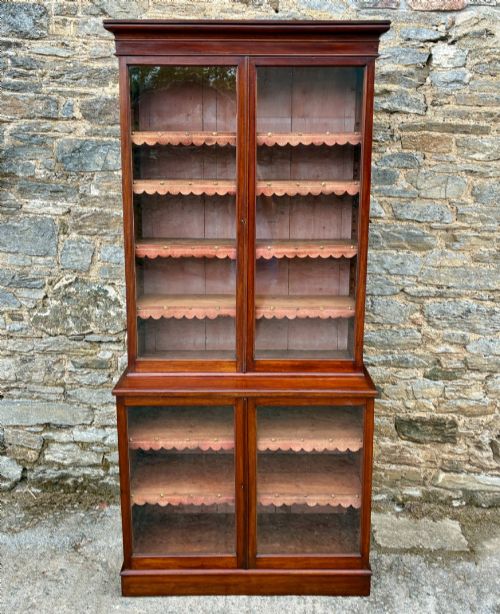
The pieces originating from this period reflect the practical demands of victorian and edwardian retail spaces, utilising durable woods like mahogany, oak, and pine alongside glass, iron, and brass. Haberdashery cabinets with numerous small drawers and glass-fronted bookcases dominate the selection, offering substantial storage and display capacity.
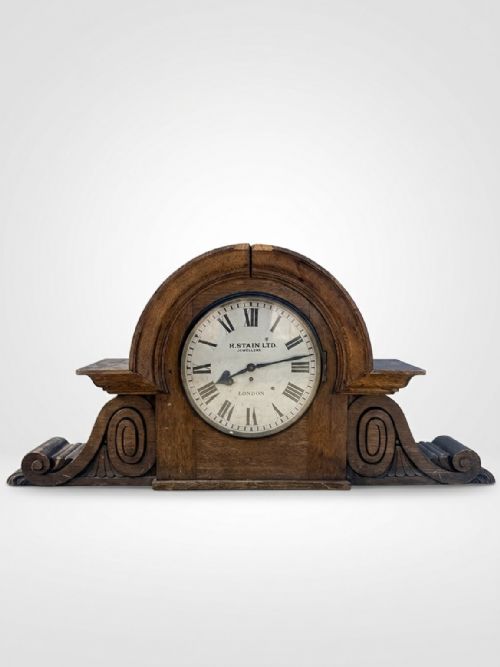
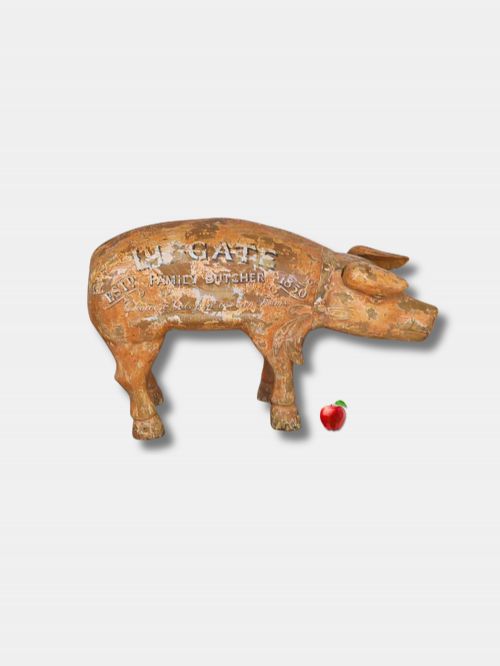
Beyond cabinetry, the category includes specialised mercantile items such as trade signs bearing family butcher names, lingerie advertising mannequins, and large clock face displays. These items survive from various international origins, including English, French, Italian, and Hungarian workshops.
Materials and Construction
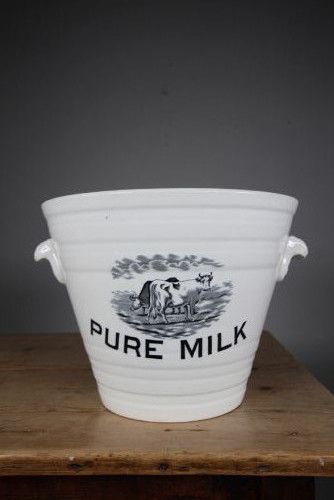
Makers constructed large shop displays using dense hardwoods such as mahogany and oak for structural stability, frequently pairing them with clear plate glass for visibility. Painted pine and creamware also appear in utilitarian items like dairy pails and multi-drawer fittings.
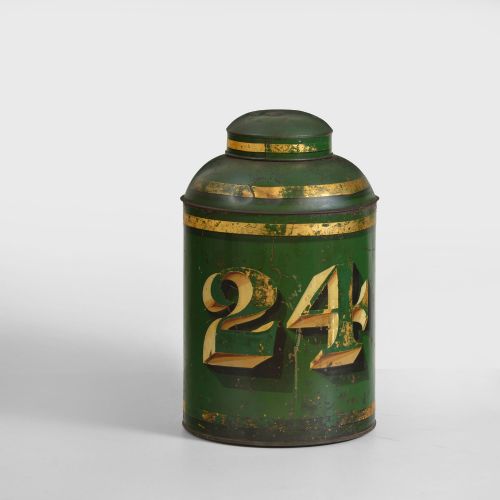
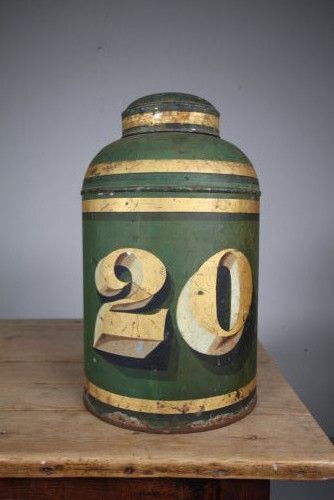
Surface treatments range from natural wood grains finished with gold leaf to applied paint on iron figures, trade signs, and toleware tea tins. Metal components in brass, bronze, and iron provide functional hardware and decorative framing for clocks and display counters.
Large Shop Display Retail Price Guide 2026
Typical asking prices for large shop display among the pieces listed under this phrase on Sellingantiques today, from the lower quarter to the upper quarter. They describe what is for sale here now, not the wider market.
Materials range from painted iron butcher display pigs to brass barometer mechanisms and glazed pine shop counters.
Evaluating Quality
Quality in a large shop display rests on the integrity of the original timber and the retention of authentic painted surfaces or trade lettering. Cabinets with generous proportions, well-joined drawers, and original glazed doors demonstrate superior craftsmanship compared to heavily altered domestic conversions.
The distinction between utilitarian commercial output and high-end retail fittings lies in the refinement of the joinery and the presence of maker details. Pieces retaining original hardware, functional clock movements, and untouched patination command greater interest from collectors.
E. Pollard & Co. Ltd.·Aitchison·Josef Herzog·Jenners of Edinburgh
The Large Shop Display Glossary
- Haberdashery cabinet
- A tall piece of furniture featuring numerous shallow drawers, often with glass fronts, originally designed for storing ribbons and small sewing goods. These cabinets provide functional storage for modern collectors.
- Carboy
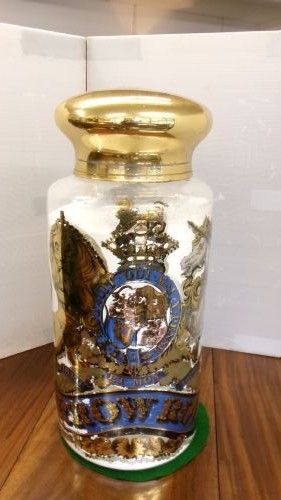
- A large, bulbous glass vessel used by chemists and apothecaries to hold liquids or display coloured water in shop windows. They are typically found with protective straw or wicker bases.
- Toleware
- Metalware painted and lacquered, often in tin, used for decorative and storage items such as tea canisters. This technique provides a durable surface suitable for commercial environments.
- Creamware
- A fine-grained, cream-coloured earthenware developed in the eighteenth century and widely used for utilitarian vessels. Its smooth glaze offers a clean appearance suited to dairy and shop use.
- Trade sign
- A board or sculptural figure hung outside or inside a shop to indicate the trade carried on within. These objects rely on bold painted lettering or recognizable animal forms to attract customers.
Large Shop Display: Frequently Asked Questions
What defines a shop display piece?
A shop display piece originates from a commercial retail environment rather than a domestic household. These items include glazed display cabinets, multi-drawer haberdashery fittings, and trade signs designed for heavy daily use.
Their robust construction and practical forms reflect the specific operational needs of nineteenth and early twentieth-century merchants and tradespeople.
How do I style a large cabinet at home?
Large display cabinets and counters provide substantial focal points for modern rooms, offering deep shelving and secure glass-fronted storage. They suit living spaces, kitchens, or studies where collections can be organised behind glass.
The neutral tones of aged mahogany, oak, and painted pine allow these commercial fittings to complement both contemporary and traditional interiors.
Were apothecary jars used for storage?
Apothecary jars and carboys held medicines, herbs, and dry goods in nineteenth-century chemists and medical shops. Large glass display jars with tight-fitting covers protected contents from moisture and dust while remaining visible to customers.
Today, these glass vessels function as decorative display objects in domestic settings, often retaining original painted labels.
How can I date an antique shop fitting?
Dating shop fittings involves examining the timber types, construction methods, and hardware alongside stylistic indicators of the Victorian, Edwardian, or Art Deco periods. Mahogany and heavy oak often point to the nineteenth century, while lighter bleached oaks and specific painted advertising typography suggest the early twentieth century.
Makers' marks or trade signatures painted on signs and cabinets also help narrow the period of manufacture.