


Large Overmantel Oval Mirror
A large overmantel oval mirror brings architectural presence and reflected light to a room, drawing the eye naturally above a fireplace mantel.
Large Overmantel Oval Mirror
When you search for a large overmantel oval mirror, you encounter pieces designed to anchor the expanse of wall directly above a fireplace, though many function equally well as grand hall or pier mirrors. The selection spans the nineteenth century, with strong representation from Victorian and Regency periods alongside Georgian, Edwardian, and eighteenth-century examples.
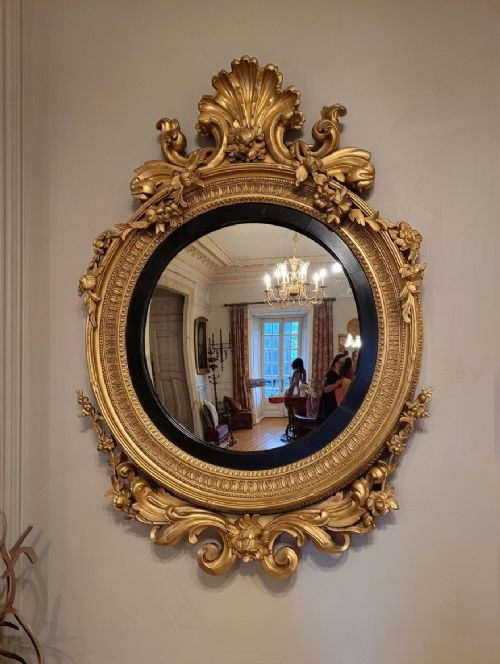
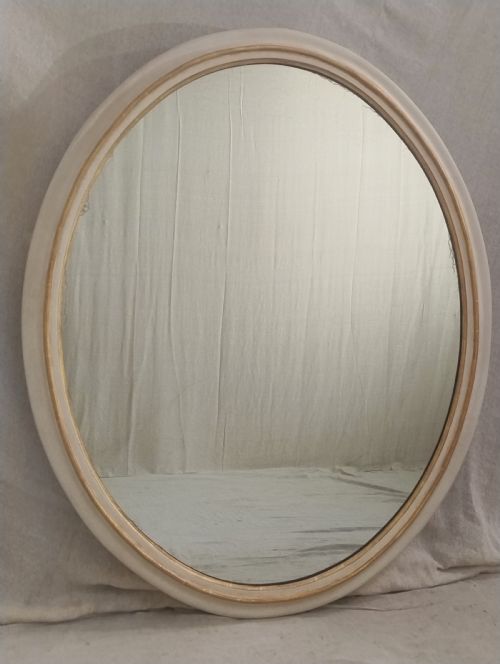
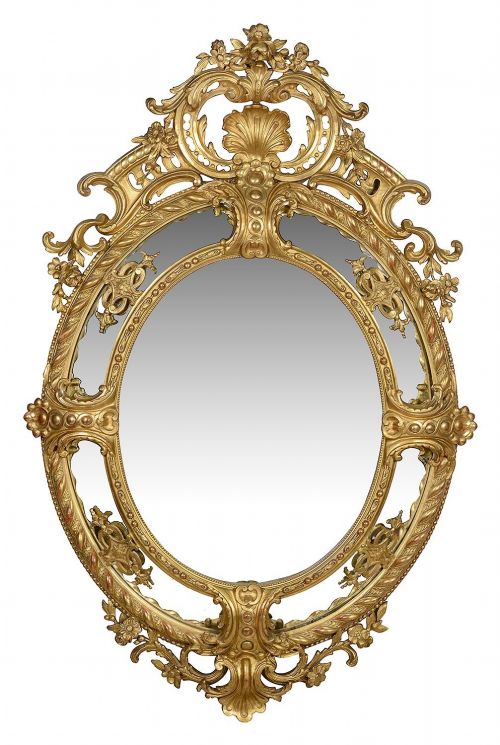
The most common form on this page is the giltwood and gesso wall mirror, frequently styled in the Rococo Revival, French Neoclassical, or Adam Revival manner. These pieces range from restrained cushion frames to monumental carved structures exceeding two metres in height.
Materials and construction
Makers built these frames using carved wood, composition ornament, and gesso applied over a timber base before finishing the surface in gold leaf or parcel-gilt. Certain examples incorporate ebonised timber or burr yew-wood paired with ormolu mounts.
Traditional construction methods involve joining heavy wooden frame sections to support substantial glass plates, often retaining original or early mirrored glass with genuine signs of age.
One towering neoclassical example reaches a monumental height of two hundred and sixty centimetres, requiring exceptionally high ceilings to feel properly at home.
Assessing quality and craftsmanship
Quality in a large overmantel oval mirror rests in the depth and crispness of the hand-carved detail or the modelled gesso ornamentation. Superior examples maintain sharp relief in foliage, scrolls, and classical motifs without the softening that occurs in lesser cast replacements.
The integrity of the original gilding and the weight of the timber frame distinguish finer decorative pieces from standard production. Frames that retain their original structural bracing and authentic plate glass command greater appreciation among collectors.
The Large Overmantel Oval Mirror Glossary
- Overmantel mirror
- A large mirror specifically proportioned to hang on the wall directly above a fireplace mantelpiece. These pieces often feature horizontal or vertical ovals designed to echo the architectural lines of the hearth.
- Giltwood
- Timber that has been coated with a thin layer of gold leaf. This technique creates a luminous surface that catches and multiplies interior light.
- Gesso
- A plaster-like mixture applied to wood frames to create a smooth surface for gilding or to be moulded into intricate decorative reliefs. It allows for sharp, sculptural ornamentation.
- Composition
- A mouldable mixture of whiting, resin, glue, and linseed oil pressed into decorative motifs. It was widely used in nineteenth-century workshops to ornament frames more quickly than hand carving.
- Pier mirror
- A tall mirror designed to hang on the pier, or solid section of wall, between two windows. They share similar decorative scales and proportions with overmantel mirrors.
- Parcel-gilt
- A decorative treatment where only specific portions of a wooden frame are highlighted in gold leaf, leaving the underlying wood or ebonised finish visible elsewhere.
Large Overmantel Oval Mirror: Frequently Asked Questions
How do I hang a heavy overmantel mirror?
Due to the substantial weight of timber, gesso, and thick glass plates, these mirrors require professional wall anchoring into structural studs or masonry.
Hardware should distribute the vertical load evenly across the frame rather than relying on a single central fixing point.
Where should I place an oval mirror?
The traditional placement is centrally positioned above a drawing room fireplace or dining room sideboard to reflect ambient light and open up the space.
They also function effectively as statement pieces in entrance halls, positioned above console tables.
How do I identify a Victorian mirror?
Victorian examples frequently display exuberant Rococo Revival or classical revival ornament executed in heavy giltwood and gesso.
Examination of the backing boards, screw types, and oxidation patterns on the glass helps confirm nineteenth-century production.
Are the mirror plates original?
Many antique pieces retain their original glass plates, which frequently exhibit minor foxing, speckling, or gentle distortion.
Replacements occur when earlier glass suffered breakage, so checking the back for signs of modern silvering provides clarity.
What is the difference between Adam style and Rococo style?
Adam style frames draw on neoclassical restraint, featuring symmetrical swags, urns, and crisp beaded borders derived from ancient architecture.
Rococo style frames embrace asymmetry, C-scrolls, and exuberant naturalistic leaf motifs inspired by organic forms.