





Large Oriental Bowl
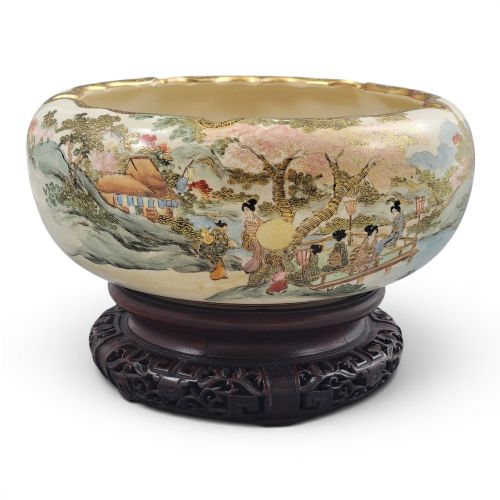
A large oriental bowl brings scale and hand-painted colour to a room, drawing the eye with centuries of craft from China and Japan.
Large Oriental Bowl
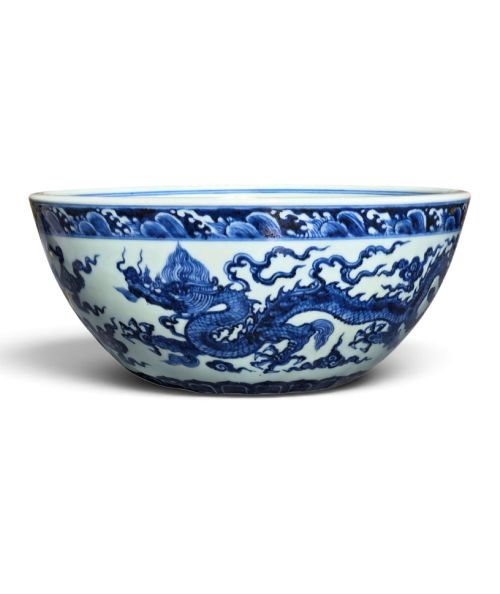
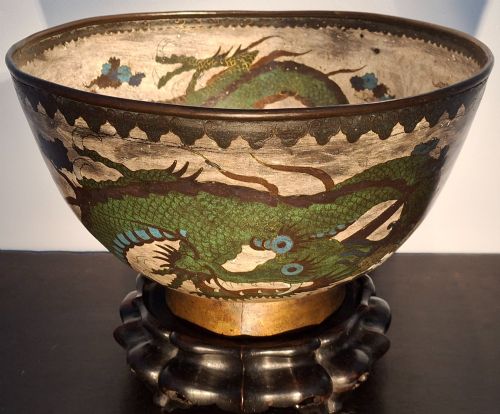
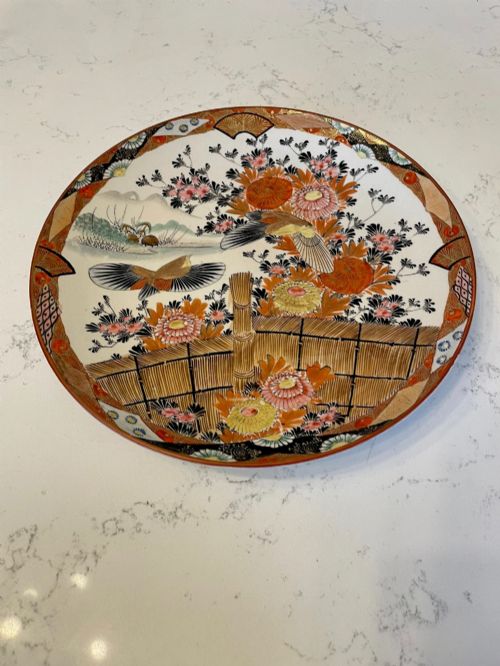
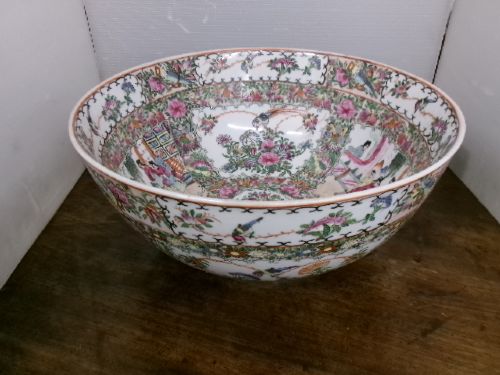
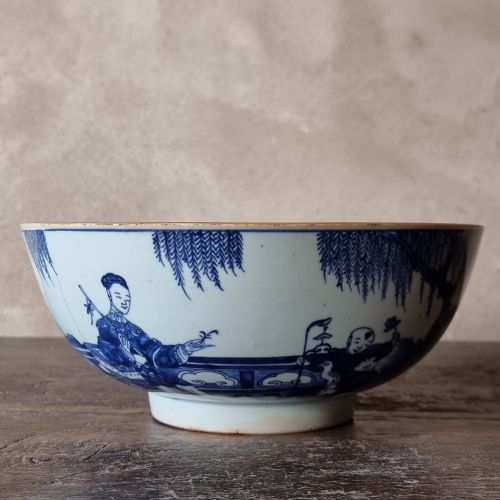
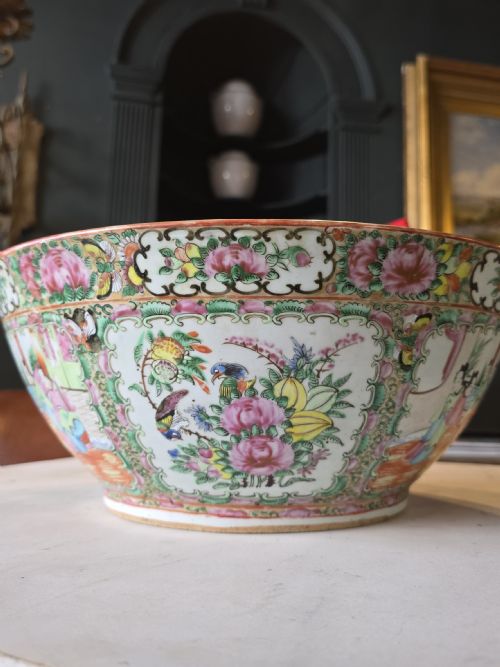
The pieces on this page span the seventeenth century to the early twentieth century, featuring styles from the Qing Dynasty and the Japanese Meiji period. Chinese Canton export wares and Japanese Imari palettes dominate the selection alongside bronze and cloisonné enamel works.
Materials and construction
Potters shaped porcelain on the wheel or pressed clay into moulds before applying cobalt blue underglazes or polychrome enamels by hand. Cloisonné pieces utilised thin metal wires soldered to a bronze or copper base to create compartments filled with coloured enamel pastes before firing.
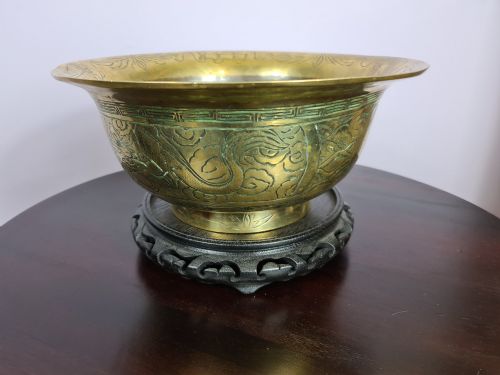
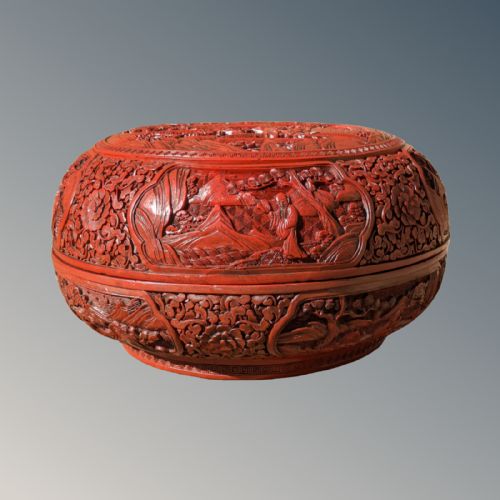
Metal vessels relied on bronze and brass casting techniques, sometimes accented with gold leaf or carved cinnabar lacquer. Artisans worked copper, wood, and glazes to achieve durable finishes designed for heavy domestic or ritual use.
Large Oriental Bowl Retail Price Guide 2026
Typical asking prices for large oriental bowl among the pieces listed under this phrase on Sellingantiques today, from the lower quarter to the upper quarter. They describe what is for sale here now, not the wider market.
Some heavy bronze bowls tip the scales at two kilograms, offering a solid reminder that historical dining involved serious metalwork.
Distinctions in craftsmanship
Quality rests in the precision of the hand-painted brushwork, the depth of the enamel colours, and the crispness of the bronze casting. Superior porcelain bodies display an even glaze without cloudiness, while fine cloisonné exhibits tight, uniform wirework holding smooth enamel.
Signatures by renowned masters or imperial style marks elevate a piece, reflecting the standing of the workshop. Weight and structural stability also distinguish substantial vessels, particularly in larger bronze bowls and heavy jardinieres.
Shozo·Shizan·Ryuzan
The Large Oriental Bowl Glossary
- Imari
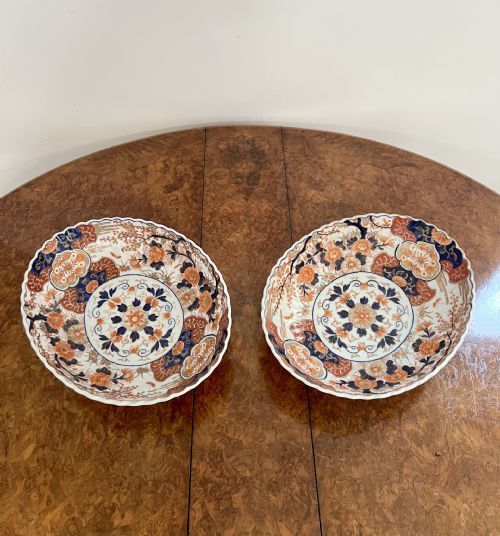
- A style of Japanese porcelain featuring a distinct palette of underglaze blue, iron red, and gilt highlights. These pieces originated in Arita and gained popularity through export trade.
- Cloisonné
- An enamelwork technique where metal wires form raised cells on a copper or bronze base. Artisans fill these compartments with powdered glass paste and fire the vessel.
- Famille Rose
- A palette of opaque rose-pink and other soft enamel colours introduced to Chinese porcelain during the Qing Dynasty. The style allowed for painterly floral and figural scenes.
- Jardiniere
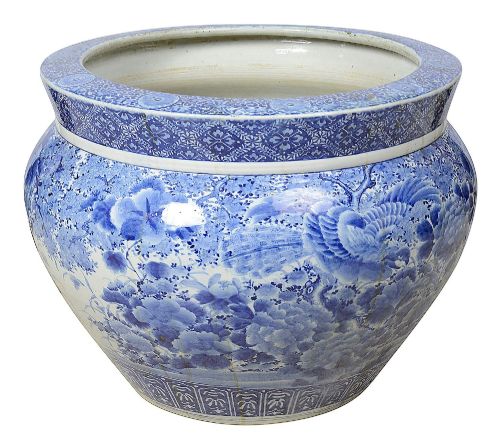
- A large ornamental pot or planter designed to hold growing plants indoors. Such vessels frequently appear in heavy ceramic, bronze, or cloisonné.
- Punch bowl
- A wide, deep vessel traditionally used for mixing and serving alcoholic beverages at gatherings. These substantial porcelain or earthenware bowls often feature elaborate interior and exterior decoration.
Large Oriental Bowl: Frequently Asked Questions
How were large oriental bowls used historically?
Many of these large vessels served practical purposes in elite households, functioning as punch bowls for entertaining or deep basins for washing hands and brushes. Others acted as indoor planters for large foliage or stood as decorative centrepieces in reception rooms.
Heavier metal bowls had roots in ritual food service or ceremonial settings before transitioning to decorative objects. Their generous proportions allowed artisans to display complex pictorial narratives across the surface.
Can I use an antique jardiniere for live plants?
While these heavy ceramic and bronze vessels were built to hold plants and water, antique pieces require careful handling to protect the interior glaze and metal surfaces. Placing a modern plastic liner inside the bowl prevents moisture from sitting directly against porous old clay or metal.
Drainage holes are often absent in older jardinieres, so watering must be managed conservatively to avoid root rot and protect the material. Regular maintenance preserves the exterior hand-painted enamel or bronze finish.
What is the difference between a punch bowl and a fish bowl?
Punch bowls are open, rounded porcelain or ceramic vessels with smooth rims designed for serving liquids at communal gatherings. They prioritize internal decorative visibility so guests could view the painted motifs as the contents emptied.
Fish bowls, often referred to as jardinieres, possess thicker walls and a heavily reinforced rim intended to contain water and aquatic life or heavy soil. They feature robust bases to support the substantial weight of water and earth combined.