




Large Oak Shelves
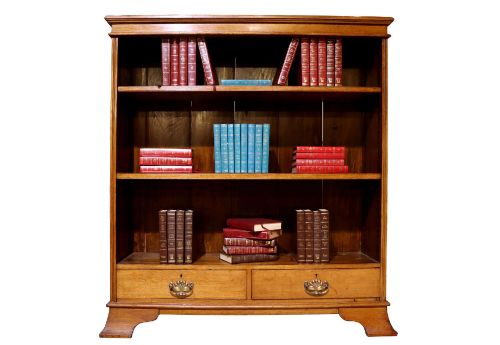
Large oak shelves bring immediate structural presence to a room, offering robust utility and deep timber grain.
Large Oak Shelves
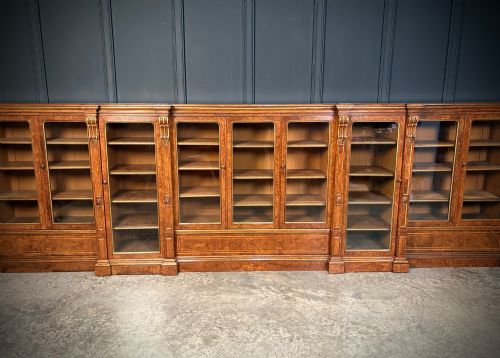
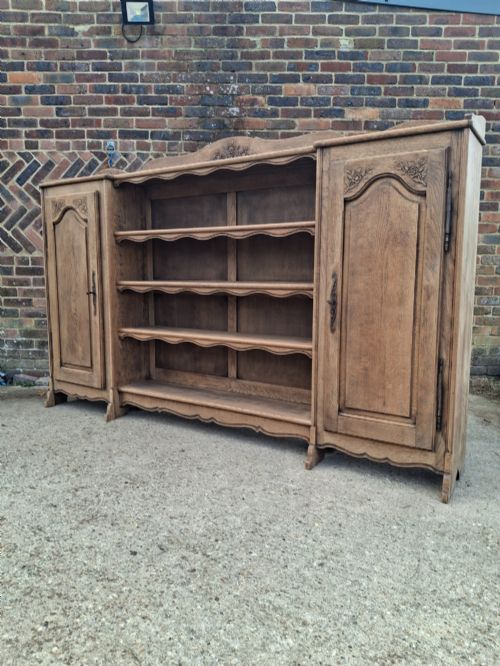
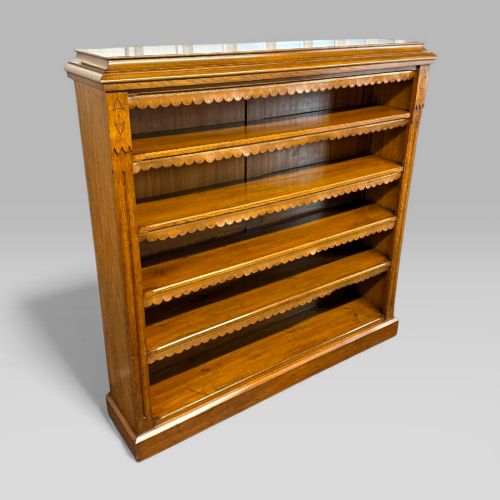
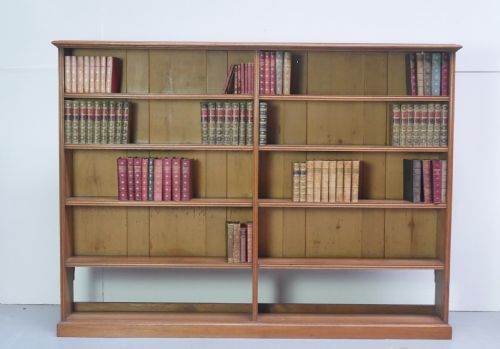
Large oak shelves encompass open bookcases, wall hanging shelves, and bookcases with fitted adjustable storage, primarily originating from the nineteenth and early twentieth centuries. Pieces span Victorian, Edwardian, and eighteenth-century origins, often displaying styles such as Gothic Revival, Aesthetic Movement, and Renaissance Revival.
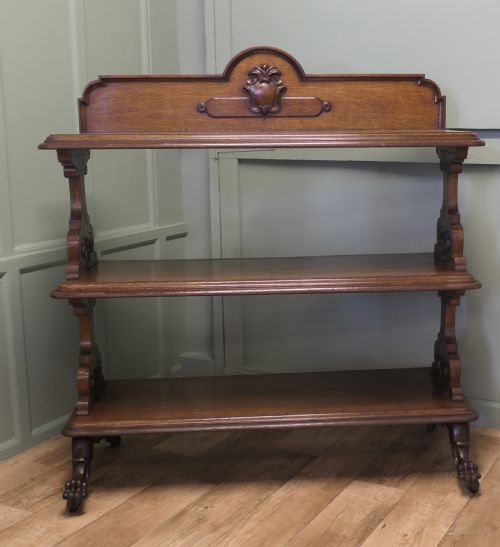
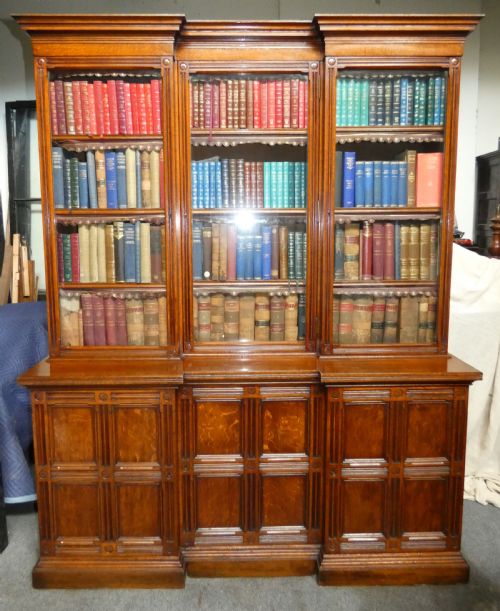
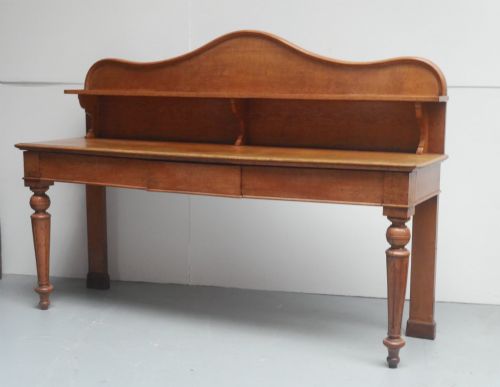
The selection ranges from tall library bookcases and breakfront cabinets to serving tables and Welsh dressers, constructed predominantly from golden, carved, and bleached oak. Buyers encounter both utilitarian open-front formats and more ornate country house designs featuring architectural salvage elements.
Materials and construction
Construction relies heavily on solid oak timber, frequently accented with brass hardware, glass panels, and iron or cast iron fittings. Cabinetmakers shaped the heavy wood using traditional joinery methods to support substantial weight across wide spans.
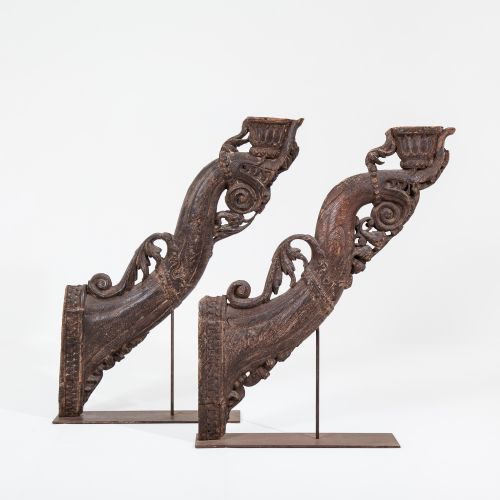
Surface ornamentation often involves detailed carving, reflecting the aesthetic movements and revival styles popular during the Victorian and Edwardian eras. Bleached and golden finishes highlight the natural grain and figure of the timber.
Large Oak Shelves Retail Price Guide 2026
Typical asking prices for large oak shelves among the pieces listed under this phrase on Sellingantiques today, from the lower quarter to the upper quarter. They describe what is for sale here now, not the wider market.
Assessing quality
Quality rests upon the selection of the timber and the crispness of any applied carving, particularly in pieces influenced by the Gothic or Renaissance revivals. Heavier sectioned oak and well-figured grain distinguish the superior examples from standard utility furniture.
The integration of functional elements, such as adjustable shelving mechanisms and secure bracket supports, marks the distinction between workshop production and finer cabinet work. Original hardware and undisturbed surface patination further elevate the standing of a piece.
Gillows
The Large Oak Shelves Glossary
- Breakfront
- A piece of furniture having a central section that projects forward from the flanking sections. This configuration adds architectural depth to large bookcases and sideboards.
- Aesthetic Movement
- A late nineteenth-century design style emphasising visual beauty over narrative subject matter. Pieces from this movement often feature refined proportions and stylised carving.
- Gothic Revival
- An architectural and decorative style drawing on medieval ecclesiastical forms. Characteristics include pointed arches, heavy mouldings, and robust carved oak detailing.
- Welsh Dresser
- A traditional kitchen or dining room storage unit featuring lower cupboards or drawers surmounted by open plate racks. These large pieces provide substantial display and storage space.
- Revolving bookcase
- A compact or large freestanding shelving unit mounted on a rotating pivot base. This design allows access to books from multiple angles in a library setting.
Large Oak Shelves: Frequently Asked Questions
How do I support heavy books safely?
Large oak shelves are inherently sturdy and designed to bear significant weight, particularly those originating from nineteenth-century libraries.
Ensure the unit is secured to the wall if storing exceptionally dense volumes to prevent tipping.
Are the shelves adjustable on Victorian models?
Many Victorian and later bookcases feature adjustable shelf fittings, allowing you to alter the internal configuration for different book heights.
Check individual descriptions to confirm whether the original pin and slot mechanisms remain intact.
Where should I place a large bookcase?
These substantial pieces require solid wall space and benefit from rooms with adequate clearance to display their architectural presence.
Keep them away from direct heat sources and strong sunlight to protect the oak timber and finish.
How do I distinguish Edwardian oak from Victorian oak?
Edwardian pieces often utilise lighter golden oak finishes and tend towards slightly cleaner, less congested carved ornamentation than their Victorian counterparts.
Victorian pieces frequently display heavier Gothic or Renaissance revival influences with darker patination.