

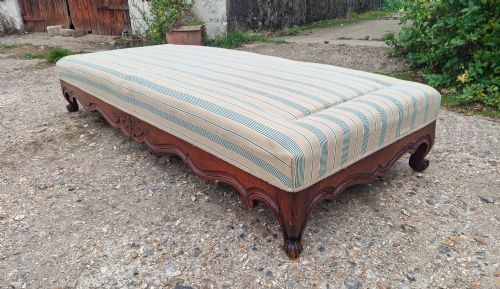
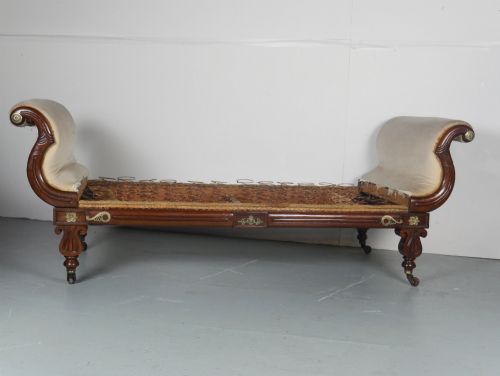
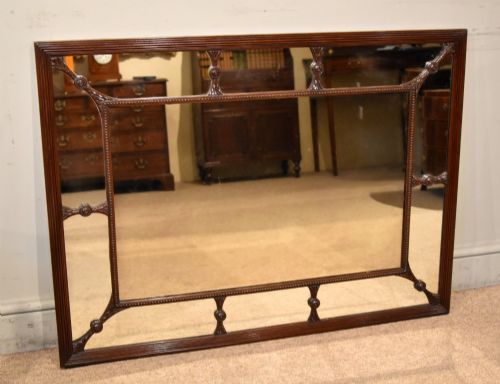
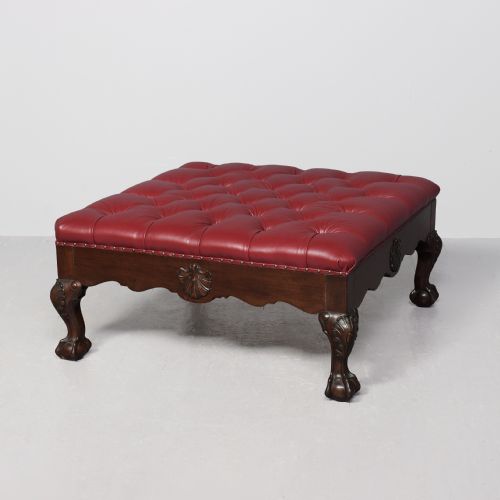



Large Mahogany Frame
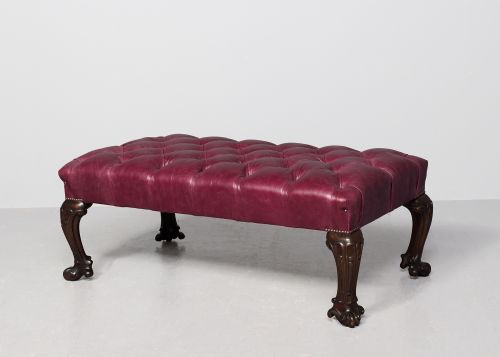
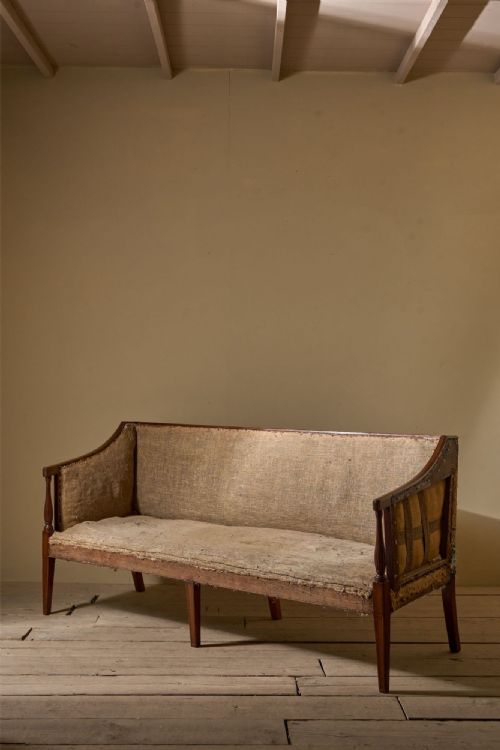
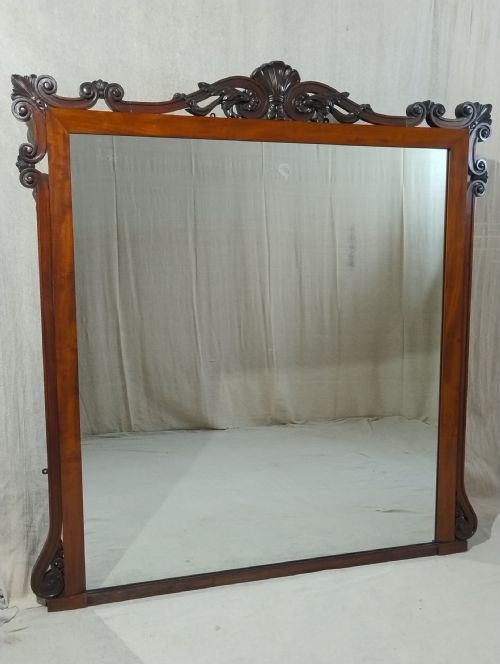
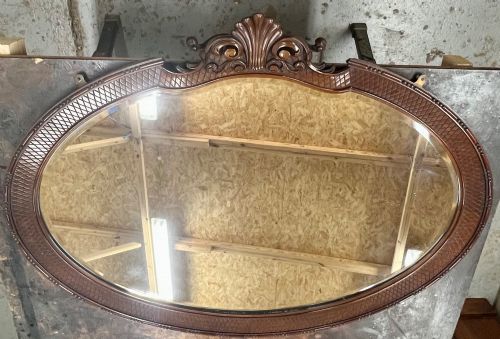
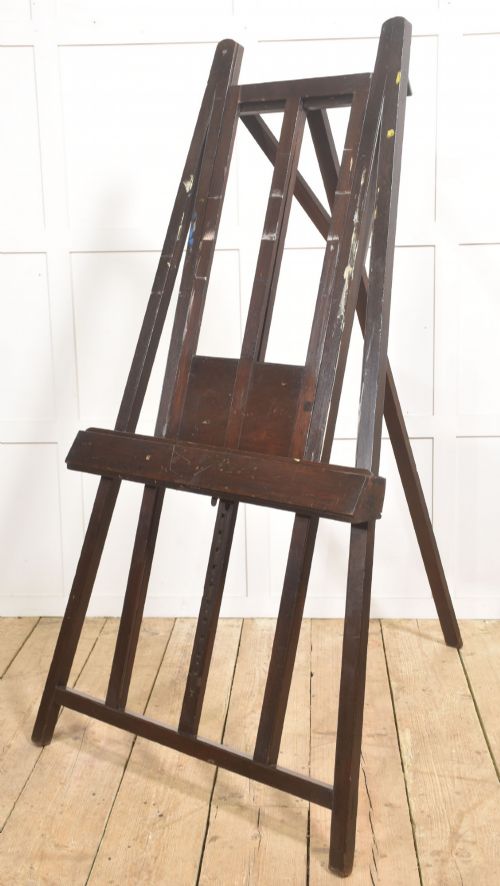
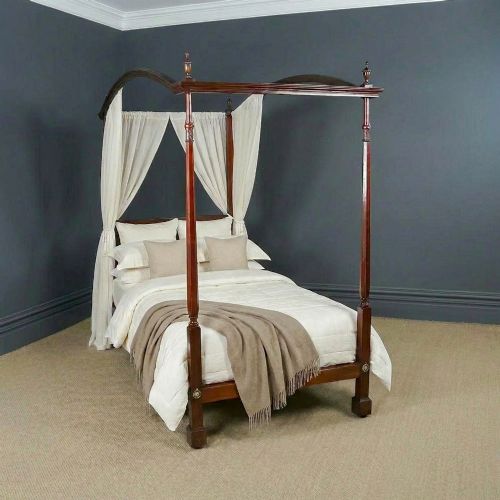
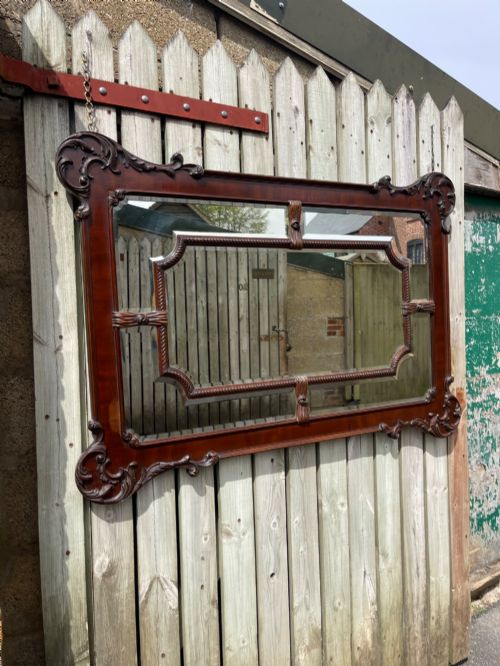
A large mahogany frame holds everything from deep-seated library armchairs to grand overmantel mirrors, offering substantial scale and rich timber grain for period interiors.
Large Mahogany Frame
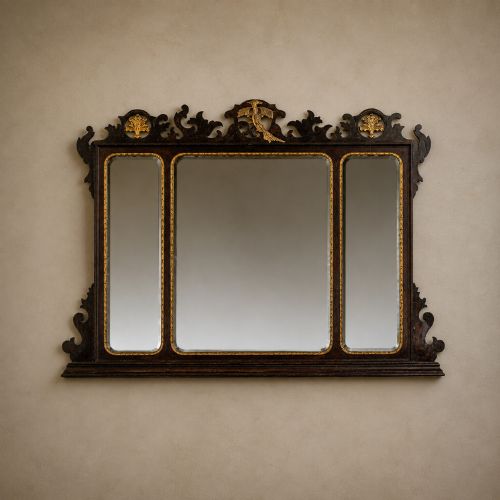
Buyers seeking this phrase encounter significant architectural pieces built to anchor large rooms, including cheval glasses, triptych mirrors, and library settees. The timber appears either polished to a warm natural sheen or embellished with parcel-gilt details, reflecting the changing tastes of Georgian, Victorian, and Edwardian households.
Distinctions in construction and design
The standard of a large mahogany frame rests upon the depth of the timber carving and the integrity of the original joints. Superior examples display crisp hand-carved details, such as parcel-gilt enrichment or balanced fretwork, rather than superficial machine shaping.
Proportion and presence dictate the desirability of these pieces, with well-balanced architectural frames commanding attention through harmonious scale. The retention of original glass, patinated leather, or early upholstery fabric elevates an object far above later restorations.
Large Mahogany Frame Retail Price Guide 2026
Typical asking prices for large mahogany frame among the pieces listed under this phrase on Sellingantiques today, from the lower quarter to the upper quarter. They describe what is for sale here now, not the wider market.
Listings demonstrate forms ranging from George III library armchairs to Edwardian inlaid wall mirrors, constructed in mahogany, glass, and brass.
Miles and Edwards·Heals of London
The Large Mahogany Frame Glossary
- Overmantel mirror
- A large horizontal mirror designed to hang specifically above a fireplace mantelpiece. These often feature elaborate crestings and architectural mouldings.
- Parcel-gilt
- A decorative technique where specific carved portions of a mahogany frame receive a thin application of gold leaf, contrasting with the dark wood.
- Fret mirror
- A wall mirror featuring a frame cut with intricate geometric or pierced fretwork designs, popular during the eighteenth century and later revived.
- Show frame
- A wooden structural framework left exposed around the upholstered elements of a sofa or armchair, displaying the polished timber grain.
Large Mahogany Frame: Frequently Asked Questions
How do I hang a heavy overmantel mirror?
Heavy overmantel mirrors require secure wall fixings distributed across multiple points to support the substantial combined weight of the timber frame and thick glass plate. Professional installation into masonry or primary wall studs ensures safety.
Because these large frames bear significant structural load, professional mirror hangers often utilise heavy-duty steel brackets or mirror plates screwed directly into the wall framework rather than relying on standard picture wire.
What periods do these mahogany frames represent?
The pieces span from the Georgian era through the Victorian and Edwardian periods, including several revival styles such as Chippendale and George II designs. Each era brings distinct carving depths and proportions to the timber.
Earlier pieces often feature hand-cut fretwork and subtle parcel-gilt details, while later nineteenth and early twentieth-century examples frequently adopt grander, heavier proportions suited for large country house interiors.
How should I care for antique mahogany timber?
Regular dusting with a soft, dry cloth preserves the polished surface of the mahogany without building up heavy wax residues. Direct sunlight and sudden temperature changes should be avoided to prevent the timber from drying or cracking.
Leather and fabric elements upholstered within the frames benefit from gentle cleaning appropriate to their specific textiles, keeping the surrounding wood free from moisture and chemical sprays.
Are these frames entirely solid mahogany?
Most substantial frames utilise solid mahogany for structural integrity and exposed mouldings, occasionally incorporating secondary support timbers behind mirrors or within internal sofa frames. High-grade pieces rely on the dense grain for structural stability.
Where fretwork or carved crestings occur, craftsmen carved directly into the solid mahogany board to achieve crisp edges and enduring strength.