



Large Kitchen Buffet
A large kitchen buffet serves as the central anchor of a busy country room, offering deep storage and sturdy preparation space.
Large Kitchen Buffet
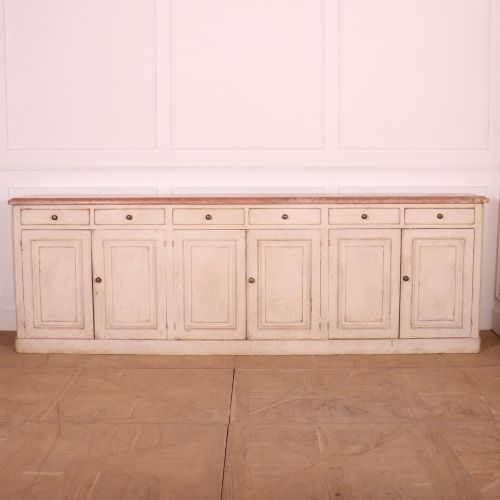
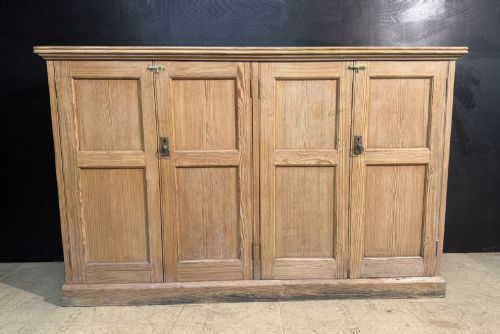
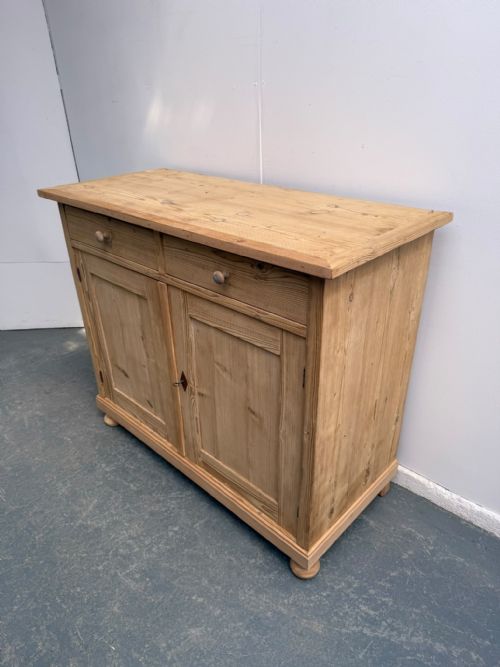
A large kitchen buffet encompasses substantial storage forms designed for culinary spaces, most frequently appearing on this page as pine dresser bases, housekeepers cupboards, and substantial sideboards. These pieces provide generous surface areas and deep internal cavities meant to hold heavy domestic provisions and tableware. The inventory spans from the eighteenth century through the Victorian era and into the early twentieth century, showing robust utilitarian construction.
The English country house tradition and Victorian farmhouse styles dominate the offerings, alongside examples originating from continental Europe such as Hungary. Buyers frequently encounter pine and oak variations fitted with multiple drawers and panelled doors. These sturdy items reflect a history of hard domestic service rather than delicate parlour display.
Materials and Construction
Makers relied heavily on solid pine, oak, and mahogany, selecting timbers based on local availability and the functional demands of the kitchen. Pine surfaces often accepted historic coats of paint or were left to be waxed, while hardwoods like oak and cherrywood provided structural rigidity for heavy use. Brass and iron hardware, including drop handles and hinges, secured doors and drawer fronts against daily strain.
Joinery techniques prioritised durability over ornamentation, utilising panelled construction for doors and robust framing for bases. Bread slides and deep drawers integrated smoothly into the carcasses to assist with food preparation and linen storage. Surfaces accumulated patination over decades of scrubbing and handling.
Large Kitchen Buffet Retail Price Guide 2026
Typical asking prices for large kitchen buffet among the pieces listed under this phrase on Sellingantiques today, from the lower quarter to the upper quarter. They describe what is for sale here now, not the wider market.
Several pieces include hidden bread slides, offering a glimpse into the daily baking habits of past Victorian housekeepers.
Grading Quality in Buffet Bases
Quality separates pieces by the integrity of their timber and the completeness of their original hardware. Superior examples retain their substantial proportions, uncompromised structural timbers, and period-appropriate brass or iron fittings without extensive modern timber replacement. The depth of the patination on pine, oak, or mahogany surfaces also indicates how well the piece maintained its character through years of service.
Proportion and scale dictate the visual weight of a buffet within a room. Finer examples display balanced door and drawer arrangements, such as symmetrical two-door and two-drawer configurations, alongside thoughtful details like integrated bread slides. Lesser quality often reveals clumsy timber alterations or mismatched replacement hardware that disrupts the historic utility of the piece.
The Large Kitchen Buffet Glossary
- Dresser Base
- The lower portion of a traditional kitchen dresser featuring drawers and cupboards without the upper plate rack. This configuration provides a flat working surface and enclosed lower storage.
- Housekeepers Cupboard
- A tall, large storage cabinet used in large country houses to store linens, dry goods, and domestic supplies. These pieces typically feature multiple panelled doors enclosing deep shelving.
- Bread Slide
- A pull-out wooden board integrated into the cabinetry of a dresser base. Historically utilised for cooling bread or preparing food within the kitchen workspace.
- Patina
- The surface sheen and colour acquired by wood and metal over long periods of use and cleaning. This quality distinguishes aged historic timber from modern surfaces.
Large Kitchen Buffet: Frequently Asked Questions
Where should I place a large buffet?
These substantial pieces require a wall with enough clearance to accommodate their depth and length without crowding walkways. They function well in kitchens, dining rooms, or large open hallways where their storage capacity can be fully utilised.
Ensure the chosen room has adequate floor strength and doorway clearance, as these heavy wooden items demand stable placement. Positioning them away from direct heat sources protects the historic timber from drying and splitting.
How do I clean waxed pine furniture?
Maintain waxed pine surfaces by dusting regularly with a soft, dry cloth to prevent grit accumulation. Apply a suitable beeswaxes sparingly when the wood appears dry, buffing it gently to restore the protective sheen.
Avoid using harsh chemical sprays or excessive water, as moisture damages traditional wax finishes and softens the timber. Promptly wipe up any spills to prevent permanent staining on the historic surface.
What is the difference between an 18th and 19th-century base?
Eighteenth-century pieces often utilise hardwoods such as oak, walnut, or cherrywood, showcasing earlier joinery methods and deeper patination. Nineteenth-century examples more commonly feature pine construction, sometimes finished with paint or wax, reflecting changing domestic fashions.
Examining the internal drawer construction and tool marks helps differentiate the manufacturing period. Earlier pieces tend to show hand-riven timbers and older iron fastenings compared to later Victorian iterations.
Can I paint a stripped pine buffet?
Many historic pine pieces historically carried coats of paint before being stripped down to bare wood in later decades. Applying a breathable traditional paint finish follows established domestic practices for these versatile storage items.
Consider the existing patination and timber type before altering the finish, as original paint surfaces hold distinct historical value. Preparing the wood properly ensures the new coating adheres evenly to the pine.