


Large Industrial Clock
A large industrial clock brings heavy metal presence and honest utility into a room, forged for factories, stations and towers.
Large Industrial Clock
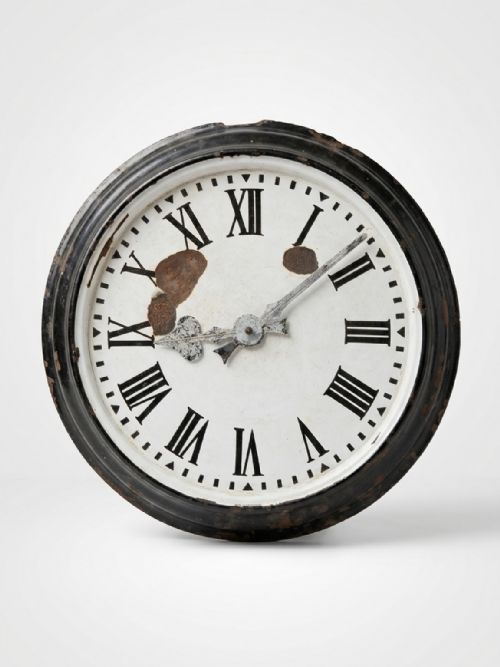
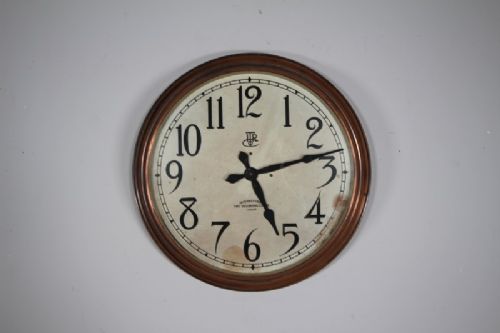
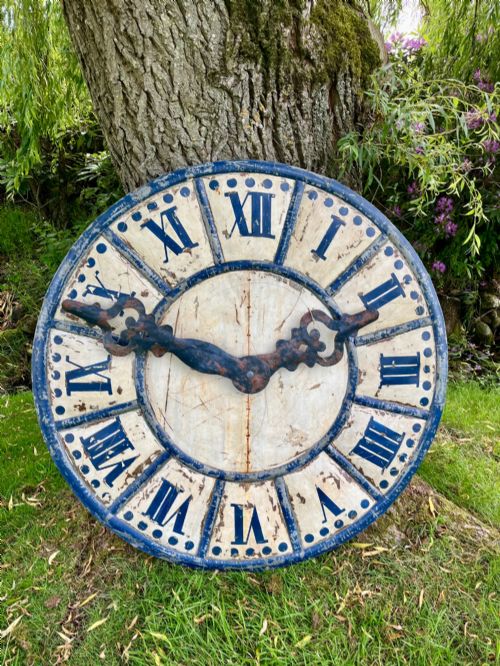
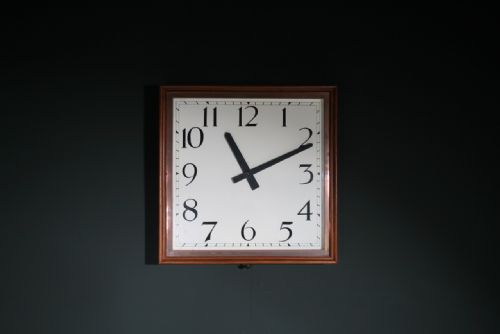
A large industrial clock brings heavy metal presence and honest utility into a room, forged for factories, stations and towers. When searching for a large industrial clock, you encounter heavy timepieces originating from Victorian times through to the mid twentieth century. These pieces encompass utilitarian wall clocks, massive clock dials and architectural salvage from English and French makers.
The selection on this page leans heavily toward wall clocks and standalone dials dating from the Edwardian era, the 1920s and the 1930s. Forms range from simple railway and station timepieces to double-sided shop signs and ship bulkhead clocks. French and English origins dominate, alongside specific examples of architectural salvage.
These items were originally built for heavy use in industrial settings, transport hubs and public buildings. Surviving examples display the robust engineering and utilitarian design necessary for high-traffic environments. Today, they serve as striking focal points in domestic and commercial interiors.
Materials and construction
Construction relies heavily on durable metals including iron, steel, copper, zinc and brass. Many faces combine these metallic elements with robust glass covers and vitreous enamel dials designed to withstand harsh environments. Occasional wooden elements, such as walnut, appear in domestic or office adaptations.
Makers utilised heavy-gauge metalwork, riveted casings and fired enamel for longevity in factories and railway stations. Turret and tower clock faces often involved heavy ironwork paired with copper or zinc detailing. Dial faces typically feature bold painted or enamelled numerals for high legibility from a distance.
Several clocks carry the ghosts of long-gone railway timetables and factory shifts on their enamel faces.
Assessing quality and authenticity
Quality rests upon the originality of the dial, the integrity of the metal housing and the preservation of authentic patina. Pieces retaining their original factory paint, signage and hands command greater interest than those with modern replacements. The depth of character in weathered enamel and oxidized copper distinguishes superior examples.
The structural integrity of the casing and the clarity of the original maker's lettering influence desirability. Clocks retaining genuine working mechanisms or documented provenance from known makers offer stronger historical value. The balance between industrial grit and clean legibility defines the top tier of these pieces.
Joyce Whitchurch·Josef Herzog·Smiths of London·Gents of Leicester·Genalax·ATO
The Large Industrial Clock Glossary
- Clock Dial
- The circular face of a clock displaying numerals and markings without the surrounding case or mechanism. These often survive independently as wall art.
- Turret Clock
- A large clock mounted in a tower, gable or architectural peak, typically designed to be viewed from a distance outdoors.
- Bulkhead Clock
- A heavy-duty timepiece housed in a waterproof or robust metal casing designed for mounting on ship walls.
- Vitreous Enamel
- A material made by fusing powdered glass to a substrate by firing, producing a durable, glossy surface commonly used on clock faces.
- Architectural Salvage
- Building components and large fixtures rescued from structures slated for demolition or renovation, often repurposed for interior decoration.
Large Industrial Clock: Frequently Asked Questions
Are these clocks suitable for outdoor use?
Many of these pieces originated outdoors on towers, stations and factory exteriors, making them inherently rugged. However, modern exposure to moisture depends on the specific seals and current condition of the housing.
Enamel dials and metal casings resist weather well, but delicate movements or electrical conversions require shelter. Check each piece individually for weatherproofing before exterior placement.
How do I date a factory wall clock?
Dating relies on stylistic clues, materials, and maker marks stamped on the dial or casing. Edwardian and Victorian pieces often feature distinct iron casting styles and hand-painted wooden or metal numbers.
Later 1920s and 1930s examples introduce materials like Bakelite and mass-produced enamel with specific corporate branding. Maker signatures provide the most reliable chronological anchor.
Do original factory clocks still keep accurate time?
Original mechanical movements vary in working order and often require specialist servicing to function reliably. Some examples feature modern quartz conversions for practical everyday timekeeping.
Listings specify whether a clock is currently working or sold as a decorative dial. Buyers prioritizing exact timekeeping often inspect movement descriptions closely.