



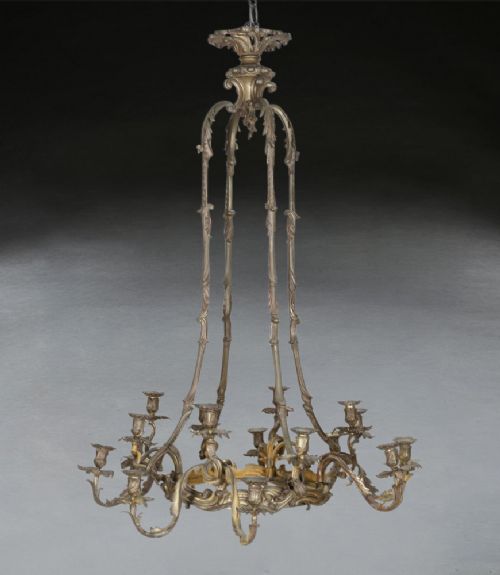


Large Hall Light
A large hall light anchors a generous entrance, offering both immediate illumination and architectural presence through substantial metalwork and glass.
Large Hall Light
A large hall light serves as the principal overhead illumination for grand entryways and high-ceilinged corridors, drawing the eye upward. When searching for a large hall light, buyers encounter hanging lanterns, ceiling lights, and chandeliers configured to cast ample light across expansive spaces.
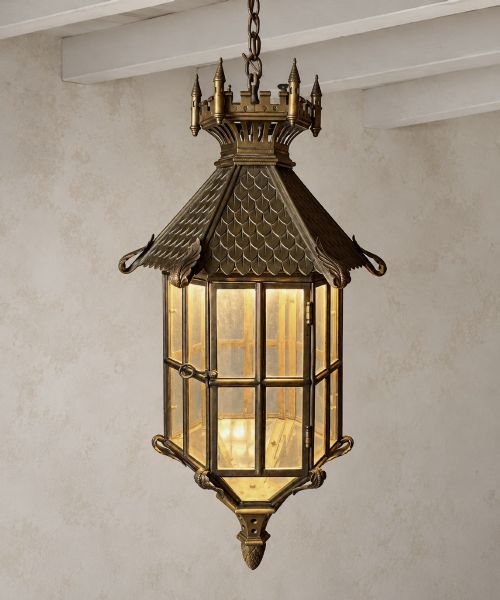
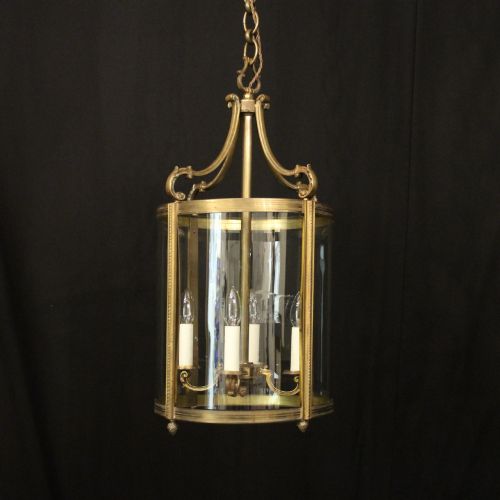
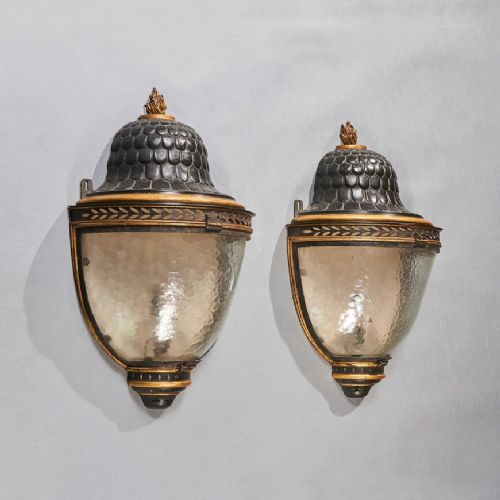
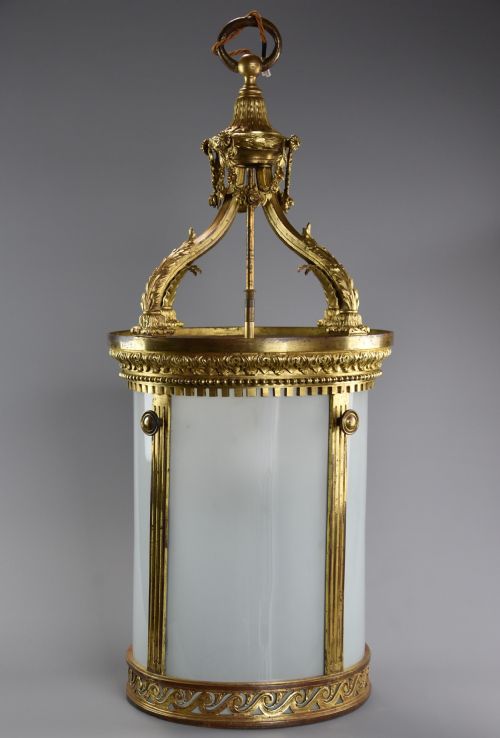
The selection on this page leans heavily toward substantial French lanterns and British examples spanning the Victorian, Edwardian, and early twentieth-century periods. These fixtures frequently employ robust metallic frameworks paired with clear, bevelled, or hand-blown glass panels designed to maximise light diffusion.
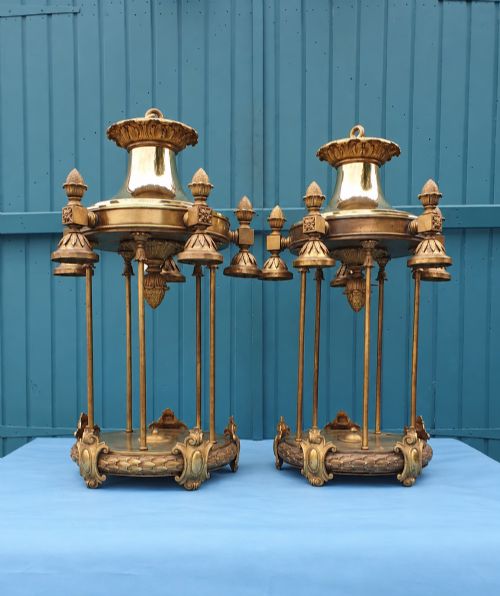
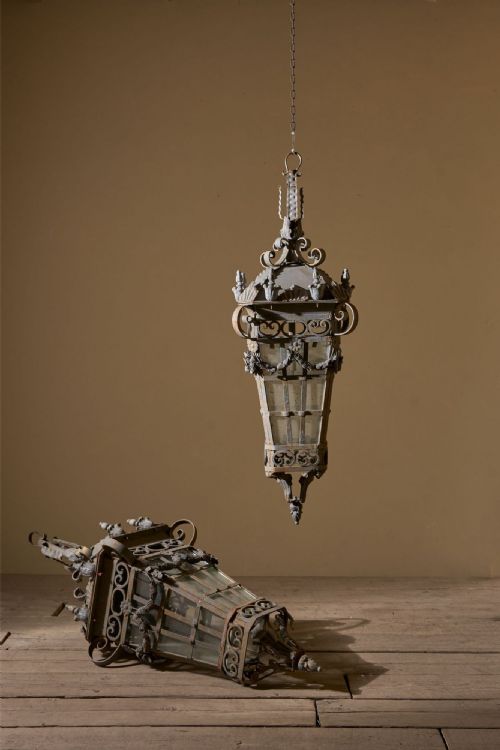
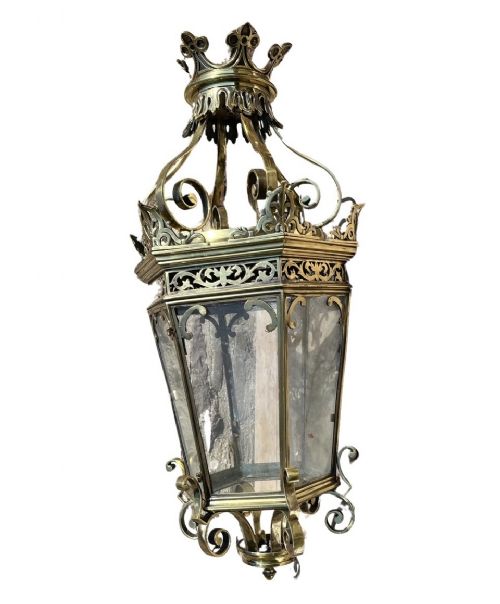
Forms range from hexagonal brass structures and gothic iron pendants to ornate gilded bronze fixtures originating from continental chateaux. Each piece brings a distinct architectural weight suitable for period properties and large domestic halls.
How they were made
Craftsmen built these fixtures using durable structural metals including brass, wrought iron, bronze, steel, and copper, often finished with gilding or parcel gilt details. Metal frames were cast, forged, or soldered together to support the considerable weight of glass panels and internal lighting assemblies.
Glazing techniques varied from simple sheet glass to hand-blown bullseye panes, opalescent glass, and heavy bevelled edges fitted securely into door frames or metal channels. These materials combined to withstand the demands of high-traffic entryways while diffusing candle, gas, or early electric light.
Large Hall Light Retail Price Guide 2026
Typical asking prices for large hall light among the pieces listed under this phrase on Sellingantiques today, from the lower quarter to the upper quarter. They describe what is for sale here now, not the wider market.
Listings feature brass, bronze, wrought iron, and steel materials shaped into French neoclassical, Gothic revival, and Arts and Crafts lanterns.
What varies in quality
Quality in these fixtures rests upon the crispness of metal casting, the weight of the bronze or brass framework, and the intricacy of decorative mounts. Superior examples exhibit refined chased details, substantial gauge metals, and heavy glass elements that remain tightly seated within their frames.
The sophistication of the stylistic execution - whether capturing French neoclassical symmetry or Gothic revival heft - distinguishes standard utility lighting from exceptional decorative pieces. Integrity of construction in the suspension loops and opening doors indicates the original maker's commitment to durability.
The Large Hall Light Glossary
- Gilt bronze
- Metal cast and coated with a thin layer of gold, providing a rich, enduring metallic lustre. This material is frequently observed on high-end French lanterns from the nineteenth and early twentieth centuries.
- Bulls eye glass
- A round, thick pane of glass featuring a central protuberance formed during the traditional blowing process. It adds texture and distorts light playfully within enclosed lantern frames.
- Tole peinte
- Painted sheet metal used to create decorative coloured components on lighting fixtures. This technique introduces painted hues alongside standard metallic finishes.
- Bevelled glass
- Glass panes featuring angled, polished edges that refract light into prismatic colours. This treatment elevates the visual refinement of standard hallway illumination.
Large Hall Light: Frequently Asked Questions
How do I hang a heavy hall light safely?
Hanging a substantial fixture requires securing the primary suspension chain directly into ceiling joists or structural timber rather than relying solely on plaster. Professional electricians should assess the weight distribution and utilise rated fixings.
Ensuring the electrical junction box supports the load prevents structural strain over time. Proper drop height keeps the fixture well above head height while maximising its visual impact.
Can these lights be wired for modern electricity?
Most antique fixtures accommodate modern wiring configurations safely through careful internal rewiring by a qualified professional. Original lamp holders are typically replaced or adapted to meet current safety standards while preserving the exterior housing.
Low-wattage LED bulbs running on warm colour temperatures replicate the soft glow of historic candle or gas illumination. This approach protects delicate antique glass and metal components from excessive heat.
How do I clean antique glass and brass?
Cleaning requires gentle dusting with a soft, dry cloth to prevent scratching delicate metal patinas or fragile glass surfaces. Avoid harsh chemical polishes that strip historical ageing from brass, bronze, and iron frameworks.
Glass panels can be removed carefully if secured by tabs, washed in mild soapy water, and dried thoroughly before reinstallation. Maintaining the patina preserves the visual authenticity of the piece.
What ceiling height suits a large lantern?
Ceilings exceeding three metres provide adequate clearance for substantial hanging lanterns and multi-light chandeliers without overwhelming the room. The bottom of the fixture should clear the floor by at least two and a half metres in open hallways.
Proportion matters more than raw height; a wider entryway accommodates a more voluminous hexagonal or circular frame. Measuring the sweep of any opening doors ensures the fixture avoids physical contact.