


Large Gold Pendant
When you search for large gold pendant, you encounter substantial works from the Victorian, Edwardian, and mid-century periods that carry notable presence on the body or chain.
Large Gold Pendant
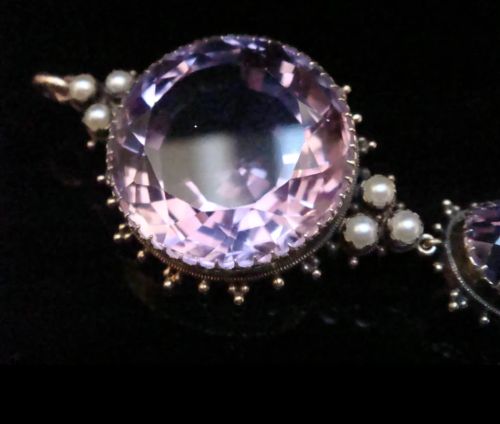
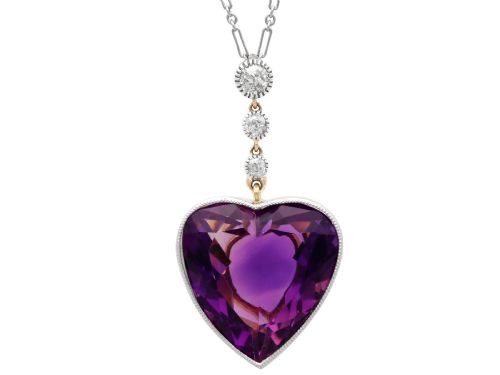
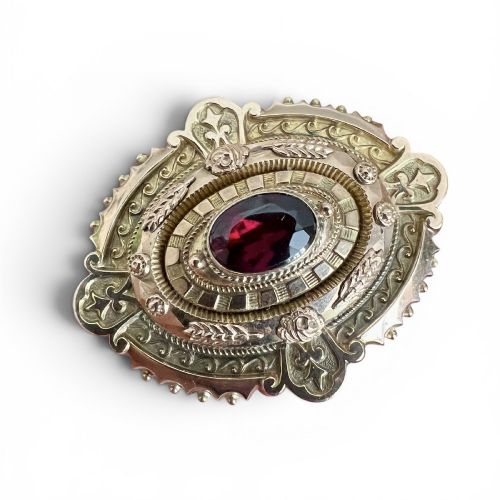
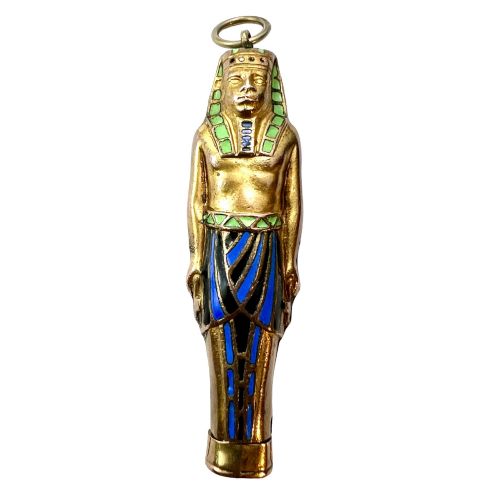
A large gold pendant brings together substantial precious metal settings and prominent central gemstones across the Victorian, Edwardian, and mid-century periods. These pieces include heart drops, lockets, swivel fobs, zodiac charms, and gemstone solitaires designed to be worn on substantial chains.
The selections on this page reflect a mix of regional crafting styles, ranging from English garnet pieces to French yellow and rose gold charm pendants. Makers utilise various purities of gold, including nine-carat, fourteen-carat, and eighteen-carat weights, often paired with large aquamarines, amethysts, and diamonds.
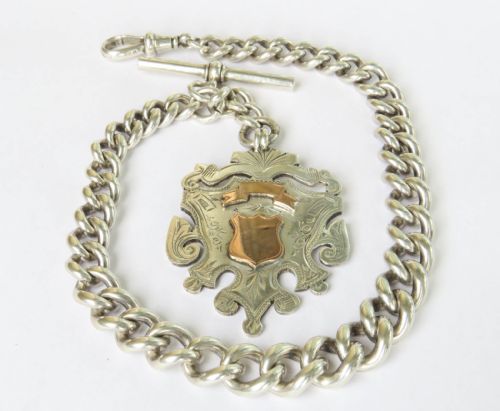
Buyers meet both wearable personal jewels and commemorative items such as masonic medals and quartz drops. Each piece uses scale and gold work to create a distinct focal point.
How they were made
Goldsmiths shape these large pendants from nine-carat, fourteen-carat, eighteen-carat, and twenty-two-carat yellow, white, and rose gold. Metalwork techniques involve filigree wire, hollow stampings, and cast settings designed to support heavy stones without excessive overall weight.
Makers set large gems - including aquamarine, amethyst, garnet, quartz, and diamond - using claw, bezel, or flush settings. Many pieces incorporate secondary materials like silver, glass, and foil backings to enhance light reflection within the gold framework.
Large Gold Pendant Retail Price Guide 2026
Typical asking prices for large gold pendant among the pieces listed under this phrase on Sellingantiques today, from the lower quarter to the upper quarter. They describe what is for sale here now, not the wider market.
Listings feature yellow gold, white gold, and rose gold across periods ranging from the nineteenth century to the nineteen-sixties.
What varies in quality
Quality rests in the precision of the gold work and the selection of the central gemstone. Finer examples display crisp casting, intricate hand-finished filigree, and stones with strong saturation and clarity.
Depth of relief work and structural integrity dictate the distinction between standard production and superior craftsmanship. Heavier gauge gold and secure, integrated loops indicate higher manufacturing standards.
C'est Laudier·Perroud
The Large Gold Pendant Glossary
- Pendant
- A hanging ornament suspended from a necklace, chain, or brooch. These pieces swing freely when worn.
- Fob
- A short chain or ornamental attachment traditionally hung from a pocket watch. Many now serve as standalone pendants.
- Filigree
- Ornamental work consisting of fine wire twisted into open patterns. Goldsmiths solder these delicate threads onto solid gold backings.
- Solitaire
- A piece of jewellery featuring a single mounted gemstone. This setting draws full attention to the central stone.
- Carat
- A unit of weight for gemstones and a measure of purity for gold. Higher numbers indicate a greater proportion of pure gold in the alloy.
Large Gold Pendant: Frequently Asked Questions
What periods do these pendants come from?
The listings span the Victorian era, the Edwardian period, and mid-century decades up to the nineteen-sixties.
Each era brings distinct aesthetic choices, from ornate revivalist lockets to cleaner mid-century gemstone settings.
What gold purities are used?
Pieces appear in nine-carat, fourteen-carat, eighteen-carat, and twenty-two-carat yellow, white, and rose gold.
Different purities offer varying shades of colour and physical durability for daily wear.
What gemstones appear in these pieces?
Common stones include aquamarine, amethyst, garnet, diamond, quartz, and ruby. Many feature large central solitaires supported by gold claws or bezels.
Faceted crystals and glass elements also appear in specific vintage designs.
How were charm pendants worn?
Charms and zodiac medallions hung from substantial chains, bracelets, or heavy spring ring connectors. They often served as personal markers or commemorative tokens.
Their substantial scale allowed them to be worn singly as focal points.