



Large Gold Brooch
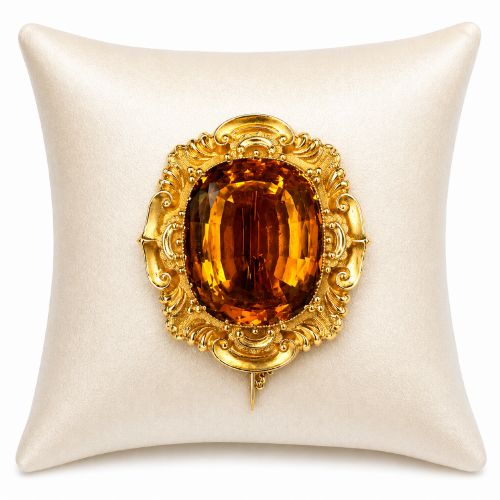
A large gold brooch commands attention on any lapel, offering substantial weight and striking gemstone presence from the Victorian and Edwardian eras.
Large Gold Brooch
A large gold brooch represents a significant statement piece from the nineteenth and twentieth centuries, incorporating substantial mountings in yellow gold, silver and mixed metals. These pieces frequently measure well beyond standard dress ornaments, designed to secure heavy fabrics or function as centrepiece decorations.
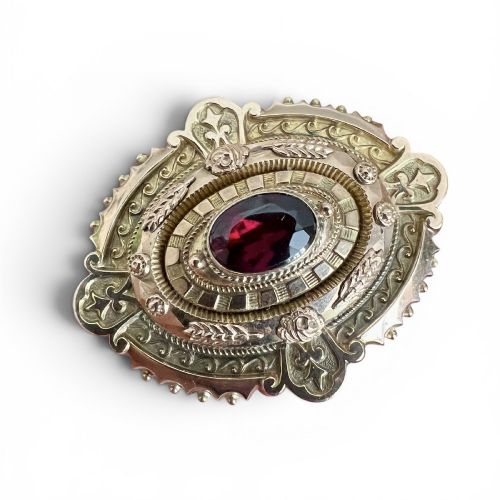
The most common examples encountered here originate from the Victorian period, often manifesting as Etruscan Revival lockets, clustered garnets or shell cameos set within intricate frames. Edwardian and mid-century variations also appear, bringing seed pearls, diamonds and large step-cut aquamarines into prominent display.
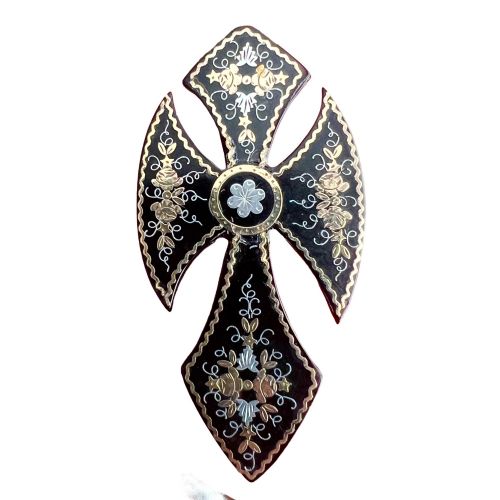
Makers utilised diverse forms ranging from floral pendants and horseshoe motifs to devotional crosses and carved shell portraits. Each configuration relies on generous proportions to showcase the central stones and intricate metalwork characteristic of the era.
How they were made
Artisans constructed these brooches using solid 9ct, 15ct and 18ct gold alongside silver settings designed to enhance the brilliance of mounted diamonds and paste stones. Metalwork techniques included granulation, wirework and high-relief casting to achieve the ornate textures seen in Etruscan Revival and Victorian designs.
Gemstones such as carbuncle garnets, amethyst, turquoise and seed pearls were meticulously hand-set into custom bezels or secured with claw settings. Shell cameos were carved from natural material and mounted within secure gold frames, while pique work combined tortoiseshell and precious metals into seamless surfaces.
Large Gold Brooch Retail Price Guide 2026
Typical asking prices for large gold brooch among the pieces listed under this phrase on Sellingantiques today, from the lower quarter to the upper quarter. They describe what is for sale here now, not the wider market.
Object forms include carved shell cameos, horseshoe pins, floral pendants, locket brooches and tabletop ornaments.
What varies in quality
Quality separates standard production pieces from exceptional works through the depth of hand-carving in cameos and the purity of gold alloys utilised in the frame. Superior examples demonstrate precise stone matching, particularly in diamond clusters and garnet groupings where colour and cut uniformity matter.
The complexity of the underlying metalwork dictates the upper tier of the range, with intricate wirework and multi-layered silver-on-gold construction demanding higher levels of craftsmanship. The inclusion of signed artist works, such as shell cameos by identified carvers, elevates a piece well above unsigned equivalents.
The Large Gold Brooch Glossary
- Carbuncle garnet
- A cabochon-cut red garnet with a smooth, rounded top that lacks facets, popular in mid-Victorian jewellery for its deep, glowing hue.
- Etruscan Revival
- A nineteenth-century design movement inspired by ancient archaeological discoveries, characterised by applied wirework and granulation on gold surfaces.
- Pique
- A technique involving the inlay of gold or silver pins into organic materials like tortoiseshell to create intricate geometric or floral patterns.
- Seed pearl
- Very small, natural pearls often drilled and strung or clustered tightly together to form floral or horseshoe shapes in Edwardian and Victorian pieces.
- Step cut
- A gemstone cutting style featuring concentric rows of rectangular facets, frequently utilised for large aquamarines and coloured stones to emphasise clarity.
Large Gold Brooch: Frequently Asked Questions
How do I wear a heavy brooch?
These substantial pieces require sturdy fabrics such as wool, tweed or heavy silk lapels to support their weight without sagging. Pinning them through a structured collar or fastening them with a backing anchor helps distribute the load evenly across the garment.
Many of these items also feature hidden loops or bails, allowing them to transform into pendants worn on a chain when not pinned to clothing.
What is an Etruscan Revival brooch?
This style draws direct inspiration from ancient Etruscan artefacts excavated during the nineteenth century, featuring characteristic yellow gold surfaces adorned with microscopic gold balls and delicate wire filigree.
Craftsmen recreated the ancient granulation technique by fusing tiny spheres of gold to the metal base without visible solder, creating rich textural contrast.
How do I date a Victorian brooch?
Dating relies on stylistic clues, pin mechanisms, and the type of gold hallmarks or gemstone cuts present in the mounting. Early Victorian pieces often display deep hand-chased motifs and closed-back settings, while later examples shift toward brighter stones and lighter frameworks.
The inclusion of specific motifs like natural seed pearl horseshoes or carbuncle garnets further narrows the decade of origin.
Can antique brooches be cleaned?
Gentle maintenance involves using a soft dry cloth to remove surface dust from gold and gemstones without disturbing fragile settings or foil backs. Liquid immersion should be avoided, particularly for shell cameos, pearls and pique work, which suffer permanent damage from moisture and harsh chemicals.
Professional jewellers can assess the security of old cut diamonds and garnet settings if deeper cleaning becomes necessary.