


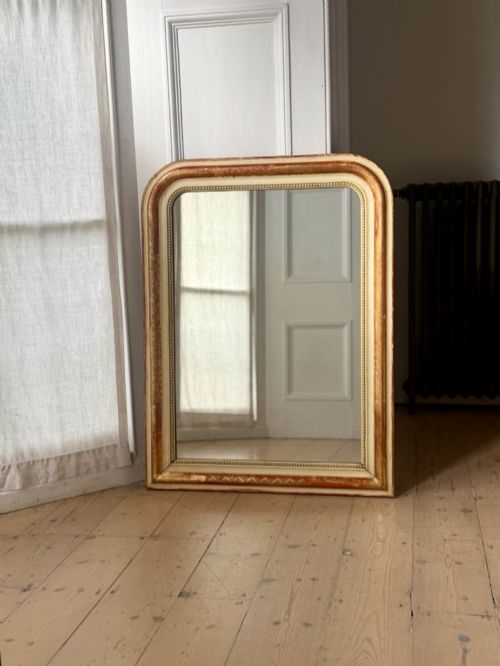
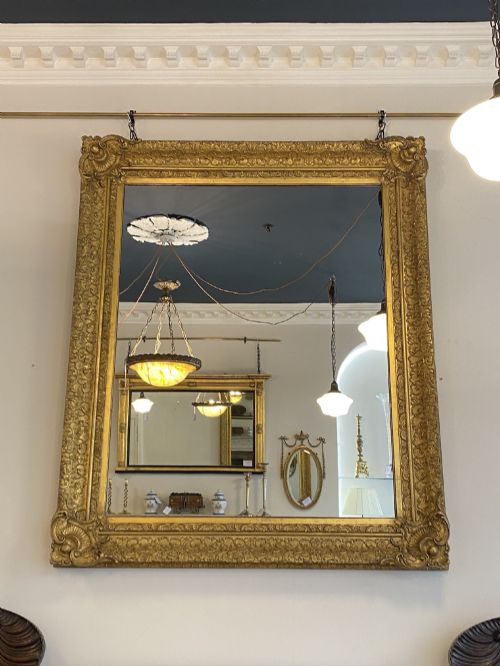
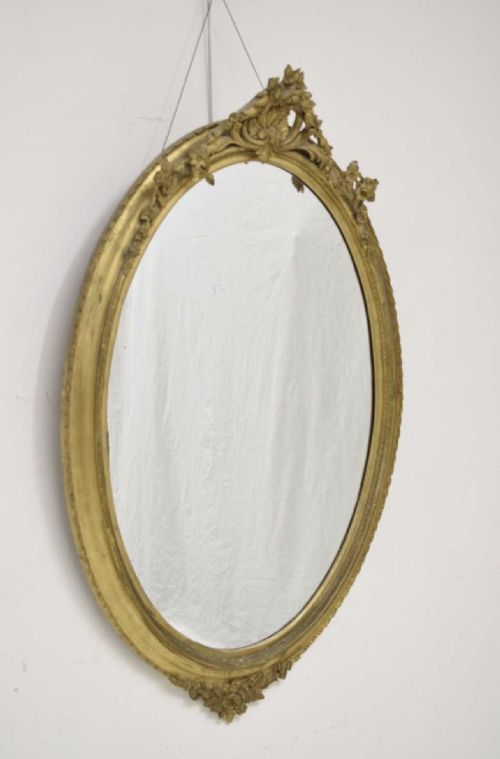
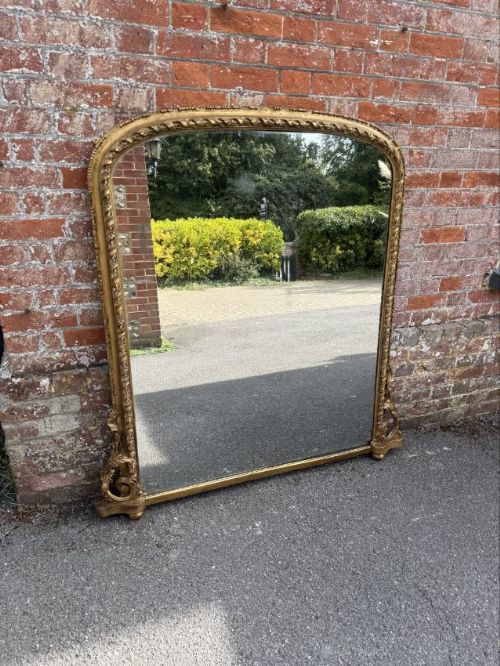
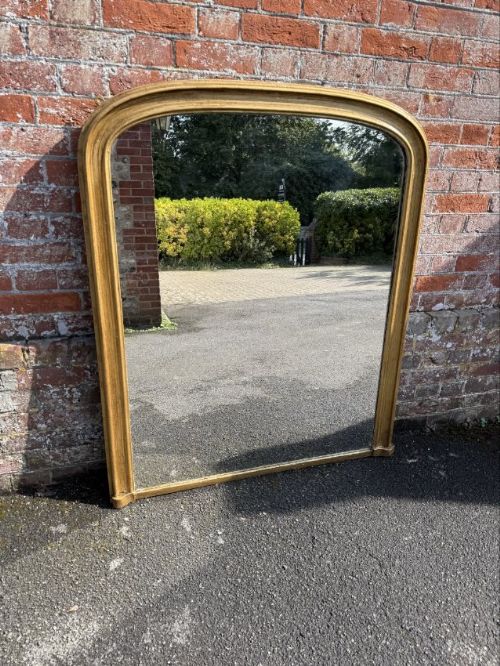
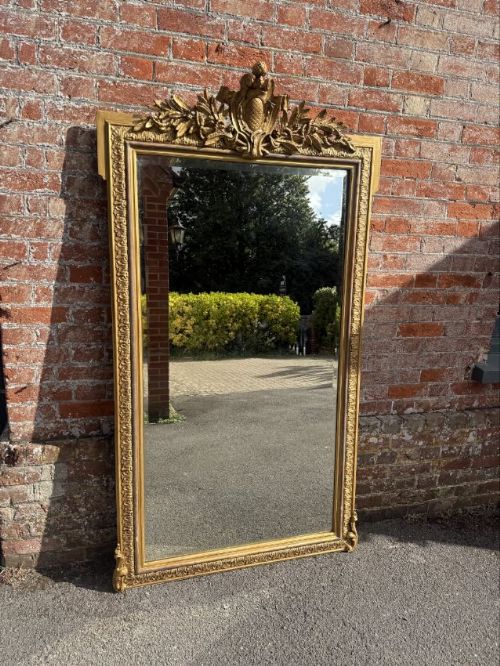
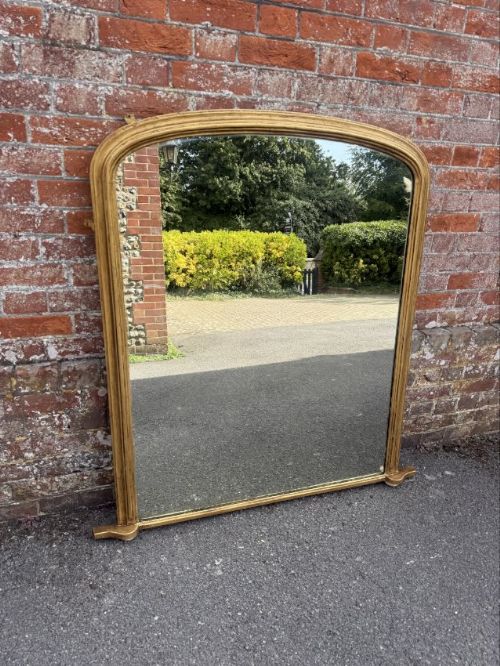
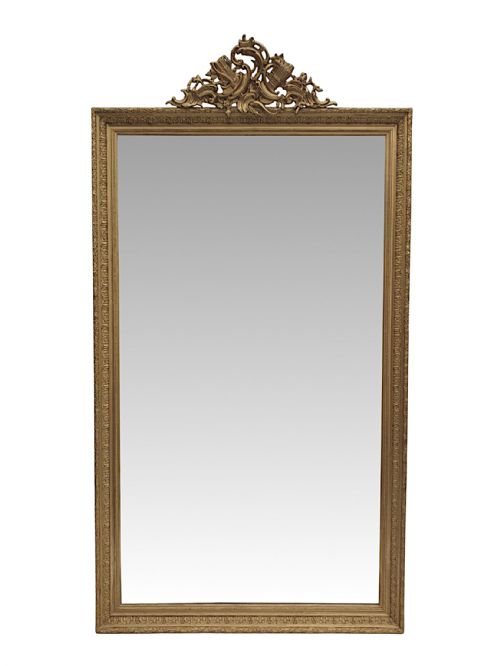
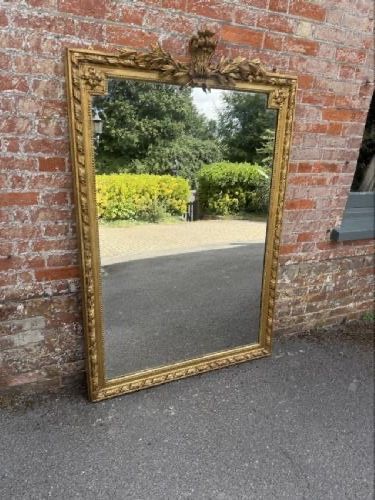
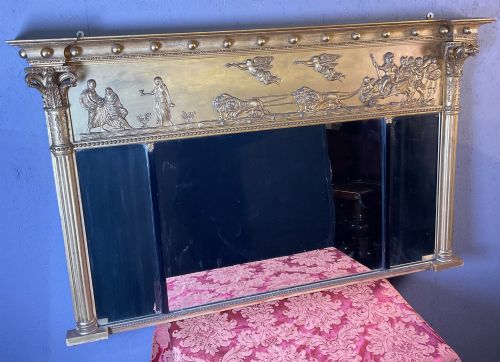
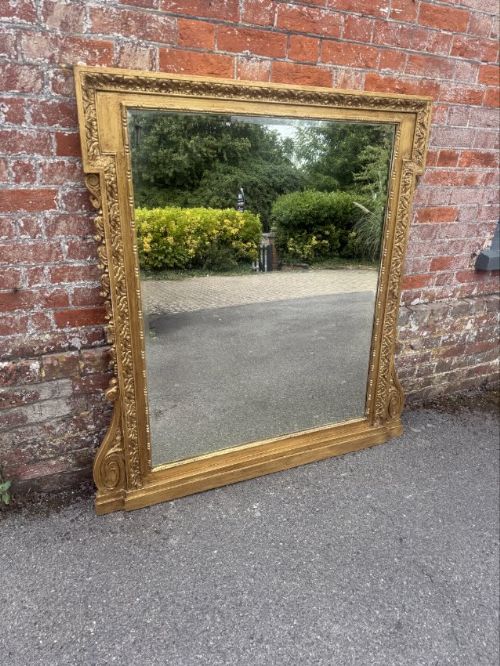
Large Gesso Frame
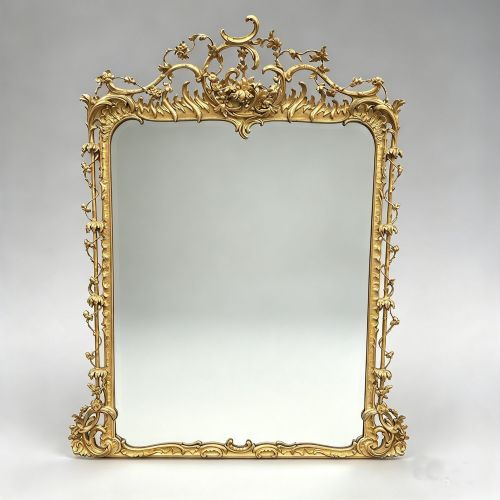
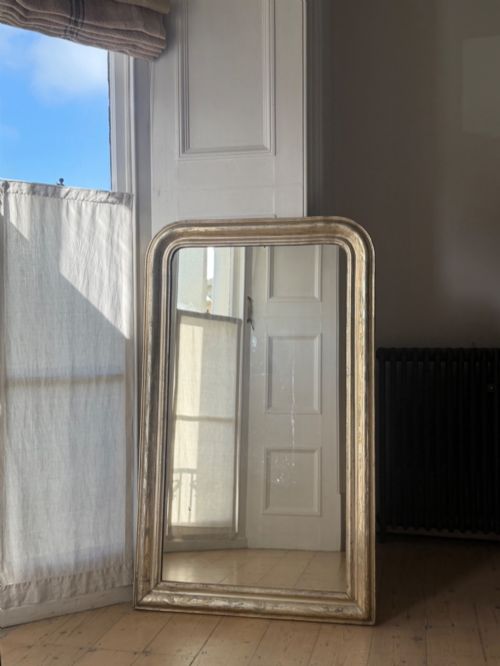
A large gesso frame anchors a room with sculptural presence, combining timber foundations and layered plasterwork beneath gold or silver leaf.
Large Gesso Frame
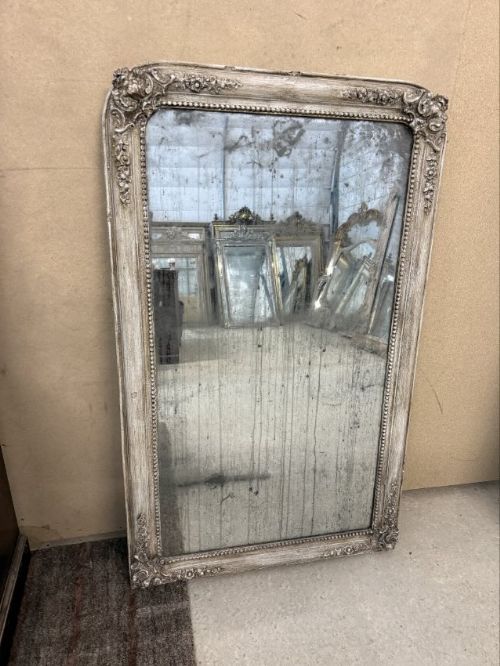
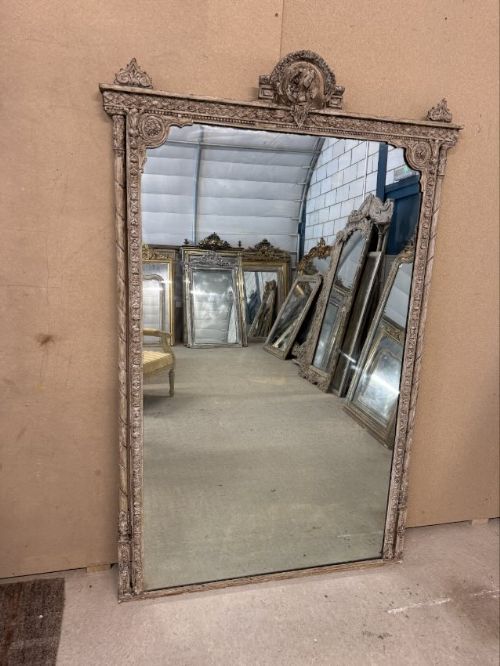
When searching for a large gesso frame, buyers encounter substantial nineteenth-century overmantle mirrors, wall mirrors, and picture frames originating from English and French workshops. These pieces frequently span the Victorian era, showcasing elaborate arched tops, rope twist details, and columnar framing.
The dominant forms on this page include nineteenth-century overmantle and pier mirrors designed to command significant wall space above mantelpieces or between windows. They combine functional glass with ornate plaster moulding over carved wooden structures.
How they were made
Maker workshops built the core structure from carved wood, providing a stable foundation for the applied ornament. Over this timber base, artisans laid successive coats of gesso, a dense mixture of plaster and binder that could be smoothed, incised, and built up into high-relief decoration.
Surface finish was achieved by applying gold leaf, silver leaf, or giltwood over the prepared gesso, sometimes accompanied by painted highlights or left as bare gesso. Certain mirrors incorporate mercury glass, reflecting the period manufacturing techniques.
Large Gesso Frame Retail Price Guide 2026
Typical asking prices for large gesso frame among the pieces listed under this phrase on Sellingantiques today, from the lower quarter to the upper quarter. They describe what is for sale here now, not the wider market.
What varies in quality
The crispness of the moulded relief work separates standard examples from exceptional ones, particularly where floral motifs, rope twists, and Rococo scrolls retain sharp definition rather than softening beneath multiple layers of overpainting. The depth and integrity of the underlying carved wood structure dictate the overall robustness of the piece.
The quality of the gilding and the preservation of the original gesso surface determine visual richness, with hand-laid leaf exhibiting a warmer lustre than flat metallic paints. Additionally, the presence of period mirror glass adds historical authenticity and depth to the reflection.
The Large Gesso Frame Glossary
- Gesso
- A dense plaster mixture applied over wood to form a smooth or moulded surface for gilding. This material allows for intricate relief ornamentation.
- Giltwood
- Timber that has been coated with gold leaf or metal leaf. It provides a reflective, durable finish characteristic of formal nineteenth-century mirrors.
- Overmantle Mirror
- A large mirror specifically proportioned to hang above a fireplace mantel. These pieces often feature arched or shaped tops.
- Mercury Glass
- A type of double-walled silvered glass produced during the nineteenth century. It creates a mottled, atmospheric reflection distinct from modern mirrors.
Large Gesso Frame: Frequently Asked Questions
How do I hang a heavy nineteenth-century gesso frame?
These substantial frames require robust wall fixings anchored directly into masonry or heavy studwork to support their considerable weight safely. Professional installation using mirror plates or a heavy-duty battens system is standard practice.
Ensure the hanging wire or brackets engage with the wooden carcass rather than relying solely on decorative plaster elements. Distributing the load evenly prevents structural strain on the corners.
What is the difference between an overmantle mirror and a pier mirror?
Overmantle mirrors are specifically designed to be positioned horizontally above a fireplace, frequently incorporating arched or shaped tops to fit architectural chimney breasts. They dominate the visual space of a reception room.
Pier mirrors are proportioned for the narrow wall space between two windows, known as the pier. They tend to be more vertical in orientation while sharing the same carved wood and gesso construction.
How should I clean a historic giltwood and gesso surface?
Maintenance requires only gentle dusting with a soft, dry ostrich feather brush to remove particulate matter without disturbing fragile plasterwork. Moisture and commercial cleaning chemicals must be avoided entirely.
Water or solvents can dissolve the traditional binders used in gesso and lift delicate gold leaf. For stubborn grime, consult a professional conservator rather than attempting wet cleaning.
How can I distinguish Victorian pieces from later reproductions?
Period nineteenth-century examples display hand-carved timber foundations beneath the gesso and natural shrinkage cracks in the plaster layers over time. The weight and density of the wood reflect nineteenth-century carpentry standards.
Inspect the backboards, fixings, and glass type for signs of age. Modern reproductions often use synthetic resins or machine-extruded mouldings that lack the depth and irregularity of genuine antique work.