






Large French Tapestry
A large french tapestry brings centuries of woven artistry into a room, offering grand scale and rich historical narrative for serious interiors.
Large French Tapestry
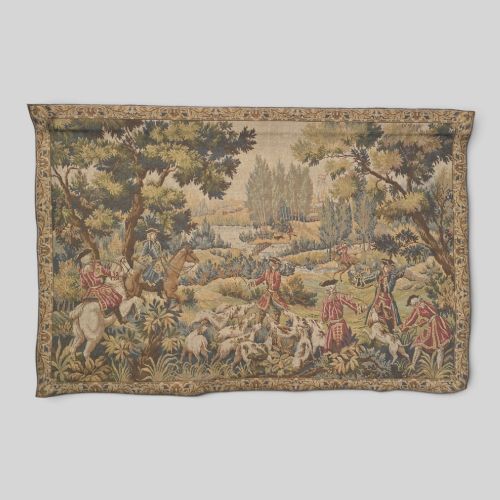
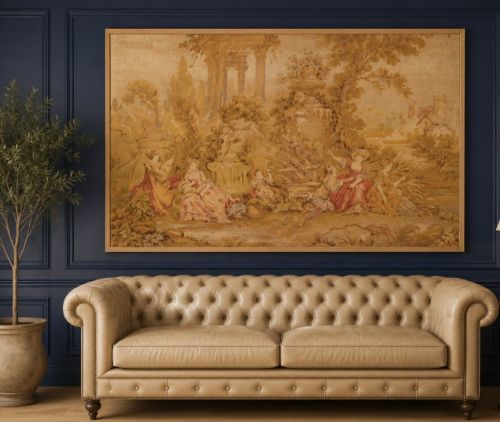
A large french tapestry encompasses substantial woven wall hangings and textile panels originating from France across the sixteenth, seventeenth, eighteenth, and nineteenth centuries. These pieces frequently depict pastoral scenes, verdure landscapes, floral motifs, and classical narratives executed in grand proportions.
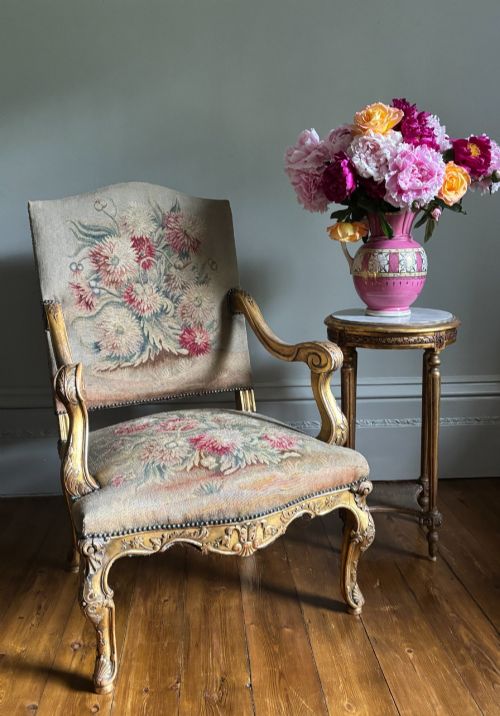
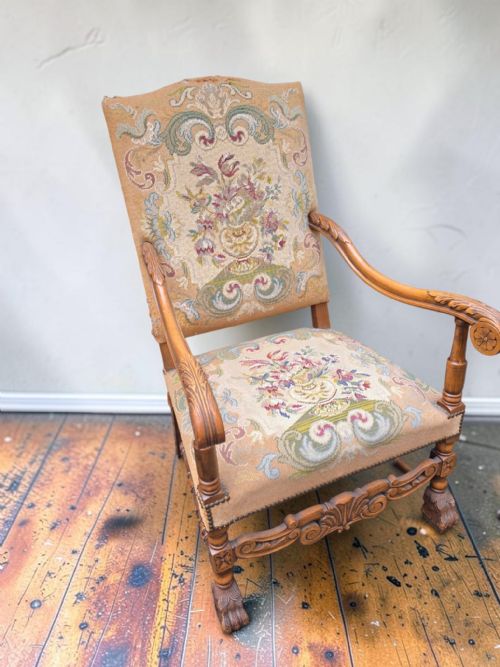
Buyers seeking this search phrase encounter both authentic antique wall tapestries and later nineteenth-century revival interpretations, along with related textile-covered seating like walnut armchairs and salon settees. The selection spans distinct aesthetic movements including French Baroque, Rococo, Regence style, and medieval mille-fleurs designs.
Wall tapestries dominate the selection, functioning as dramatic architectural textile art designed to anchor a major wall. Smaller numbers of carpets and upholstered antique seating provide alternative ways to incorporate these historic woven surfaces into a home.
How they were made
Traditional creation relied on skilled weaving techniques utilising natural fibres such as wool, cotton, and silk. Artisans built up complex pictorial surfaces thread by thread on looms, capturing subtle tonal shifts in verdure landscapes and pastoral figures.
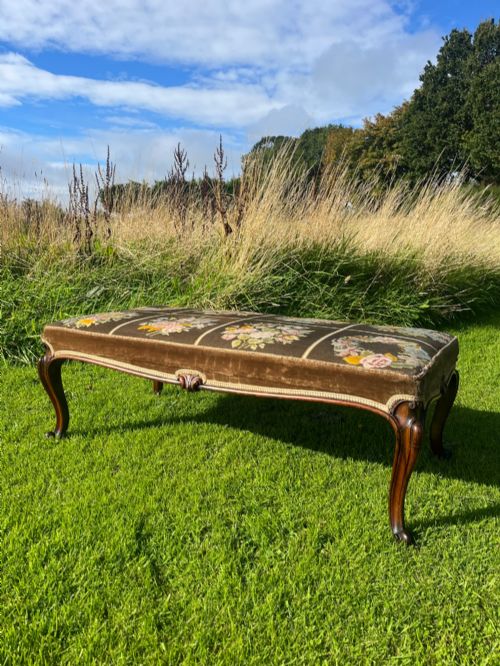
Many textile panels integrate supplementary structural elements like wooden or walnut frames, brass details, and rosewood or giltwood mounts on associated seating. The interplay of woven textile and carved timber defined the production of large salon furnishings throughout the nineteenth century.
Large French Tapestry Retail Price Guide 2026
Typical asking prices for large french tapestry among the pieces listed under this phrase on Sellingantiques today, from the lower quarter to the upper quarter. They describe what is for sale here now, not the wider market.
The selection includes wall hangings, framed panels, area rugs, armchairs, and footstools executed in French Rococo, Baroque, and Victorian styles.
What varies in quality
Quality rests upon the fineness of the weave, the complexity of the pictorial design, and the fidelity of the historic style. Finer examples display intricate rendering of foliage, figures, and architectural details through skilled manipulation of wool and silk threads.
The integrity of the textile surface and the preservation of the original palette separate superior examples from standard decorative pieces. Original framing and mounting also influence the overall character of surviving panels and furniture.
The Large French Tapestry Glossary
- Aubusson
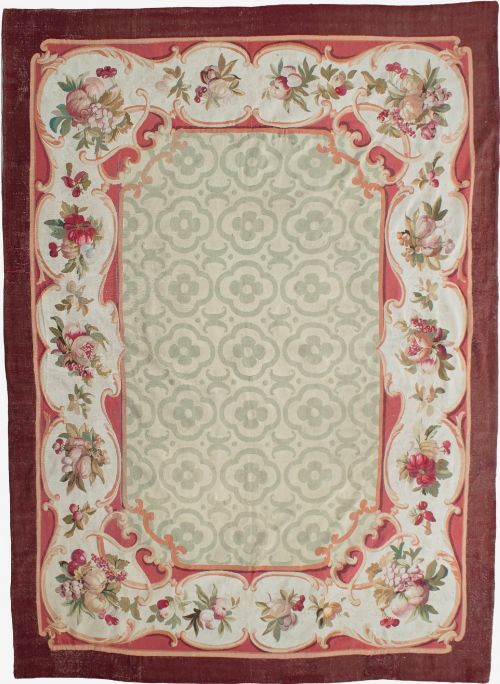
- A traditional type of French carpet or tapestry originating from the town of Aubusson, known for floral and pastoral imagery. These woven works reflect classical French interior aesthetics.
- Verdure
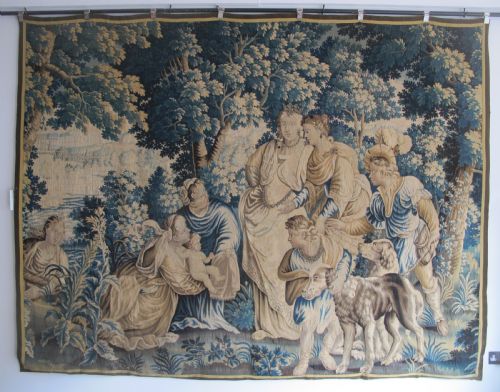
- A tapestry design dominated by lush foliage, trees, and landscape elements, often featuring distant chateaux or animals. This style was particularly popular in seventeenth-century workshops.
- Mille-fleurs
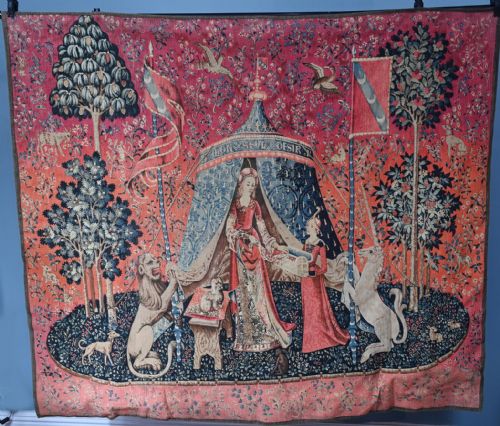
- A medieval tapestry style characterised by a background filled with small, detailed flowers and plants. The phrase translates literally to thousand flowers.
- Regence Style
- An aesthetic bridging French Baroque and Rococo, marked by lighter, curved lines and naturalistic ornamentation. Pieces in this style appeared during the eighteenth century and subsequent nineteenth-century revivals.
- Armchair
- A seated furniture form with side supports, frequently upholstered in antique tapestry or needlework. Walnut and giltwood frames often accompany these textile-covered pieces.
Large French Tapestry: Frequently Asked Questions
How do I hang a large tapestry?
Hanging a large woven wall panel requires distributing the weight evenly across a sturdy wooden batten or hidden metal rod. Clips or a sewn-in sleeve along the top edge secure the textile without stressing the historic fibres.
Position the piece away from direct sunlight to protect the natural wool and silk dyes from fading over time. Ensure the wall surface permits adequate air circulation behind the textile.
What is a verdure tapestry?
A verdure tapestry depicts a dense landscape of trees, leaves, plants, and sometimes birds or architectural ruins. These scenes create a deep, immersive woodland atmosphere within a room.
Originating centuries ago, they were designed to bring the outside greenery into grand interior salons and chambers. The palette typically relies on rich greens, browns, and muted earth tones.
How do I clean an antique textile?
Cleaning antique textiles requires professional conservation methods rather than standard domestic washing. Gentle surface dusting with a soft brush or low-suction vacuum through mesh is appropriate for maintenance.
Avoid chemical spot cleaning or submerging woven wall art in water. Specialist textile conservators should handle any significant restoration or deep cleaning needs.
Are nineteenth-century revivals authentic?
Nineteenth-century revival pieces are authentic antiques in their own right, reflecting the era's fascination with earlier aesthetic periods. Makers during the eighteen-hundreds deliberately recreated seventeenth and eighteenth-century styles for Victorian and chateau interiors.
These pieces hold distinct historic value and craftsmanship quality independent of earlier eras. Documentation or style markers help identify the specific period of manufacture.