

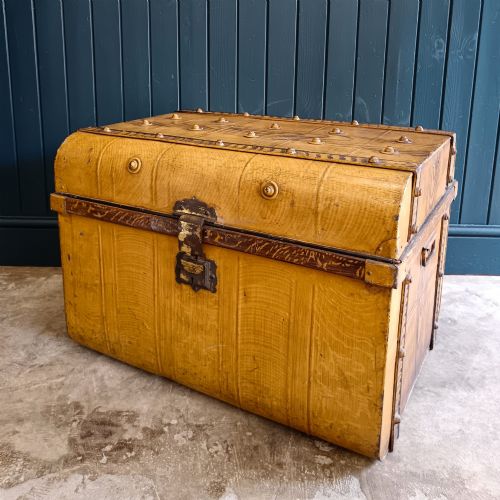


Large Edwardian Storage Chest
A large edwardian storage chest provides robust utility and period character, offering generous interior volume for modern homes.
Large Edwardian Storage Chest
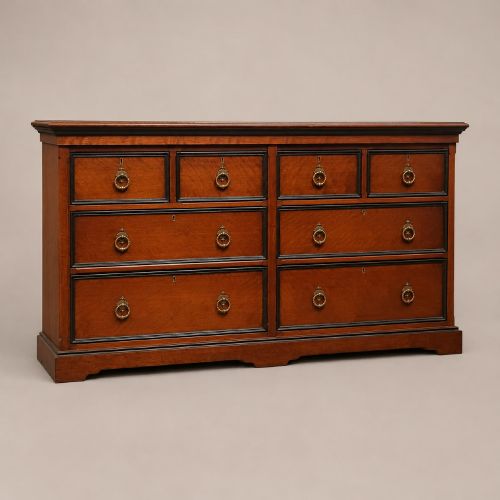
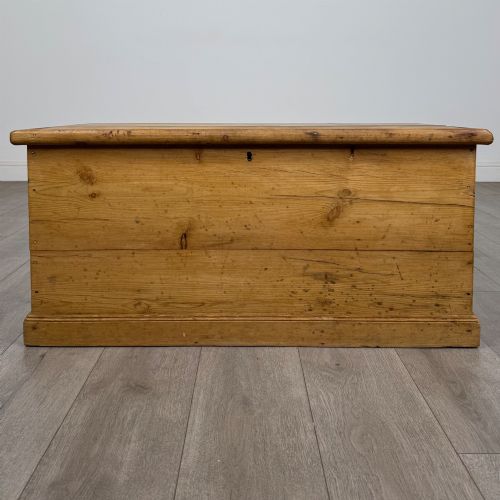
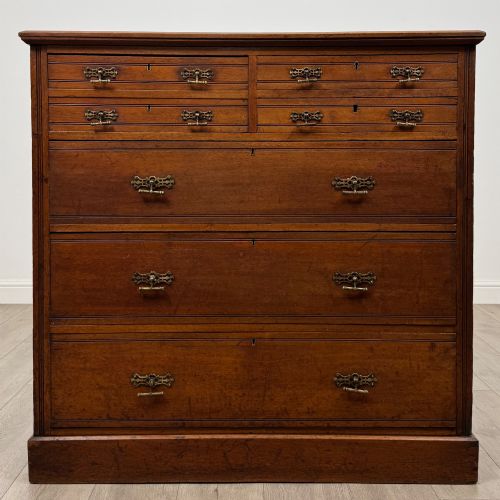
A large edwardian storage chest encompasses substantial wooden trunks, blanket boxes and deep drawer units designed for utility and household storage. These pieces bridge the gap between functional household containers and decorative domestic furniture.
The selections encountered here span Edwardian examples alongside related Victorian and nineteenth-century forms in materials like mahogany, oak, pine and walnut. Buyers meet tall drawer configurations, plan chests and robust iron-bound trunks.
The emphasis remains on solid proportions and utilitarian capacity, reflecting the period need for heavy-duty household organisation. Every piece brings period presence to contemporary rooms without sacrificing practical storage space.
How they were made
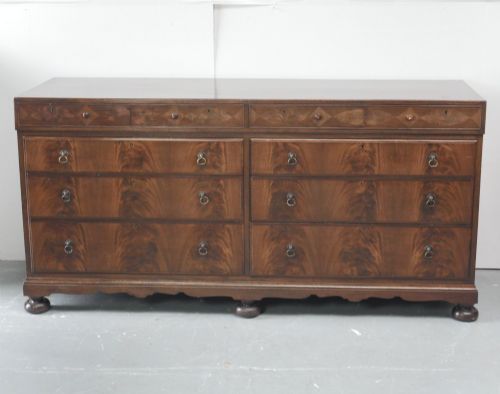
Constructed primarily from sturdy timbers including oak, mahogany, walnut and pine, these chests utilise durable joinery suited to heavy daily use. Pitch pine and flame mahogany appear frequently, adding distinct grain patterns to the outer surfaces.
Large Edwardian Storage Chest Retail Price Guide 2026
Typical asking prices for large edwardian storage chest among the pieces listed under this phrase on Sellingantiques today, from the lower quarter to the upper quarter. They describe what is for sale here now, not the wider market.
The furniture styles represented across current inventory include Victorian, Edwardian, Regency, Georgian Revival, Chippendale and Industrial.
What varies in quality
Quality separates standard utilitarian containers from pieces finished with fine timber veneers and detailed cabinetwork. The choice of primary wood, such as figured flame mahogany or walnut against standard pine, dictates the visual refinement.
The robustness of internal drawer construction, original brass or iron hardware and structural integrity define the upper tier of surviving examples. Makers known for retail supply or bespoke workshop production add distinction to the piece.
Dovestone, Bird and Hull·Whytock and Reid·Jas Shoolbred
The Large Edwardian Storage Chest Glossary
- Wellington chest
- A tall, narrow chest of drawers secured by a hinged locking side pilaster bar. This design originated in the nineteenth century to secure important papers.
- Campaign chest
- Portable furniture built in sections with recessed brass handles and corner brackets, designed for military travel. These pieces dismantle easily for transport.
- Pitch pine
- A dense, resinous softwood with prominent grain patterns frequently used in late nineteenth and early Edwardian utility furniture. It provides exceptional structural strength.
- Flame mahogany
- Timber cut from the fork of the mahogany tree to produce a dramatic, flickering flame-like grain pattern. Cabinetmakers reserved this veneer for primary visible surfaces.
- Silver chest
- A heavy timber trunk, often oak and iron-bound, lined to protect valuable tableware from tarnish and impact during transit.
Large Edwardian Storage Chest: Frequently Asked Questions
What were large storage chests used for originally?
These large chests stored household textiles, clothing, silver or documents safely within domestic interiors and during travel.
Heavier trunks with iron bindings protected valuables against moisture and rough handling in transit.
How do I clean an antique wood chest?
Dust the surfaces regularly with a soft, dry cloth to prevent dirt accumulation on the timber grain.
Apply a traditional beeswax polish occasionally to nourish the wood and maintain its natural finish.
Where should I place a large chest at home?
Bedrooms and hallways suit large drawer chests and blanket boxes, offering accessible everyday storage.
Living rooms accommodate lower chests or ottomans as practical focal points that double as surface space.
How do I identify an Edwardian piece?
Edwardian furniture typically dates from the early twentieth century, showing lighter proportions and cleaner lines than heavy Victorian pieces.
Construction details and secondary wood choices often align with the manufacturing standards of that specific era.