




Large Door Knocker
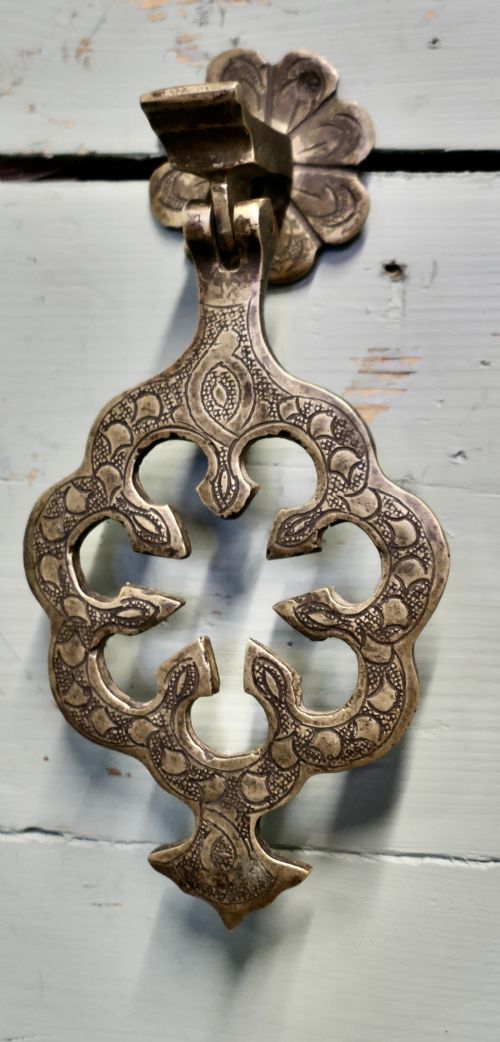
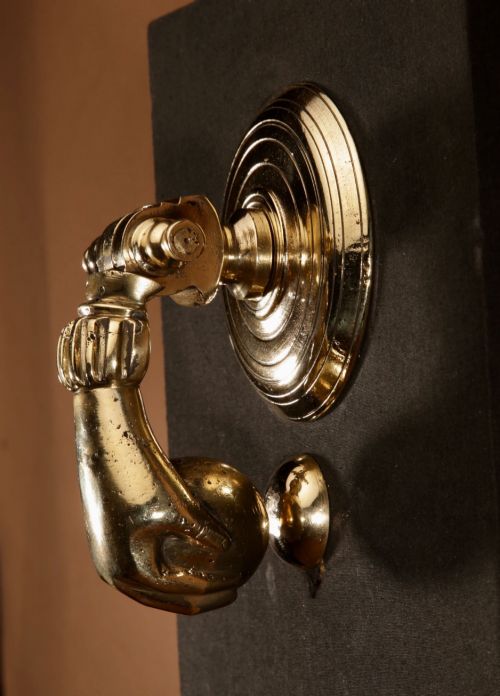
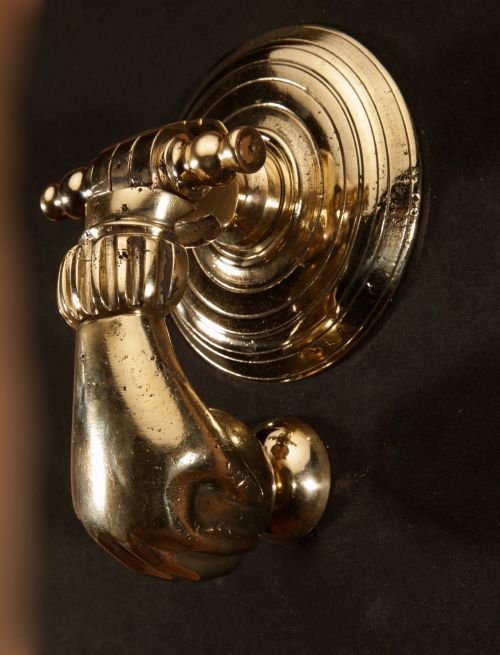
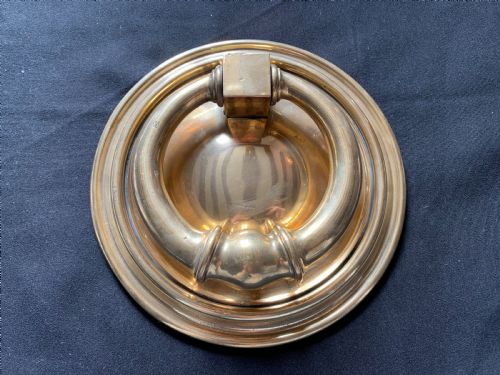
A large door knocker makes an immediate statement on a heavy timber entrance, combining structural weight with sculptural presence.
Large Door Knocker
When you search for a large door knocker, you encounter heavy hardware designed for principal entrances across multiple centuries. These architectural pieces span Victorian, Georgian, Regency, and seventeenth-century periods, taking forms from classical lion masks and laurel wreaths to human hands and dolphins.
The version you most frequently meet on this page is the nineteenth-century brass or bronze casting, often featuring ring patterns or complete sets with integrated letterboxes. Examples range from classical revival styles to regional motifs like the Maltese dolphin, alongside occasional iron and wrought iron variants.
Beyond standard door hardware, the inventory occasionally includes domestic or decorative metalwork such as Georgian doctors' knockers and even Victorian hollow hoop earrings utilising similar chased metal techniques.
Materials and casting methods
The majority of pieces rely on brass and bronze, cast into robust sculptural shapes and finished with varying degrees of patination. Iron and wrought iron appear in earlier seventeenth-century hardware, offering darker, heavier utility.
Techniques combine sand casting or lost-wax casting for figural elements like hands and lion heads with hand-piercing and chasing for surface detail. Verdigris patination often develops naturally on exposed copper-alloy surfaces over generations.
Listings feature brass, bronze, iron, and gold materials spanning the seventeenth, eighteenth, nineteenth, and twentieth centuries.
Assessing quality in metalwork
Weight and structural integrity distinguish superior pieces, particularly in monumental forms where substantial brass or bronze prevents flexing during daily use. The articulation of moving parts and the preservation of original mounting plates further separate utilitarian hardware from fine decorative examples.
The Large Door Knocker Glossary
- Doctors knocker
- A specific brass or bronze door knocker style historically associated with medical practitioners, featuring a striking plate positioned lower on the door. It became popular during the Georgian and Victorian eras.
- Lion mask
- A decorative casting shaped like a lion face, frequently utilised as the fixed backplate from which a heavy striking ring is suspended. This motif dominated Regency and Victorian classical designs.
- Verdigris patination
- A green crust or patina formed naturally on copper, brass, or bronze through atmospheric oxidation over long periods. Collectors often value this aged surface for its visual depth.
- Lost-wax casting
- An ancient metalworking method where a molten alloy is poured into a mould created by replacing a wax model with a refractory material. This technique allows for high sculptural detail in figural knockers.
- Pierced brass
- Metalwork decorated by cutting or piercing openwork patterns directly through the sheet or casting. It appears on lighter nineteenth-century architectural panels.
Large Door Knocker: Frequently Asked Questions
How do I clean antique brass?
Wash the metal gently with warm soapy water and a soft brush to remove surface grime without disturbing the historic finish. Avoid harsh chemical polishes that strip away desirable patination.
Allow the piece to dry thoroughly before mounting it back onto exterior timber.
Are these knockers suitable for outdoor use?
Most bronze and brass pieces withstand outdoor conditions well due to the natural corrosion resistance of copper alloys. Regular mounting checks ensure the fixings remain secure against daily vibration.
Sheltered exterior positions help preserve original patination and prevent excessive weathering.
How do I date a brass knocker?
Examine the casting method, fastener types, and stylistic motifs to establish the period of manufacture. Georgian and Regency pieces often show hand-finishing marks and specific classical revival proportions.
Later Victorian examples tend to feature heavier standardised mountings and machine-threaded screws.
What is a doctors knocker?
A doctors knocker is a specialised architectural hardware design where the vertical knocker lifts from a pivot point above a dedicated striking plate. Medical professionals used this configuration to identify their practice entrances.
They appear primarily in Georgian and Victorian brass formats across domestic settings.
Can I mount them on modern doors?
Heavy antique hardware requires secure through-bolt fixings to support the considerable weight of solid bronze or brass castings. Matching the bolt spacing to existing door preparations prevents unnecessary new drilling.
Ensure the backplate sits flush against the timber to distribute the impact force evenly.