

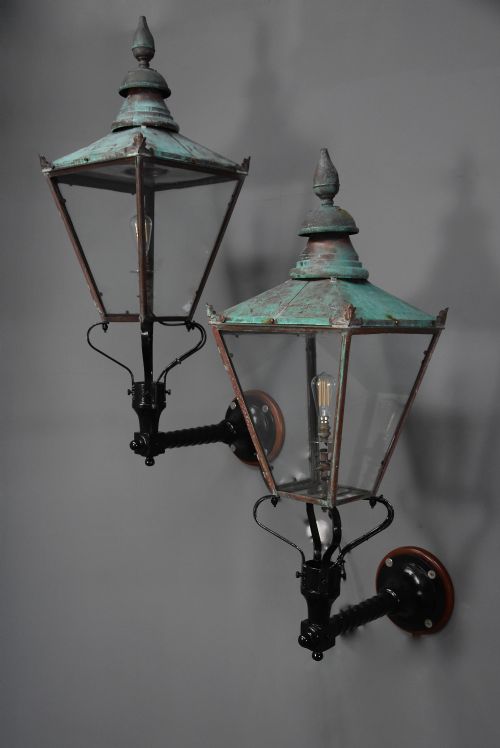


Large Copper Light
A large copper light brings genuine scale and warmth into a room, combining substantial metalwork with functional illumination.
Large Copper Light
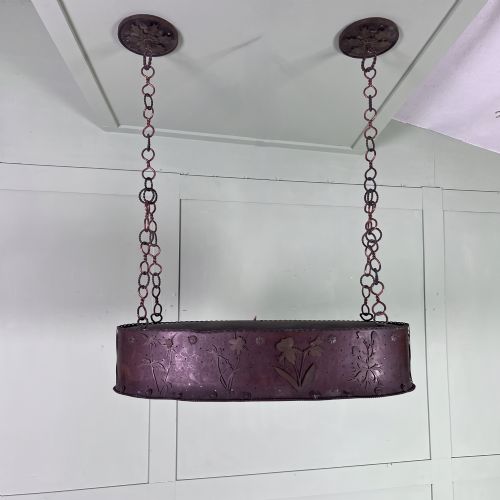
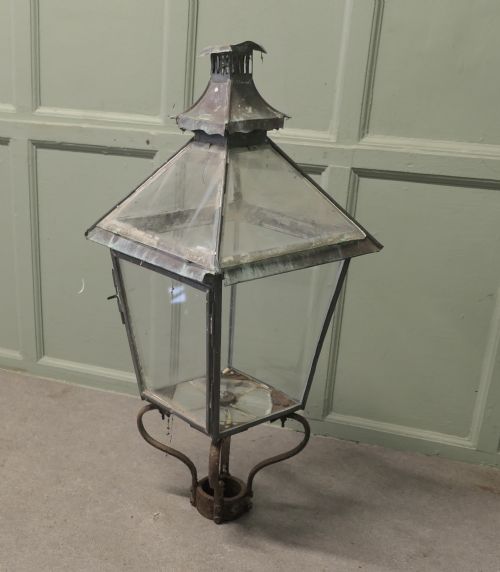
A large copper light spans several distinct forms, most commonly appearing as hanging pendants, ceiling lights, and exterior or street lanterns. These items draw on styles ranging from Victorian and Edwardian periods through to Arts and Crafts, Art Deco, and Amsterdam School aesthetics.
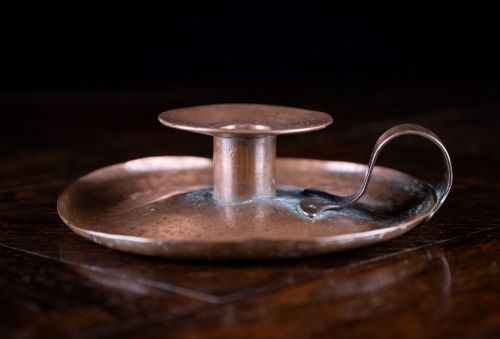
Buyers frequently encounter robust outdoor lamps and interior church lights alongside domestic porch lanterns and chambersticks. The pieces utilise a mix of heavy metal construction, often paired with glass panels or opal glass elements.
Origins stretch from the late nineteenth century into the mid-twentieth century, capturing industrial designs alongside domestic decorative objects. This variety ensures that each large copper light serves as a commanding focal point within its designated setting.
Materials and construction methods
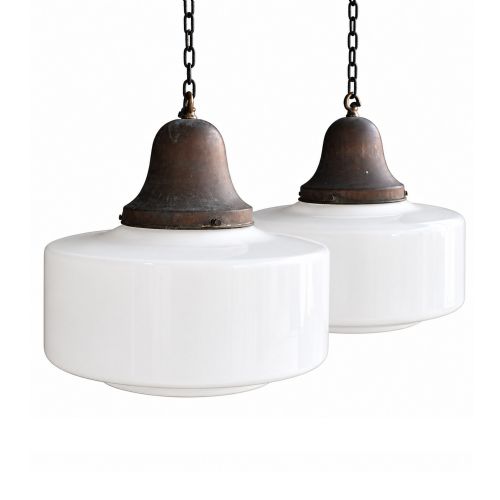
These fixtures rely heavily on copper as the primary sheet or structural metal, frequently complemented by brass, iron, and cast iron components. Glass and opal glass are integrated into lanterns and hanging lights to diffuse illumination effectively.
Manufacturing techniques combine hand-beaten metalwork seen in Arts and Crafts pieces with robust framing found in industrial street lamps and church lights. Skilled assembly joins metal plates with rivets and screws, while specific examples incorporate wood or silver detailing.
Large Copper Light Retail Price Guide 2026
Typical asking prices for large copper light among the pieces listed under this phrase on Sellingantiques today, from the lower quarter to the upper quarter. They describe what is for sale here now, not the wider market.
Listings feature copper lights spanning from the Victorian era through the Edwardian period and into the 1940s, incorporating brass and cast iron.
Distinguishing quality factors
Quality in a large copper light is evident in the thickness of the metal gauge and the precision of the assembly. Superior examples display careful hand-forming, substantial fixings, and well-proportioned decorative brackets or mountings.
The integration of original glass, whether clear or opal, alongside intact maker signatures or distinctive school characteristics, elevates the standing of a piece. Lesser examples often feature simpler commercial fabrication with standard mass-produced components.
Birmingham Guild of Handicraft·Foster and Pullen Bradford
The Large Copper Light Glossary
- Pricket candlestick
- A candle holder featuring a sharp metal spike upon which the candle is mounted, rather than a socket. This form appears frequently in ecclesiastical and Arts and Crafts metalwork.
- Chamberstick
- A short candlestick fitted with a wide saucer base and a loop handle for carrying from room to room. Larger variants offer substantial decorative presence.
- Amsterdam School
- An architectural and design movement from the early twentieth century characterised by expressive brickwork, organic forms, and rich metal detailing. Pieces from this tradition often utilise heavy copper construction.
- Opal glass
- A milky, semi-translucent white glass used in light fittings to soften glare and diffuse illumination evenly. It is commonly found in twentieth-century ceiling and hanging lights.
Large Copper Light: Frequently Asked Questions
Where should I hang a large copper light?
These sizeable fixtures suit high ceilings in hallways, kitchens, or living spaces where their physical scale commands attention. Exterior variants mount securely beside porches or entranceways.
Ensure the hanging height or bracket support matches the weight and projection of the specific lantern or pendant.
How do I clean a copper light?
Dust the metal gently with a soft, dry cloth to preserve the natural patina built up over decades. Avoid harsh chemical polishes that strip away the historic surface character.
Glass panels benefit from careful removal or gentle wiping with standard glass cleaner while avoiding contact with aged metal frames.
How can I tell an Arts and Crafts light apart from Art Deco?
Arts and Crafts pieces emphasise hand-beaten textures, visible construction rivets, and organic or medieval-inspired motifs. They lean towards traditional craftsmanship and solid, weighty proportions.
Art Deco designs favour geometric symmetry, stylised linear patterns, and industrial streamlining typical of the interwar period.