

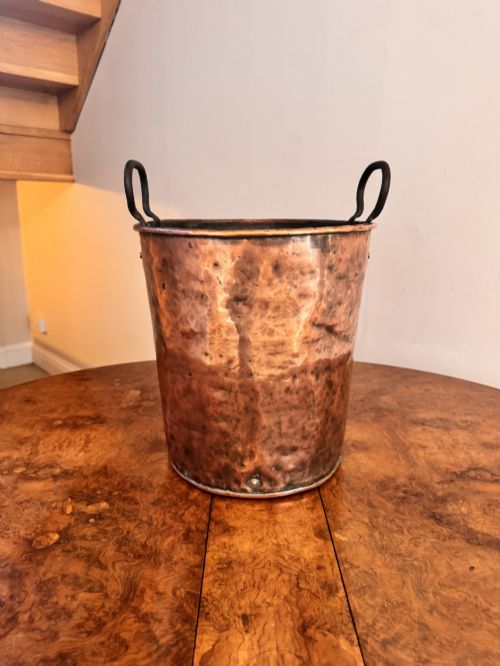
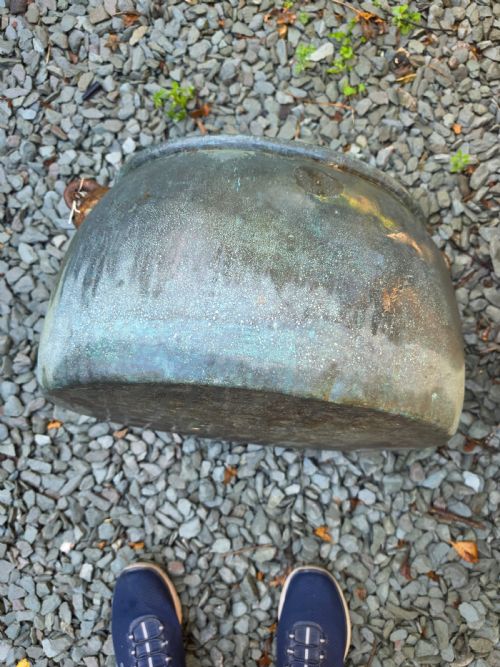
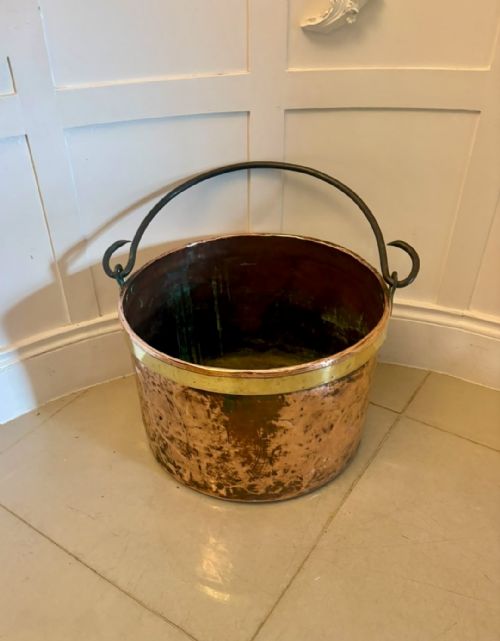
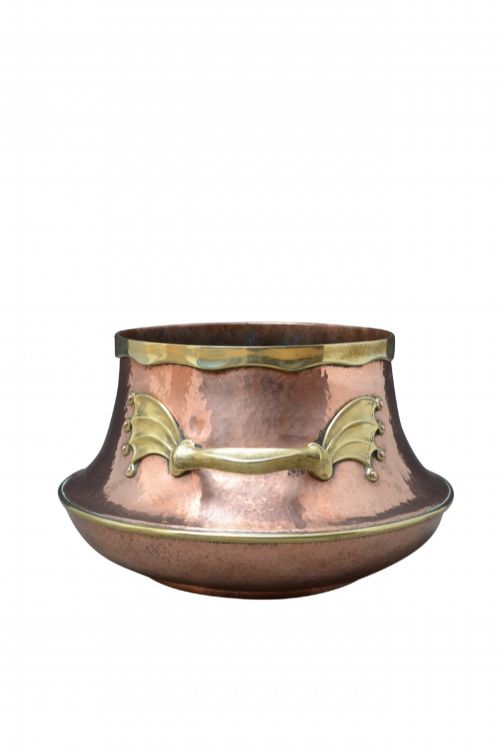




Large Coal Bucket
A large coal bucket brings heavy metalwork beside the hearth, offering a practical way to store fuel while anchoring the room with period character.
Large Coal Bucket
A large coal bucket serves the hearth as a robust vessel for fuel, taking forms such as cauldrons, log bins, and pails. These items often double as planters and jardinieres when their fireside days conclude.
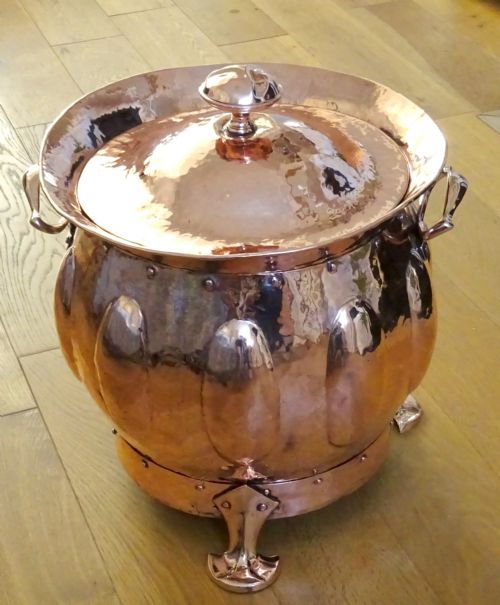
Most examples found here date from the nineteenth century into the early twentieth century, spanning Victorian, Georgian, and Arts and Crafts styles. Copper and brass predominate, frequently paired with iron handles or frames.
The utility of a large coal bucket extends from formal Georgian interiors to rustic country settings. Buyers encounter deep vessels shaped for heavy daily use beside the fireplace.
How they were made
Metalworking dominates these pieces, utilising beaten copper and heavy brass sheets shaped into deep bodies. Rivets secure seams and handles, showing the structural demands placed on fireside containers.
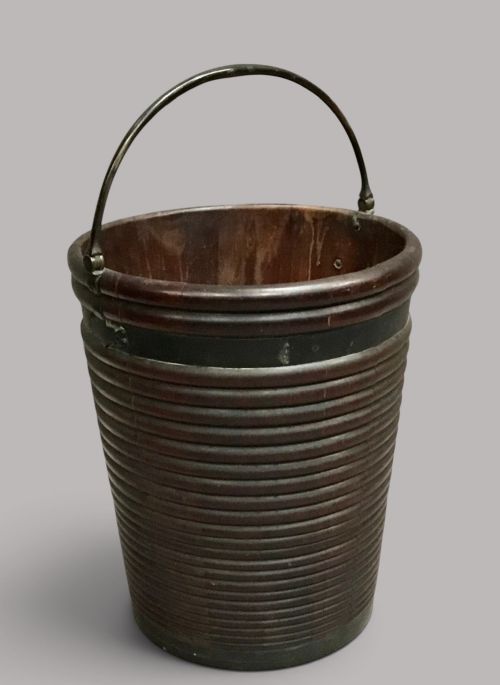
Wrought iron appears in handles, stands, and frames, offering rigid support for heavy loads of fuel. Timber construction emerges in select forms like ribbed mahogany, demonstrating cabinetmaker techniques applied to peat and coal storage.
Large Coal Bucket Retail Price Guide 2026
Typical asking prices for large coal bucket among the pieces listed under this phrase on Sellingantiques today, from the lower quarter to the upper quarter. They describe what is for sale here now, not the wider market.
Listings span the nineteenth and early twentieth centuries, featuring copper, brass, iron, and mahogany across Georgian, Victorian, and Arts and Crafts styles.
What varies in quality
The calibre of a large coal bucket rests on the weight of the metal and the hand skill evident in its assembly. Heavy gauge copper with clean hammer work separates superior vessels from lighter, purely utilitarian pieces.
Original mounts and handles elevate a piece, especially when wrought iron work or brass drop rings remain intact. Surface treatment and the integrity of riveted joints define the enduring standard of the construction.
The Large Coal Bucket Glossary
- Dinanderie
- A term for various objects made of brass, copper, or bronze, often associated with decorative vessels and bins.
- Cauldron
- A round, deep metal pot with a large rim, frequently utilised for holding fuel by the hearth.
- Jardiniere
- An ornamental pot or stand for holding plants, a secondary use often adopted by large metal buckets.
- Perdonium
- A specific type of coal scuttle or bucket designed for domestic fireside use.
- Log bin
- A deep container intended for storing firewood beside a fireplace or stove.
Large Coal Bucket: Frequently Asked Questions
What metals are most common?
Copper and brass form the majority of these fireside vessels, often combined with iron handles or frames for structural strength.
Tin and mahogany appear in specific regional or period examples, expanding the range of materials used for fuel storage.
How were they used originally?
These buckets stood beside the fireplace to hold coal, logs, or peat for feeding the hearth.
Their robust construction allowed servants to haul heavy fuel loads from cellars directly to living spaces.
Can I use one for plants?
Many of these vessels find a second life as indoor planters and jardinieres once their fireside days end.
Their deep metal bodies accommodate large houseplants and decorative greenery with ease.
How do I identify the period?
Stylistic clues such as Georgian proportions or Arts and Crafts hand-hammered surfaces help date the metalwork.
Construction details like hand-cut rivets and wrought iron mounts point toward nineteenth-century manufacturing methods.