






Large Church Sculpture
Large church sculpture brings centuries of devotion into a room, offering commanding figures of wood, plaster, and gold leaf that once shaped sacred spaces.
Large Church Sculpture
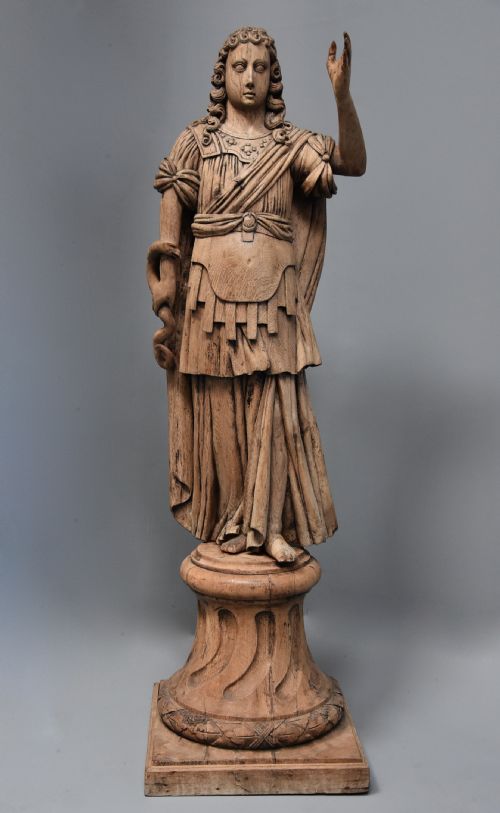
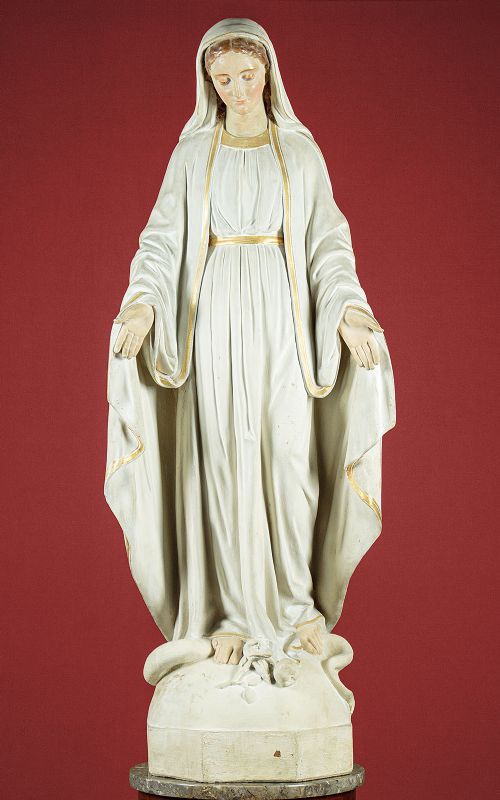
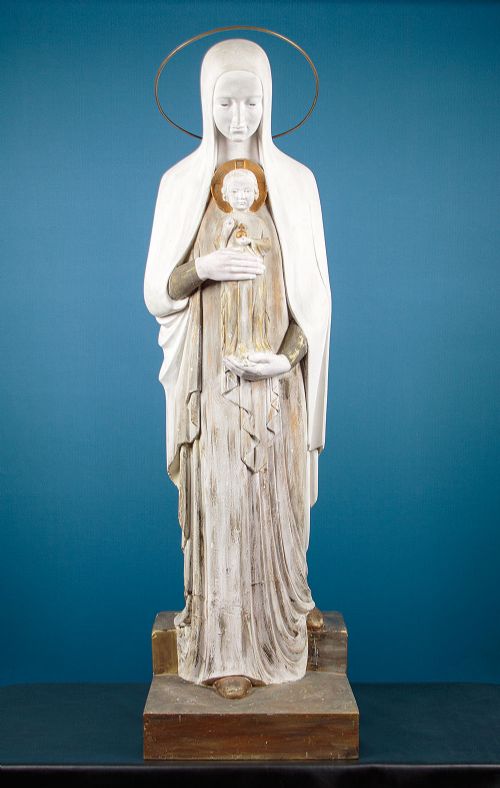
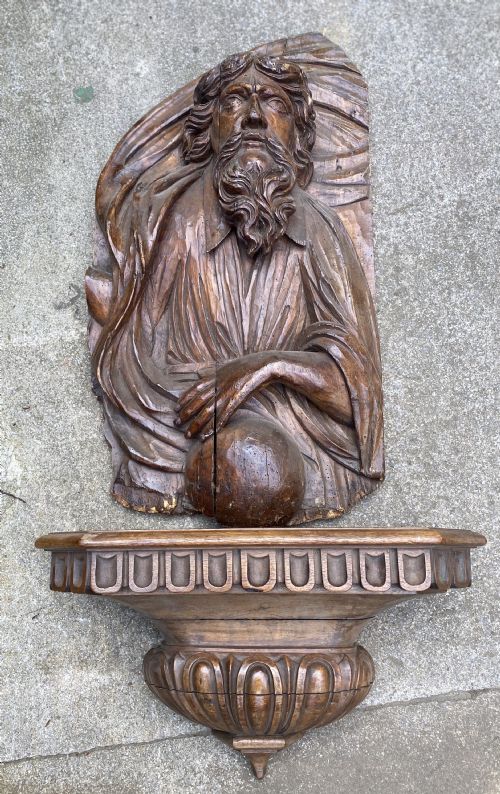
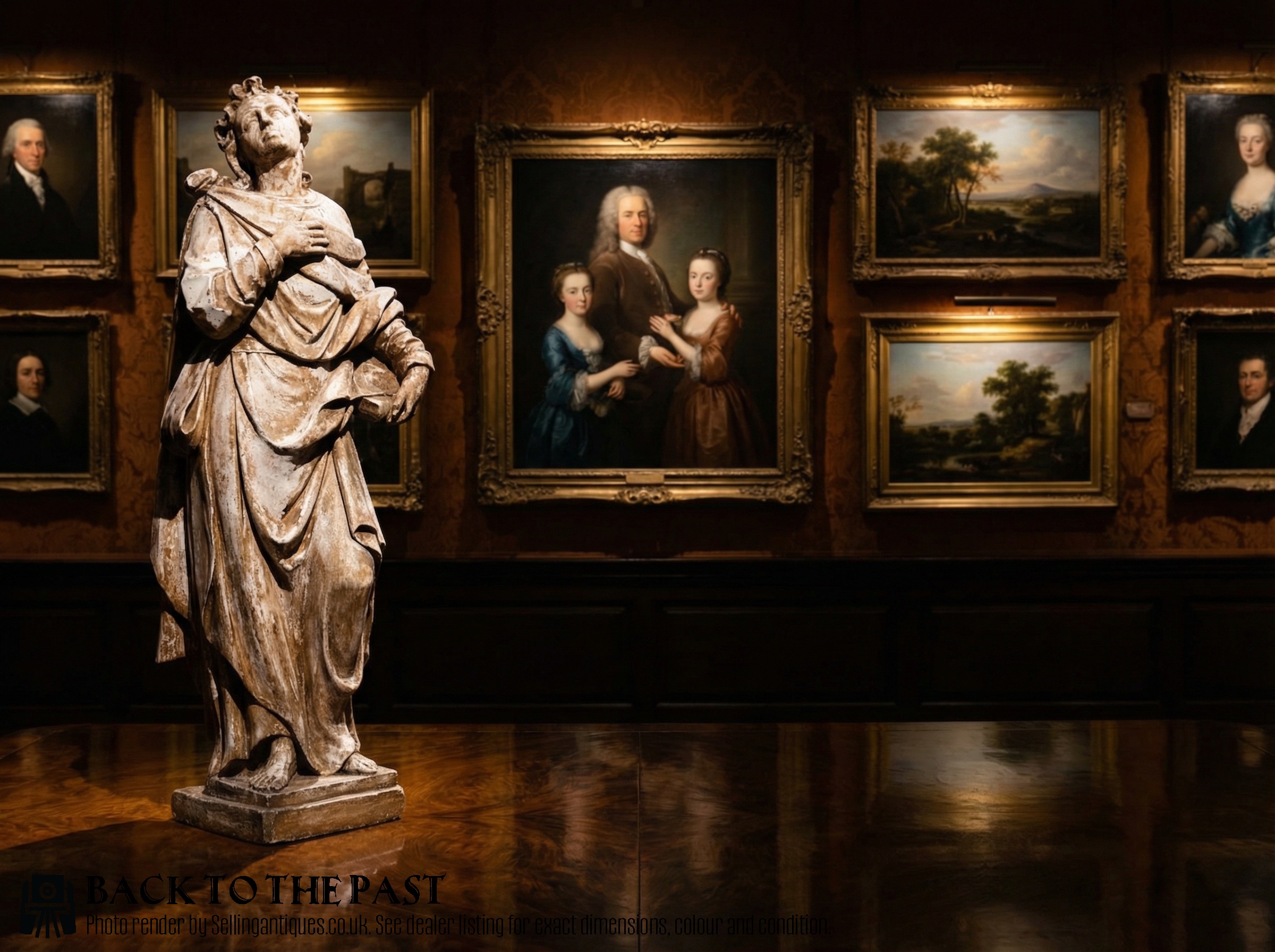
Large church sculpture encompasses substantial religious statues, wall sculptures, and figures carved from wood or cast in plaster for ecclesiastical settings. When searching for large church sculpture, buyers encounter works ranging from sixteenth-century Continental limewood pieces to eighteenth-century Continental oak figures and nineteenth-century giltwood depictions of the Virgin Mary.
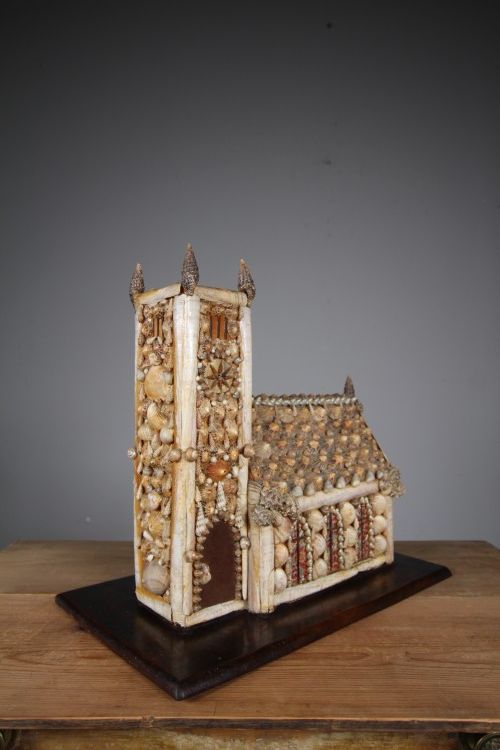
Subjects commonly include saints such as St. John the Baptist, St. Roche, and St. Nepomuk, alongside representations of Mary and the Infant Christ. Materials extend beyond standard timber to encompass terracotta, polychrome paint, and detailed shell work.
How they were made
Makers shaped these pieces primarily from solid timbers such as oak, walnut, limewood, and carved wood, employing traditional chisels and gouges to achieve life-size proportions. Craftsmen then applied surface treatments like gesso, gold leaf, and polychrome paint to enhance visual depth and impart rich coloration.
Alternative compositions utilised moulded plaster and terracotta, allowing workshops to produce ecclesiastical figures with consistent structural form. Finishing techniques relied on hand-applied pigments and gilding to create the ornate surfaces characteristic of Baroque and Renaissance devotional art.
Listings span multiple centuries, incorporating sixteenth-century limewood, seventeenth-century walnut, eighteenth-century oak, and twentieth-century plaster and terracotta figures.
What varies in quality
The integrity of the underlying wood or plaster substrate dictates longevity, with untouched early surfaces commanding greater appreciation among collectors than heavily restored examples.
The Large Church Sculpture Glossary
- Polychrome
- Decoration in several colours applied to the surface of wood, plaster, or stone sculpture. This technique was widely utilised in religious statuary to bring realism to the faces and garments of saints.
- Gesso
- A plaster-like mixture applied as a smooth base for paint and gold leaf on wooden sculptures. It provides a crisp surface for intricate detail work.
- Giltwood
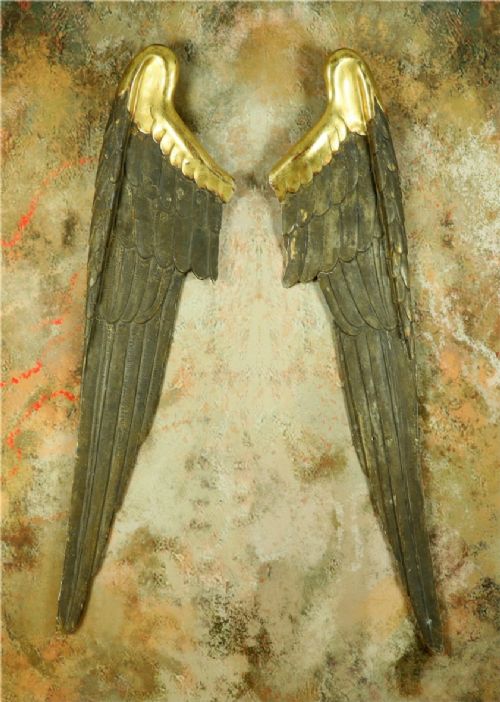
- Timber that has been coated with a thin layer of gold leaf. It is frequently seen on ecclesiastical figures and architectural wings from the eighteenth and nineteenth centuries.
- Limewood
- A fine-grained, pale wood favored by European carvers for its lack of prominent grain and ease of intricate shaping. Sixteenth-century Continental workshops employed it for high-relief religious figures.
- Ecclesiastical
- Relating to the Christian Church or its clergy. This term describes items originally commissioned for worship spaces rather than domestic interiors.
Large Church Sculpture: Frequently Asked Questions
How do I hang a large wall sculpture?
Substantial wall sculptures require secure anchor points driven directly into structural studs or masonry rather than standard drywall anchors. Weight distribution must be calculated carefully before mounting heavy wooden or plaster reliefs.
Professional installation ensures the piece remains stable and safe over time, protecting both the antique and the surrounding wall.
Are these figures suitable for outdoor display?
These sculptures were created for sheltered interior environments and lack weather-resistant sealants. Moisture, frost, and direct sunlight will rapidly degrade historic wood, gesso, and polychrome paint.
Keeping them indoors preserves the original finishes and prevents structural warping of the timber or plaster.
How should I clean a historic wood figure?
Dusting should be performed gently with a dry, soft-bristled brush to avoid disturbing fragile surface pigments or gold leaf. Water and chemical cleaning agents must be avoided entirely as they strip historic finishes.
Consulting a professional conservator is recommended if deeper cleaning or structural stabilization becomes necessary.
How can I tell a Baroque piece from a Gothic one?
Baroque sculptures typically feature dynamic, swirling drapery and dramatic emotional expressions that convey movement. Gothic works tend toward more linear forms, upright postures, and restrained facial expressions.
Examining the treatment of clothing folds and overall stance often reveals the prevailing artistic style of the period.