
Large Canvas Painting
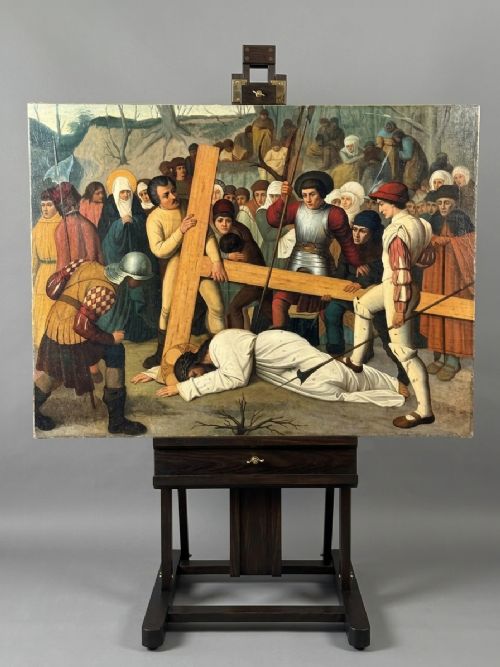
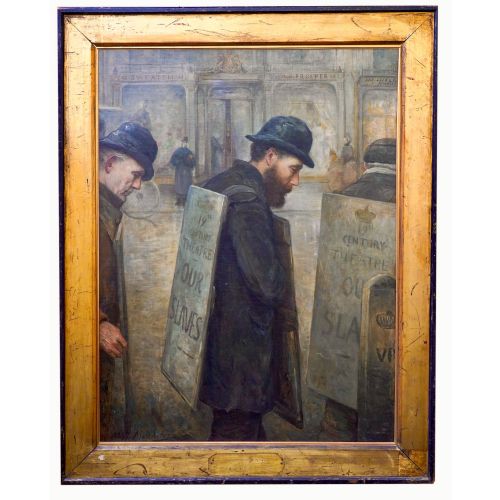
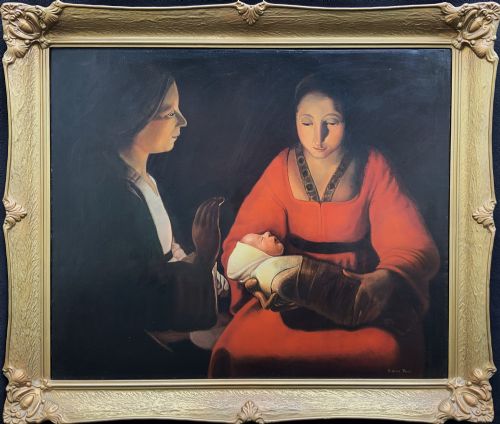
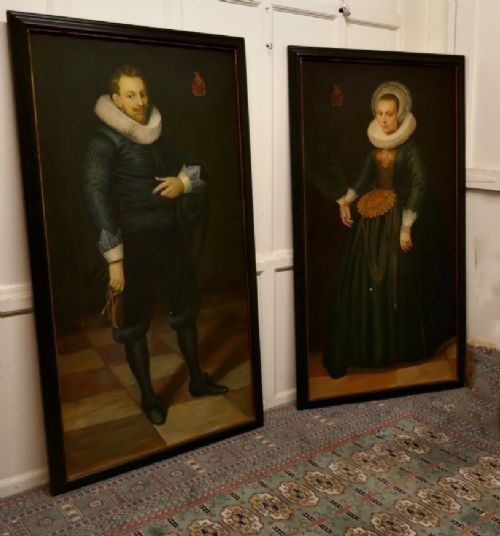
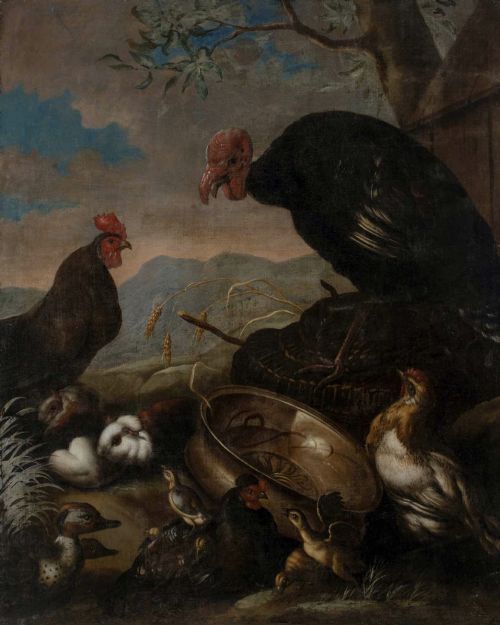
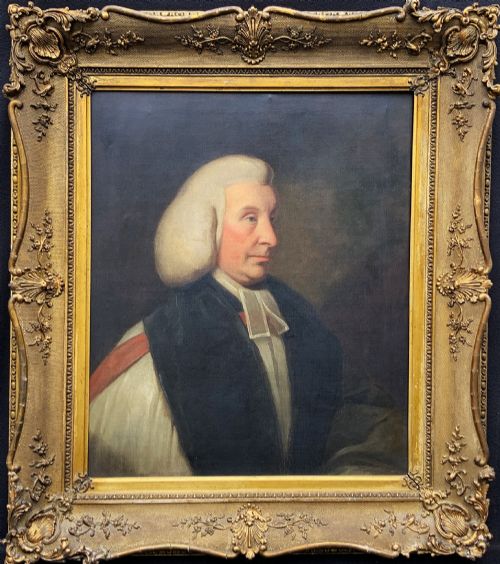
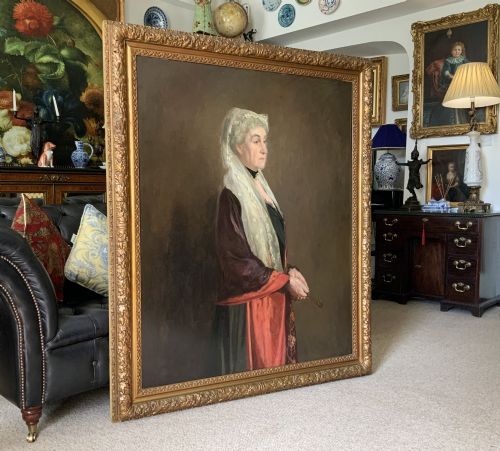
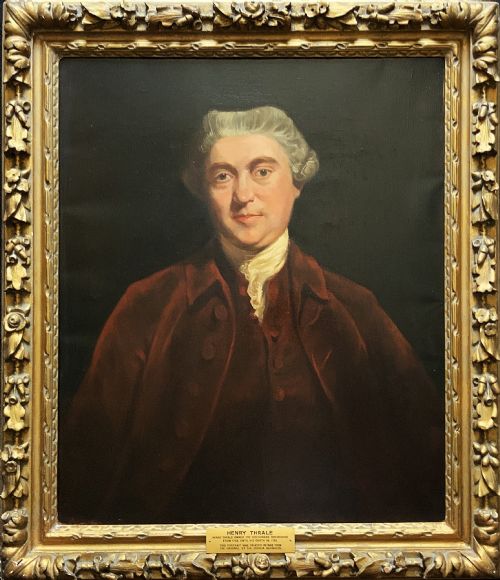
A large canvas painting commands presence in a room, offering striking historical portraits, landscapes, and still lifes from centuries of artistic tradition.
Large Canvas Painting
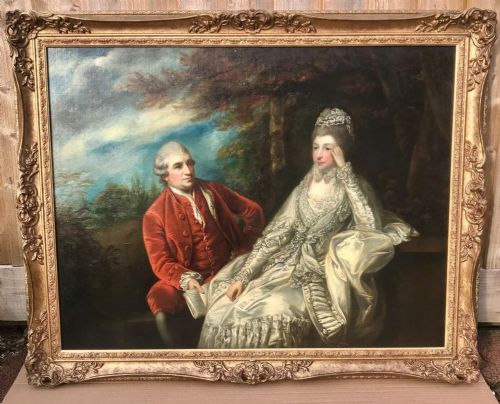
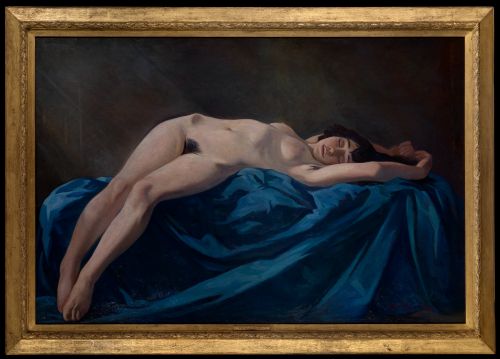
A large canvas painting brings substantial scale and historic character to interiors, spanning subjects from 18th-century portraits to 20th-century impressionist scenes. Buyers looking for large canvas painting formats will find works originating from British, Dutch, Italian, and French schools.
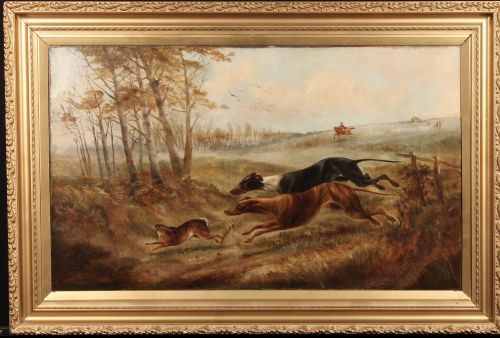
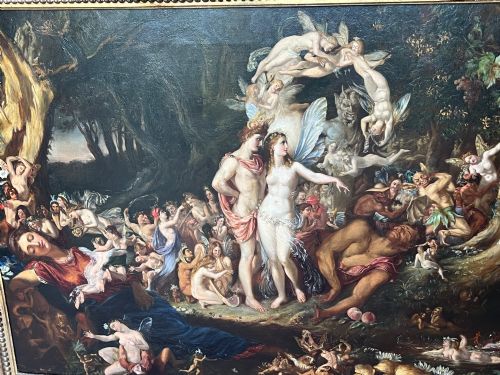
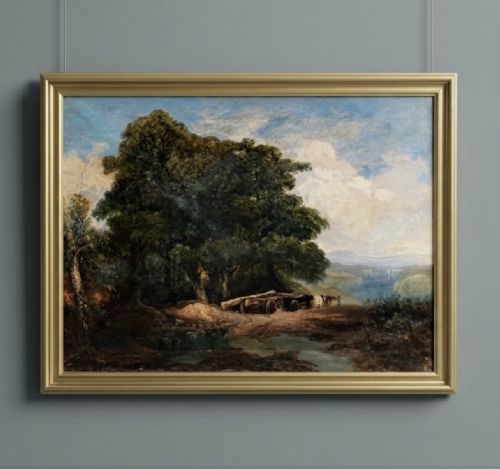
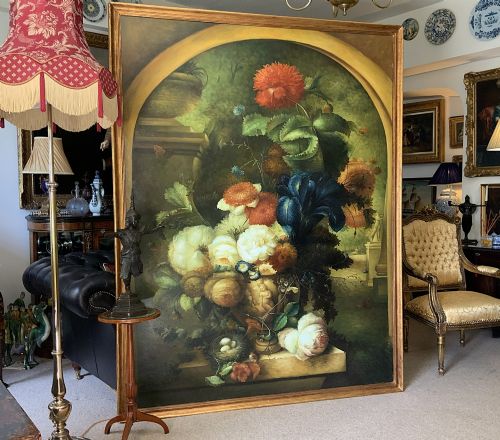
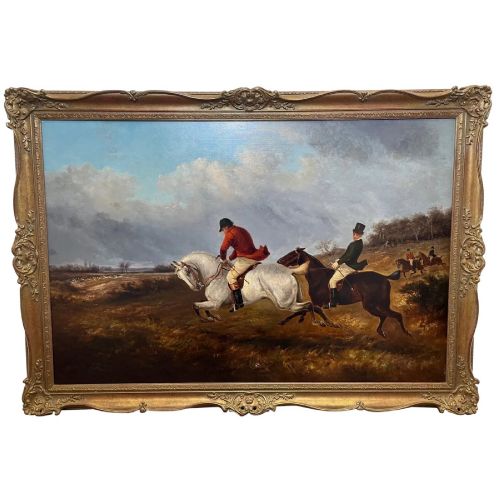
The selections on this page range widely in period and subject, incorporating Victorian animal studies, floral still lifes, mythological narratives, and expansive landscape views. Many pieces arrive housed in period frames of gilt wood and gesso.
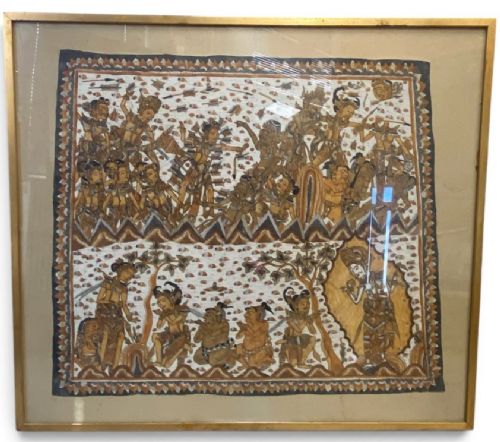
Alongside traditional stretchers and frames, the inventory includes folding canvas screens and textile supports such as Balinese Kamasan works. These items function as focal wall art or architectural room dividers.
How They Were Made
Artists built these works utilising oil paint applied to woven canvas supports, sometimes stretching the material over wooden frames or mounting it onto boards and vinyl. The preparation involved sizing the fabric and applying gesso grounds before laying down pigment.
What Varies in Quality
The caliber of a large canvas painting depends upon the dexterity of the brushwork and the articulation of light and shadow across the composition. Masterful handling of anatomy, perspective, and atmosphere distinguishes exceptional academic or impressionist works from standard decorative pieces.
Condition and originality play significant roles in evaluation, including the stability of the original canvas, the preservation of the paint layer, and the authenticity of the accompanying period frame. Works with documented provenance and exhibited histories command particular attention from collectors.
Richard Sebastian Bond·Felix Stone Moscheles·Cornelis Van Der Voort·Angelo Maria Crivelli·Sir Joshua Reynolds·Thomas Smythe·W.R. Waters·Konstantin Stoitzner·John Opie·Harold Knight·Erich Mercker·Robert Cleminson·William Mellor·Robert Gallon·John Holland Senior·Charles H. Passey
The Large Canvas Painting Glossary
- Canvas
- A heavy woven fabric, typically of linen or cotton, used as a support for painting. It is stretched tightly over a wooden frame before pigment is applied.
- Gesso
- A traditional paint mixture consisting of a neutral binder mixed with chalk, gypsum, or pigment. It was applied to wood or canvas to prepare a smooth surface for oil painting.
- Giltwood
- Wood that has been coated with a thin layer of gold leaf or gold paint. This technique was widely utilised for decorative antique picture frames.
- Still Life
- A painting genre focused primarily on inanimate subject matter, such as fruit, game, flowers, or household objects. These compositions highlight the artist's ability to render texture and light.
- Provenance
- The chronological history of the ownership of a work of art. Documented records help establish authenticity and past exhibitions.
Large Canvas Painting: Frequently Asked Questions
How do I hang a large painting safely?
Hanging a heavy framed artwork requires locating wall studs or utilising appropriate masonry anchors rated for substantial weight. Professional art installation services are often recommended for monumental pieces to ensure structural security.
Hardware should be inspected to confirm that both the wire and the wall fixings can properly support the distributed load over time.
Where should I display a large canvas painting?
These commanding works suit principal reception rooms, hallways, or dining spaces with high ceilings and adequate wall space. Placing them away from direct sunlight and excessive humidity protects the integrity of the canvas and paint.
Proper lighting can enhance the visual depth and detail of historical oil paintings within a domestic interior.
How do I identify the age of an oil painting?
Dating a canvas involves examining the weave of the fabric, the composition of the stretcher bars, and the type of pigments used. Stylistic cues and framing techniques also offer reliable indicators of period origin.
Signatures, inscriptions, and exhibition labels on the reverse provide further historical documentation for attribution.
What is the difference between an oil painting and a print?
An original oil painting consists of physical layers of pigmented paste applied by hand with brushes or knives, creating visible texture and depth. Prints rely on ink transfer processes that lack the dimensional brushwork of direct application.
Examining the surface under magnification reveals the distinct interplay of brushstrokes unique to hand-painted works.