

Large Canvas Artwork
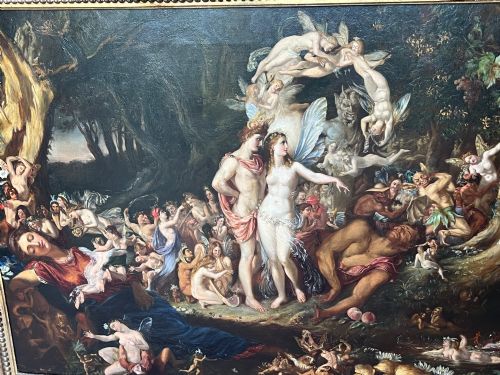
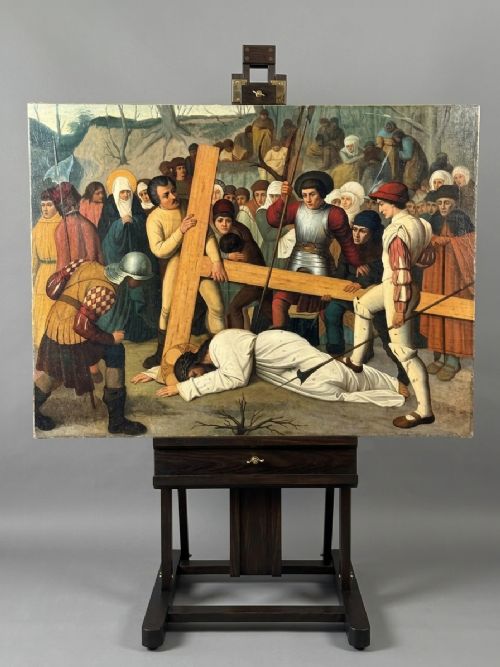
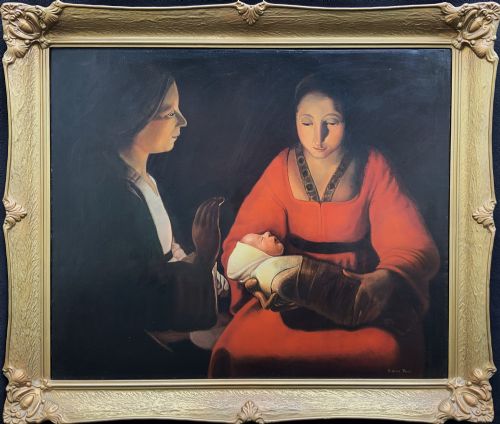
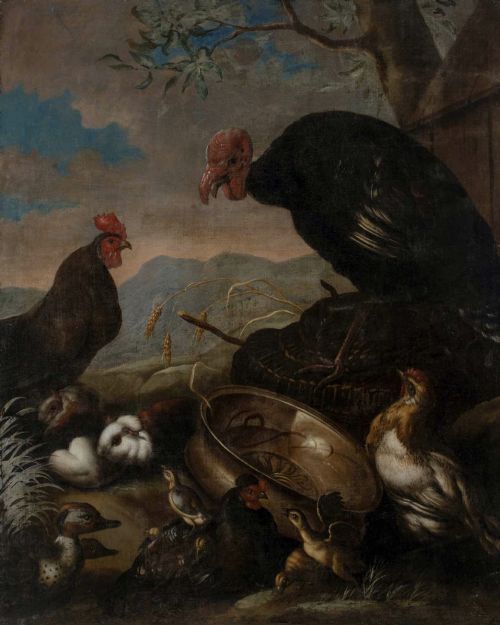
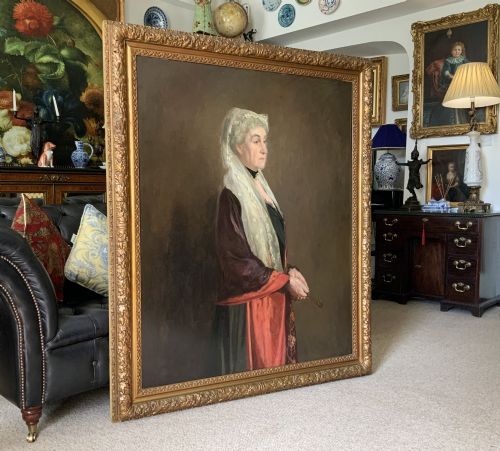
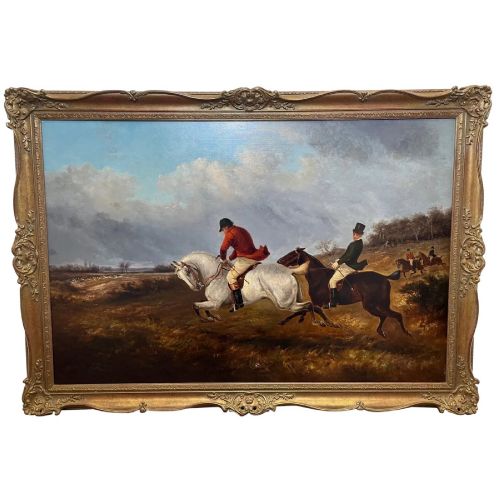
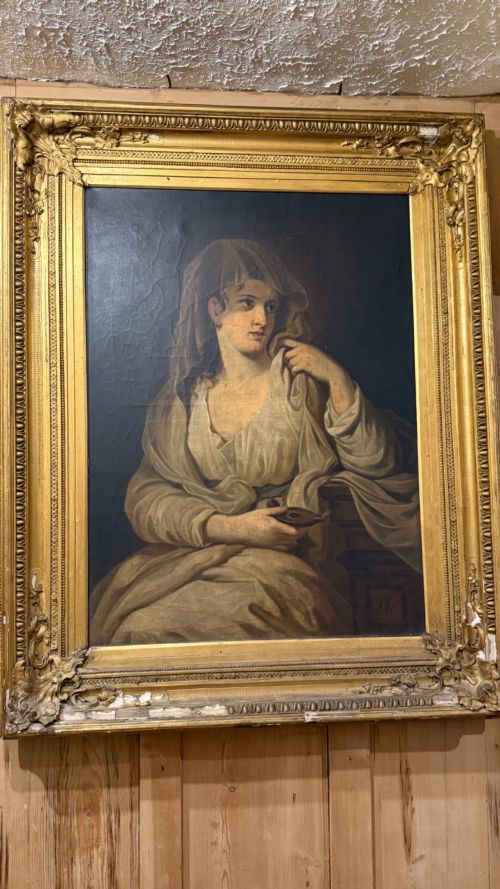
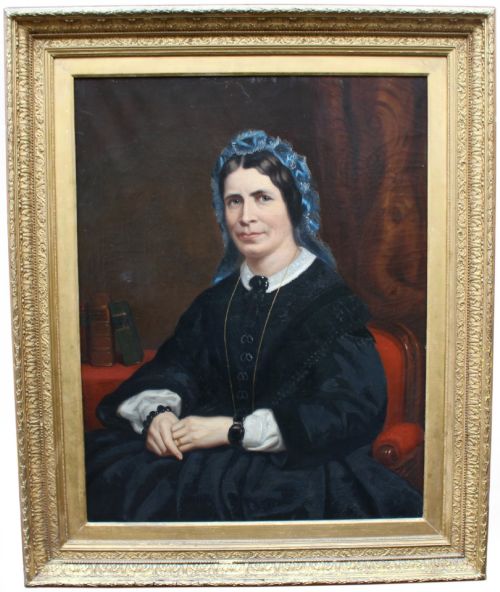
When you search for large canvas artwork, you are looking at substantial oil paintings on canvas framed in wood and gilt wood.
Large Canvas Artwork
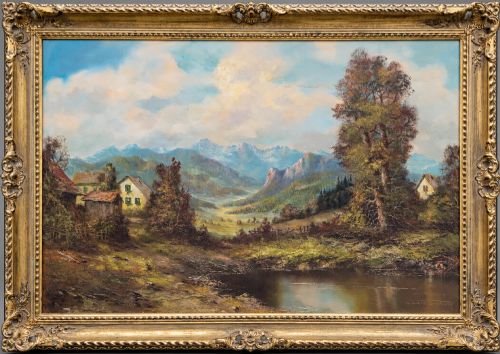
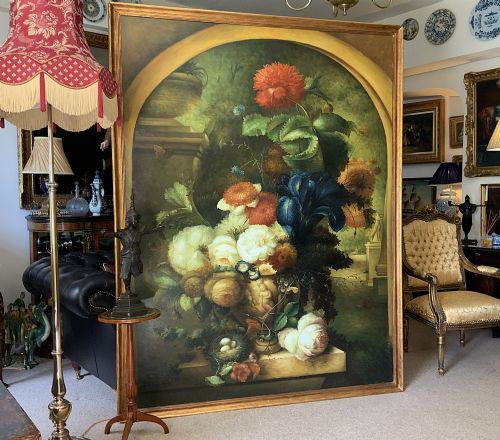
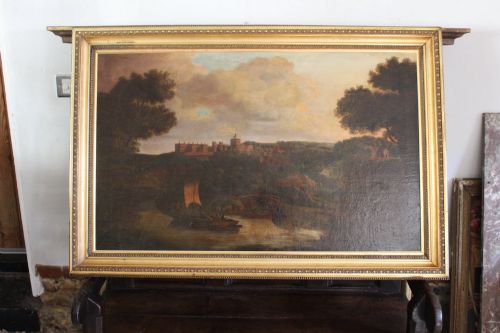
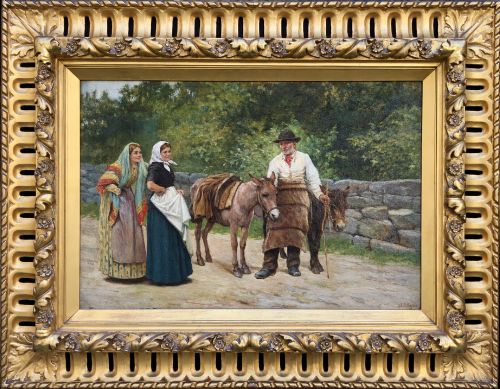
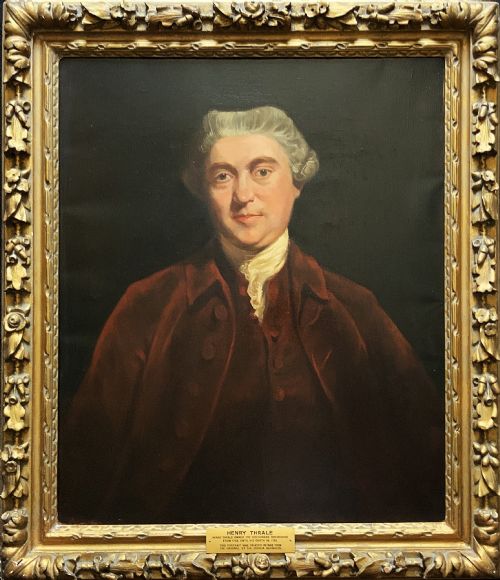
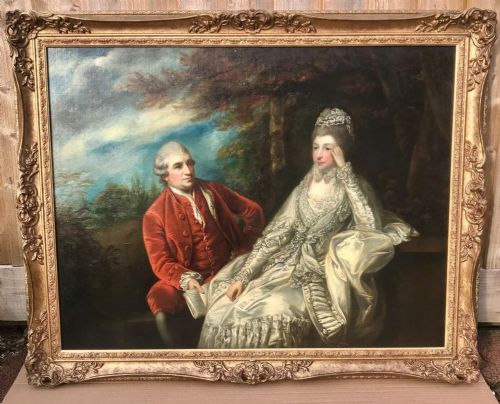
When searching for large canvas artwork, buyers encounter expansive oil paintings spanning the eighteenth, nineteenth and twentieth centuries. These works include romantic landscapes, historical portraits, floral still lifes and maritime scenes from various European and British schools.
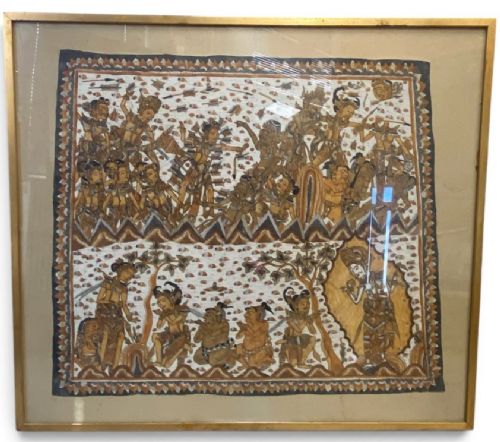
Many pieces reflect distinct stylistic movements such as Victorian social history, Edwardian portraiture, Gothic Revival and Mid-Century Impressionism. Alongside European works, selections feature traditional textiles such as Balinese Kamasan paintings depicting warriors and deities.
The physical scale of these works ranges from monumental stately home portraits to expansive cityscapes and coastal views. Framed formats frequently incorporate period giltwood surrounds that complement the oil paint surfaces.
How they were made
These works are executed primarily in oil paint applied to woven canvas stretched over wooden frames or supports. The physical body of the paint creates varied surface textures, from smooth academic glazing to thick impressionist impasto.
Many canvases are housed within elaborate wooden frames finished in gilt, giltwood, or carved polychrome details. The interaction between the heavy oil pigments and the substantial timber framing defines the structural construction of these pieces.
Several canvases are large enough to recreate an entire indoor forest of galloping horses, crashing waves and sprawling floral bouquets without leaving your armchair.
What varies in quality
Quality in large canvas artwork rests on the handling of light, anatomical proportion and compositional balance within the painted scene. Superior execution displays confident brushwork and depth, whereas lesser examples rely on formulaic repetition.
The integrity of the original canvas and the preservation of the oil paint layers influence the overall standard. Finer pieces retain their original tension and surface saturation without excessive overpaint or structural disruption.
Richard Sebastian Bond·Felix Stone Moscheles·Georges de La Tour·Angelo Maria Crivelli·Sir Joshua Reynolds·Thomas Smythe·W.R. Waters·Konstantin Stoitzner·John Opie·James Hamilton·Rene Levrel·Harold Knight·Erich Mercker·Robert Cleminson·Godfried Schalcken·Hubert Haider
The Large Canvas Artwork Glossary
- Oil on canvas
- A painting technique utilising pigments suspended in drying oils applied directly to a woven fabric support. This method allowed artists to achieve deep tonal variation and rich surface textures.
- Giltwood
- Wood that has been thinly coated with gold leaf or gold paint for decorative effect. It frequently appears on the elaborate frames enclosing historical paintings.
- Impasto
- Paint applied in thick layers that stand out visibly from the canvas surface. This technique imparts tangible physical dimension and texture to the artwork.
- Still life
- A work depicting inanimate subject matter, typically commonplace objects such as flowers, game or fruit. These compositions emphasise arrangements of form, light and colour.
- Provenance
- The chronological documentation showing the origin, history and previous ownership of an artwork. Clear records help establish the authenticity and background of a piece.
Large Canvas Artwork: Frequently Asked Questions
Where should I hang large canvas artwork?
These expansive pieces require substantial wall space with stable ambient conditions away from direct heat and moisture.
Placing them in principal rooms or hallways allows the scale of the canvas and the decorative frame to anchor the interior architecture.
How do I care for antique oil paintings?
Maintenance involves keeping the canvas free from dust using a soft, dry brush and avoiding exposure to direct sunlight.
Professional conservation should be consulted for cleaning the paint surface or stabilising the tension of the fabric support over time.
How do I identify the period of a painting?
Dating relies on examining the stretcher frames, canvas weave, costume details of figures and the specific handling of the oil medium.
Comparative study of recorded artists and stylistic movements from the eighteenth through the twentieth centuries also clarifies the era of creation.
Are original frames important for these artworks?
Period frames contribute significantly to the historical context and visual completeness of large canvas works.
Matching the style of the gilt wood or carved timber surround to the era of the painting enhances both the presentation and the character of the piece.