

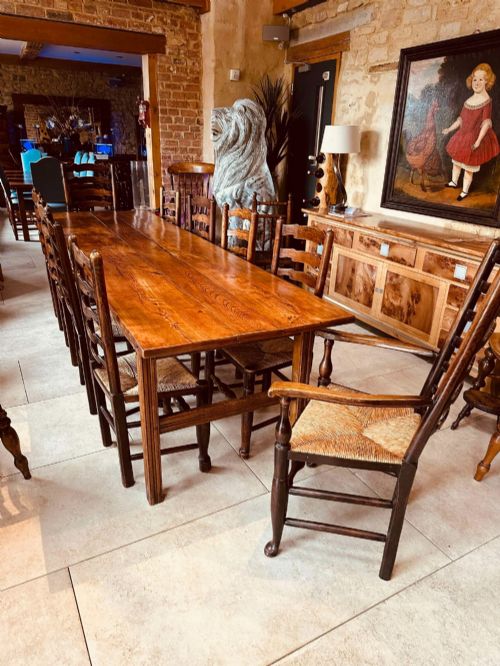
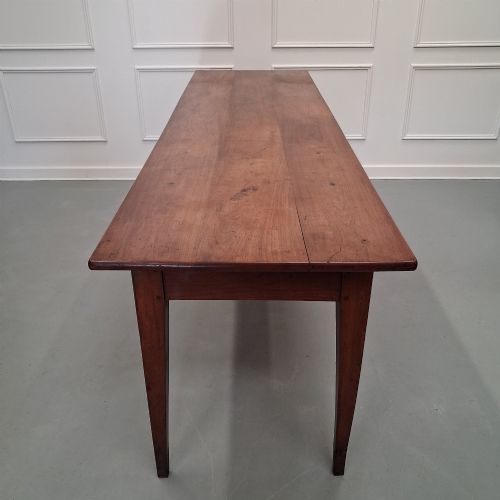
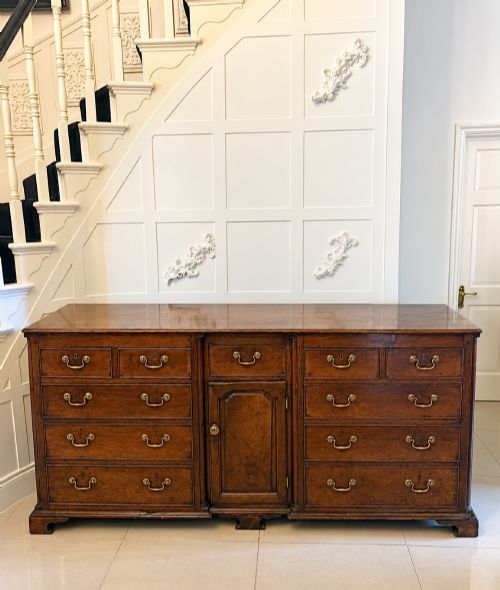
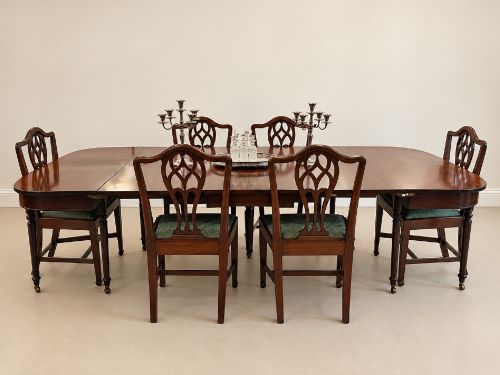
Large Brown Wooden Table
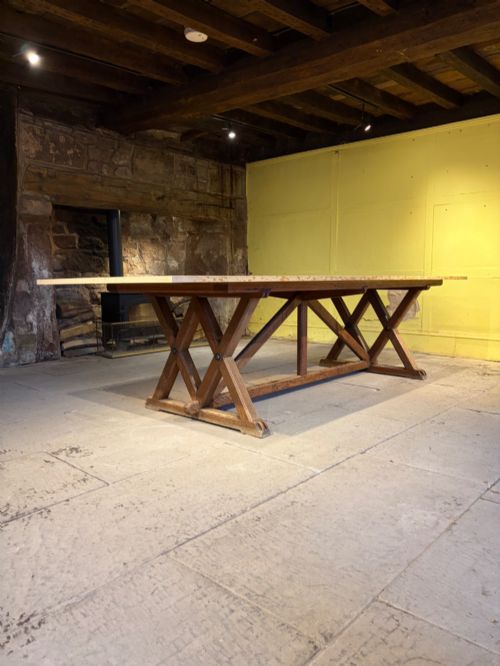
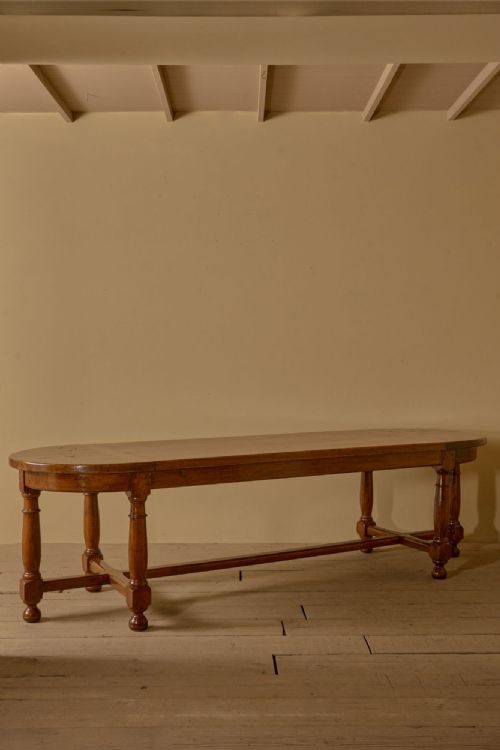
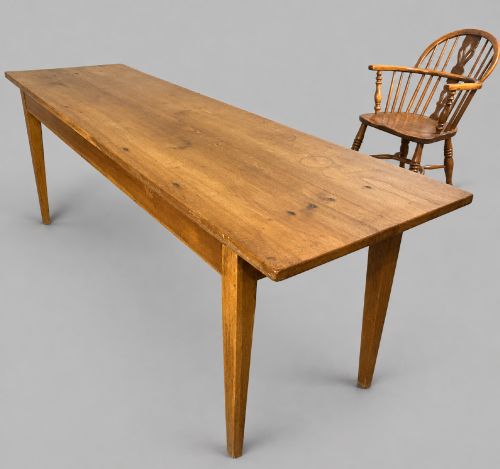
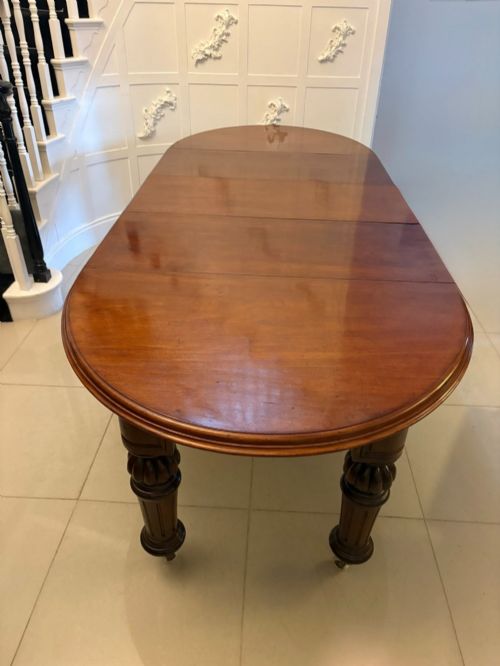
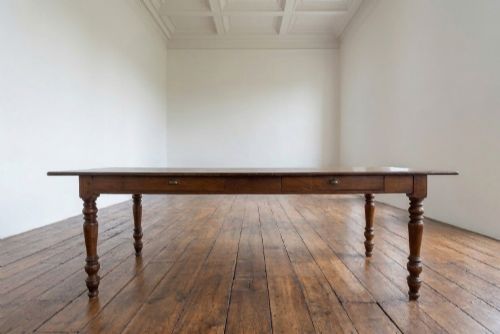
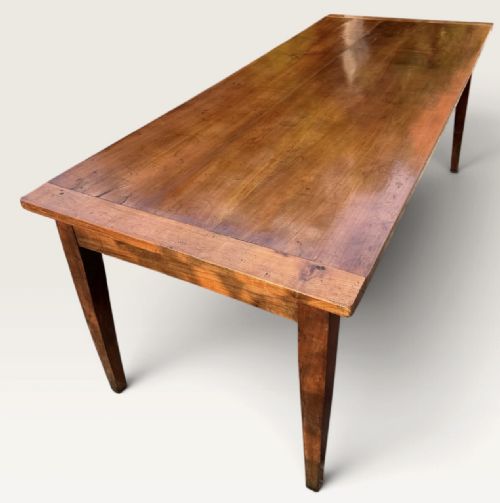
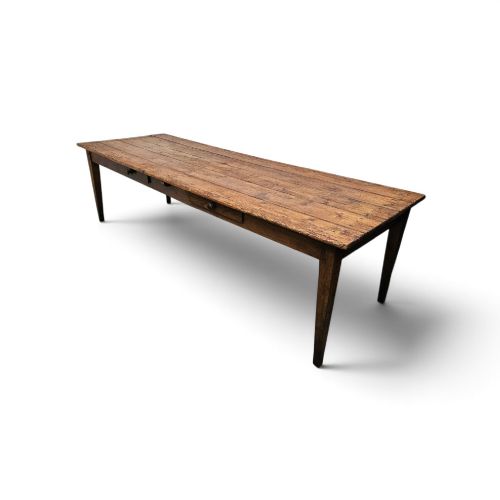
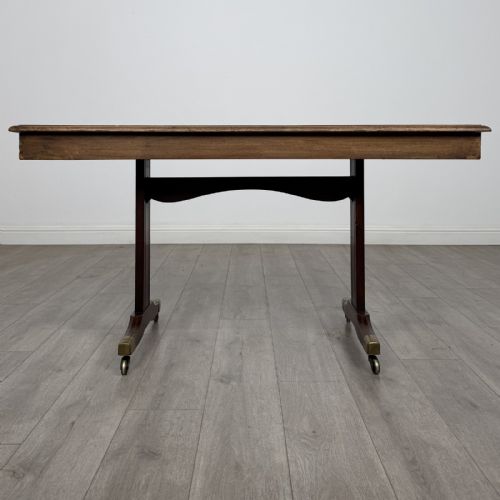
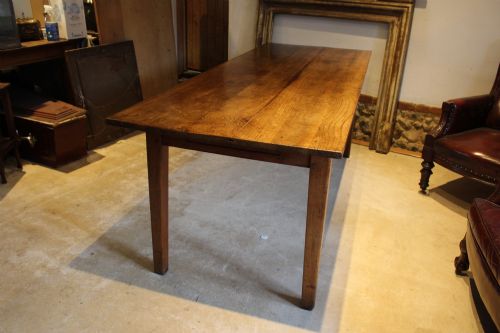
A large brown wooden table anchors a room with presence, offering generous timber surfaces built for gathering, dining, and daily household work.
Large Brown Wooden Table
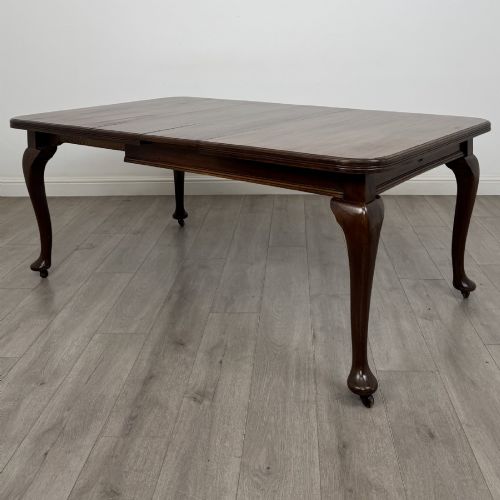
A large brown wooden table spans sturdy refectory formats, extending dining designs, and broad kitchen boards intended for communal seating. These brown timber pieces appear frequently in robust oak, warm mahogany, and rustic fruitwood across the eighteenth and nineteenth centuries.
Buyers seeking a large brown wooden table encounter regional farmhouse designs alongside formal pillar-and-scroll pedestals built during the Georgian and Victorian eras. Oak and mahogany dominate the selection, bringing heavy grain and deep polished tones to large dining halls and family kitchens.
Materials and construction
Cabinetmakers and joiners built these heavy tables from solid hardwoods including oak, mahogany, walnut, and chestnut, utilising thick planks for top boards and sturdy stretchers for base support. Turned legs, carved pedestal pillars, and extending mechanisms allow large dining surfaces to expand smoothly while maintaining structural integrity.
Surfaces receive traditional wax or polish finishes that accentuate the natural figures of burr walnut, figured mahogany, and plain oak. Joinery relies on pegged mortise and tenon joints in refectory and farmhouse formats, ensuring long-term durability under heavy daily use.
Large Brown Wooden Table Retail Price Guide 2026
Typical asking prices for large brown wooden table among the pieces listed under this phrase on Sellingantiques today, from the lower quarter to the upper quarter. They describe what is for sale here now, not the wider market.
Listings feature eighteenth and nineteenth-century oak, mahogany, and walnut tables alongside regional fruitwood and elm farmhouse boards.
Evaluating the work
Quality rests on the selection of timber, the weight of the primary planks, and the integrity of the extending mechanism or underframe. Finely figured mahogany, burr walnut, and thick single-piece oak boards separate superior examples from simpler utilitarian boards.
Proportion and carving detail distinguish standard regional pieces from grander dining tables made for formal houses. Crisp joinery, well-matched leaves, and original underframes command greater appreciation among collectors.
The Large Brown Wooden Table Glossary
- Refectory table
- A long, narrow dining table traditionally used in monasteries and large halls, characterised by substantial legs connected by a low stretcher rail.
- Extending table
- A dining table designed with a central mechanism to accommodate removable leaves, allowing the surface length to increase for larger gatherings.
- Figured mahogany
- Mahogany timber exhibiting attractive, rippled grain patterns such as flame or fiddleback, prized for high-end cabinet work.
- Mortise and tenon
- A traditional woodworking joint where a projecting tongue fits snugly into a corresponding cavity, locking structural timbers securely together.
Large Brown Wooden Table: Frequently Asked Questions
How do I seat twelve people?
Look for extending tables with multiple original leaves or long refectory formats measuring over nine feet in length. These formats provide adequate legroom and surface area to accommodate large gatherings comfortably.
Ensure the table base configuration, such as pedestal pillars or inset legs, does not obstruct chairs placed along the sides and ends.
Which wood is most durable?
Oak and mahogany offer exceptional hardness and longevity, making them ideal choices for heavy daily dining use. Both timbers resist denting and age gracefully with regular wax maintenance.
Fruitwoods and softer pines provide charm but require greater care to avoid surface marks from moisture and heat.
How do I maintain the polish?
Apply natural beeswax periodically to nourish the hardwood and maintain a soft, protective sheen across the surface. Avoid chemical sprays and keep timber away from direct heat sources to prevent splitting.
Use coasters and placemats during daily meals to protect antique finishes from moisture rings and thermal shock.
How do I date an old table?
Examine the timber grain, tool marks on the underside, and the construction methods used in the frame and joints. Hand-cut joinery and period-specific leg styles like Regency pillars or Georgian cabriole shapes offer clear chronological clues.
Inspect extending mechanisms, as nineteenth-century screw-action and runner systems differ significantly from modern metal runners.